Story Summary
Discover the genius of Themistocles and the Persian Wars. Learn how his naval strategy and the Battle of Salamis saved Greece from the mighty Persian Empire.
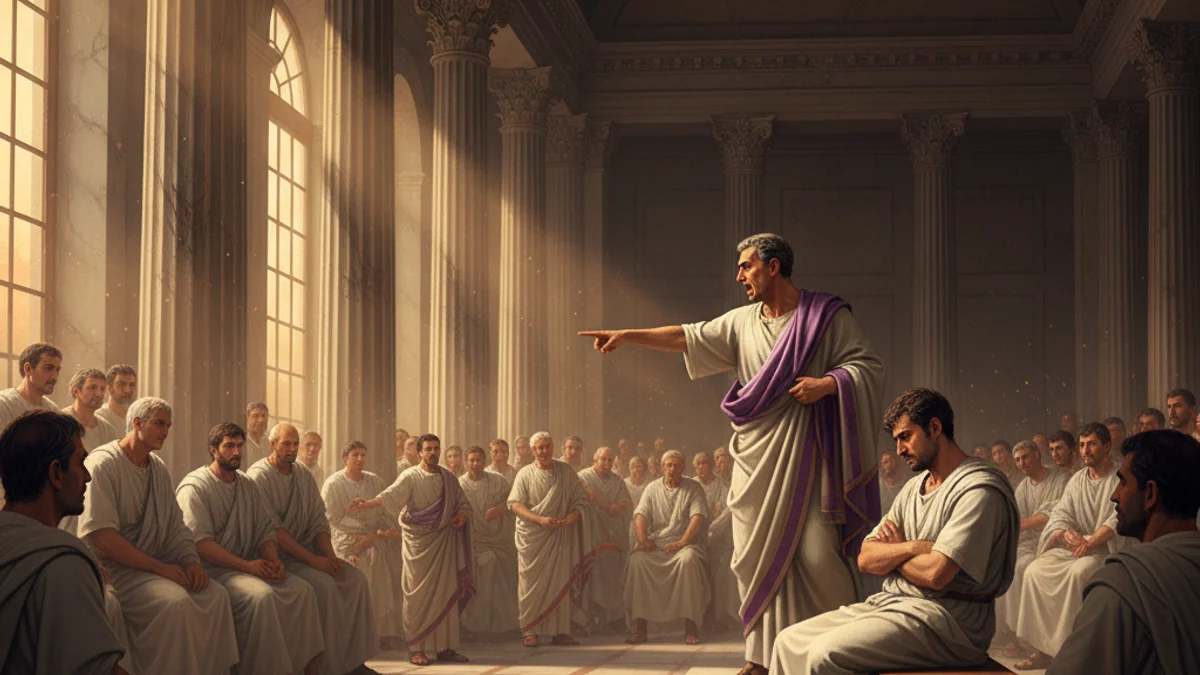
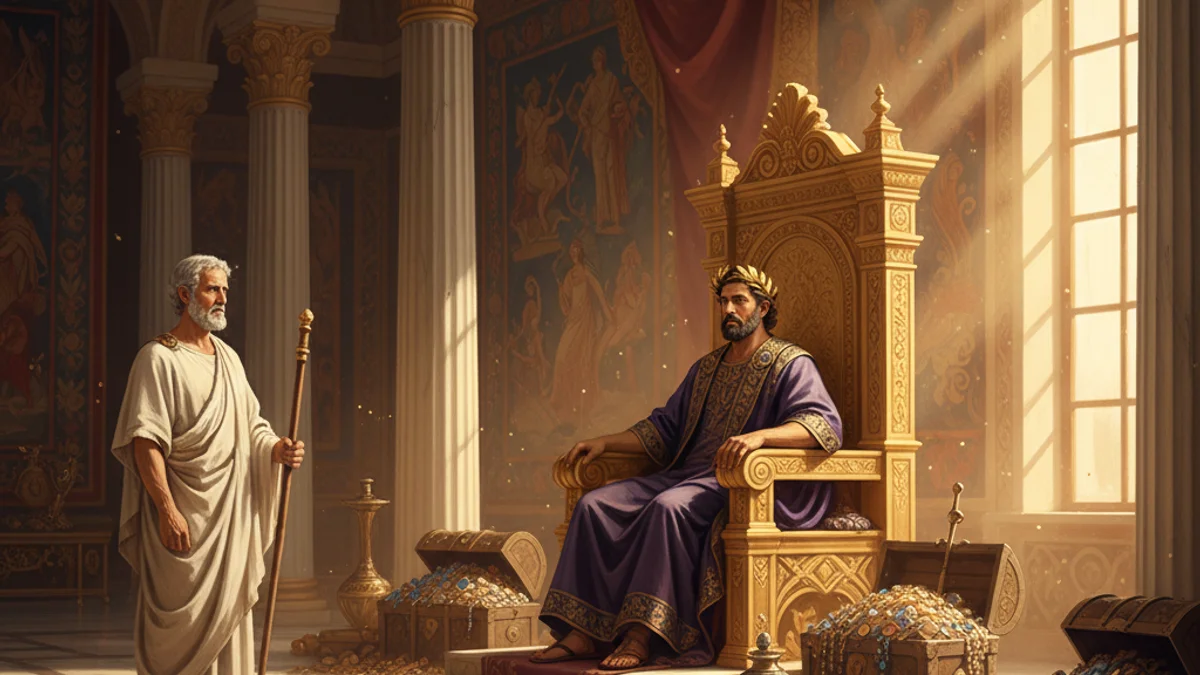
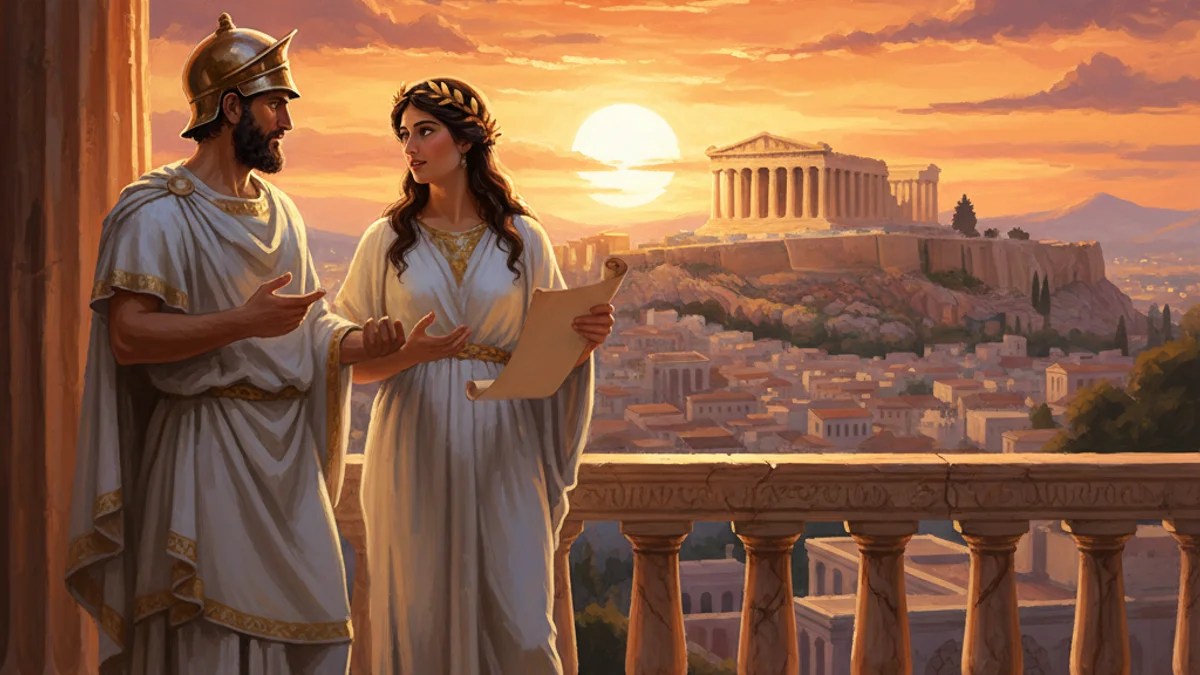
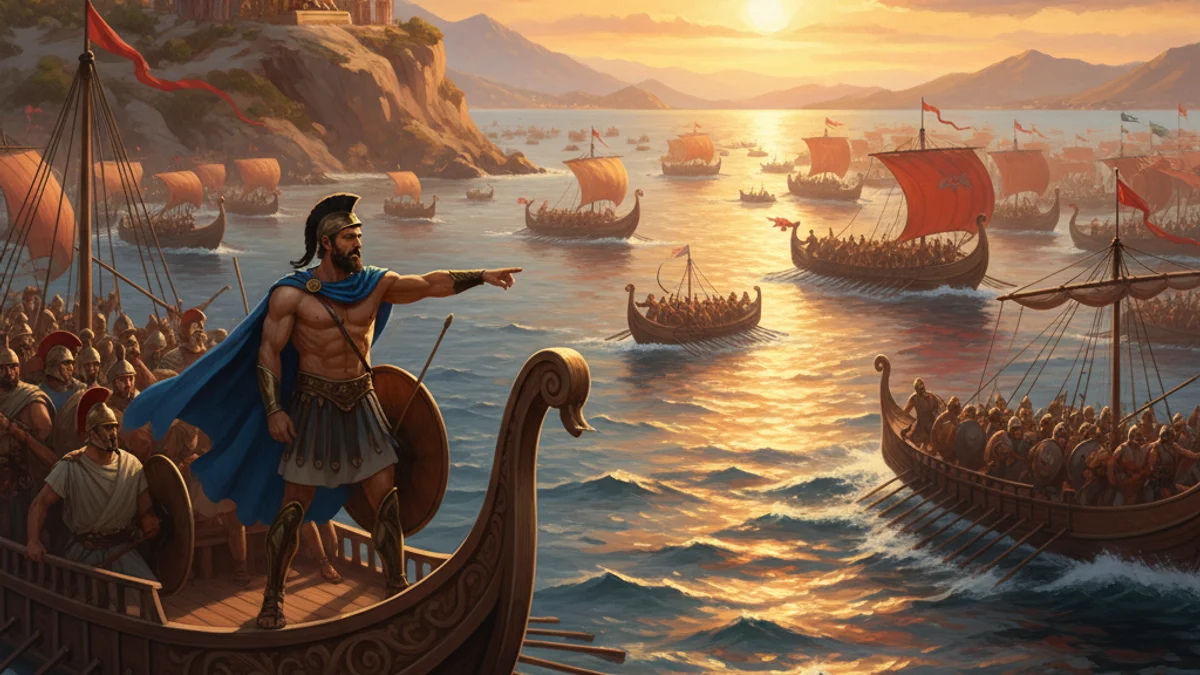
When the Persian shadow loomed over Greece, most Athenians looked to their land-based hoplites for defense. But Themistocles, a visionary statesman, saw that the future of Athens lay on the water. When a rich vein of silver was discovered in the state mines of Laurium, he made a bold move. Instead of distributing the wealth among the citizens, he persuaded them to build a massive fleet of 200 triremes. As Xerxes the Great descended with an unstoppable army, the Delphic Oracle spoke of 'wooden walls' as the city's only safety. While many argued for wooden fences, Themistocles insisted the wooden walls were his ships. At the Battle of Salamis, he used a brilliant ruse, sending a messenger to trick Xerxes into thinking the Greeks were fleeing. The massive Persian fleet sailed into the narrow straits, where their numbers became a liability. The agile Athenian ships crushed the invaders, securing a victory that changed the course of Western history through pure strategic wit.
The Moral
Victory is not won by numbers alone, but by the power of strategic foresight and the courage to act on one's convictions.
“He who commands the sea has command of everything.”
Fun Fact
The silver used to build the Athenian fleet was discovered just in time; Themistocles had to convince the citizens to give up a 10-drachma payout per person to fund the ships instead.
Frequently Asked Questions
What is the moral of Themistocles and the Persian Wars?
The moral is that intelligence, preparation, and strategic thinking are more effective than brute force. It teaches us that foresight allows a smaller group to overcome a much larger adversary.
Who was Themistocles in Greek history?
Themistocles was a populist Athenian politician and general who rose to power through his oratorical skills and military genius. He is credited as the father of Athenian naval power.
What did the Oracle mean by 'wooden walls'?
While some thought it meant the physical walls of the Acropolis, Themistocles correctly argued that it referred to the wooden hulls of the Athenian navy. This interpretation saved Athens from destruction.
How did Themistocles trick King Xerxes?
He sent a trusted slave to the Persian camp with a secret message claiming the Greeks were terrified and intended to flee under the cover of night. This lured the Persians into the narrow straits of Salamis.
Why was the Battle of Salamis so significant?
It was the decisive naval battle that crippled the Persian invasion of Greece. Without their fleet to provide supplies, the Persian army was forced to retreat, preserving Greek culture and democracy.
What happened to Themistocles after the war?
Despite his heroics, he was eventually ostracized from Athens by his political rivals. Ironically, he spent his final years as a governor in Asia Minor under the protection of the Persian King Artaxerxes.
Discussion (0)
Share your thoughts on this story
No comments yet. Be the first to share your thoughts!