Story Summary
In Regulus Returns to Carthage, a Roman general chooses certain death over breaking his oath, embodying the supreme Roman virtue of honor and self-sacrifice.
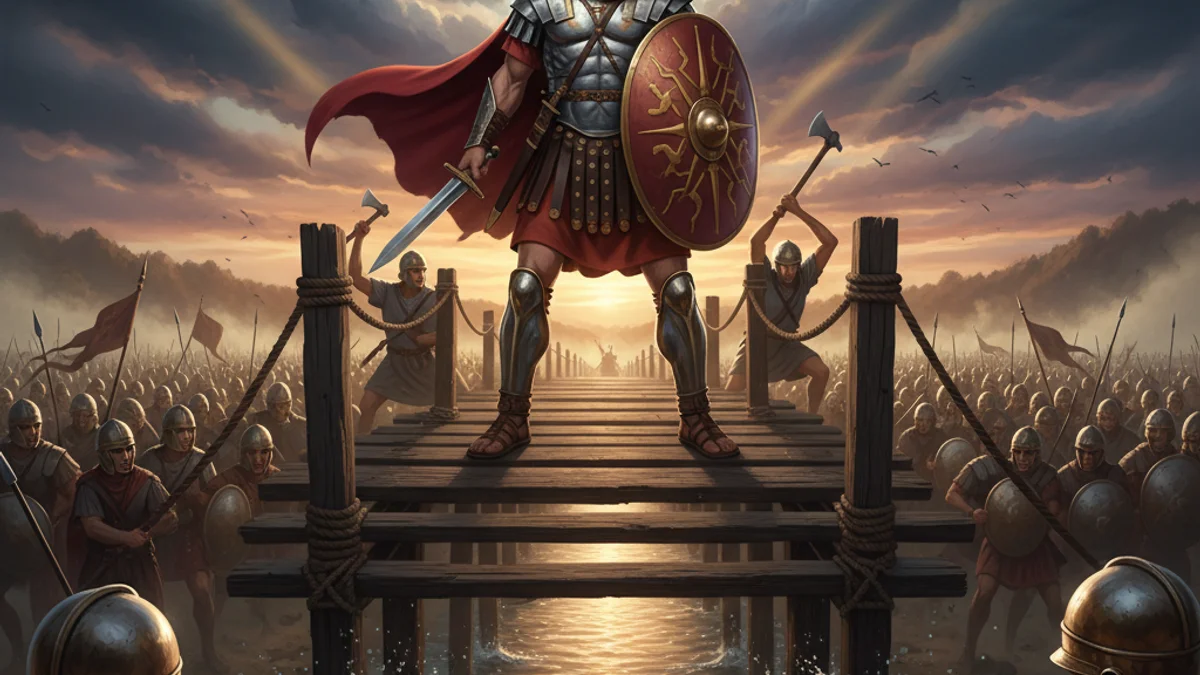
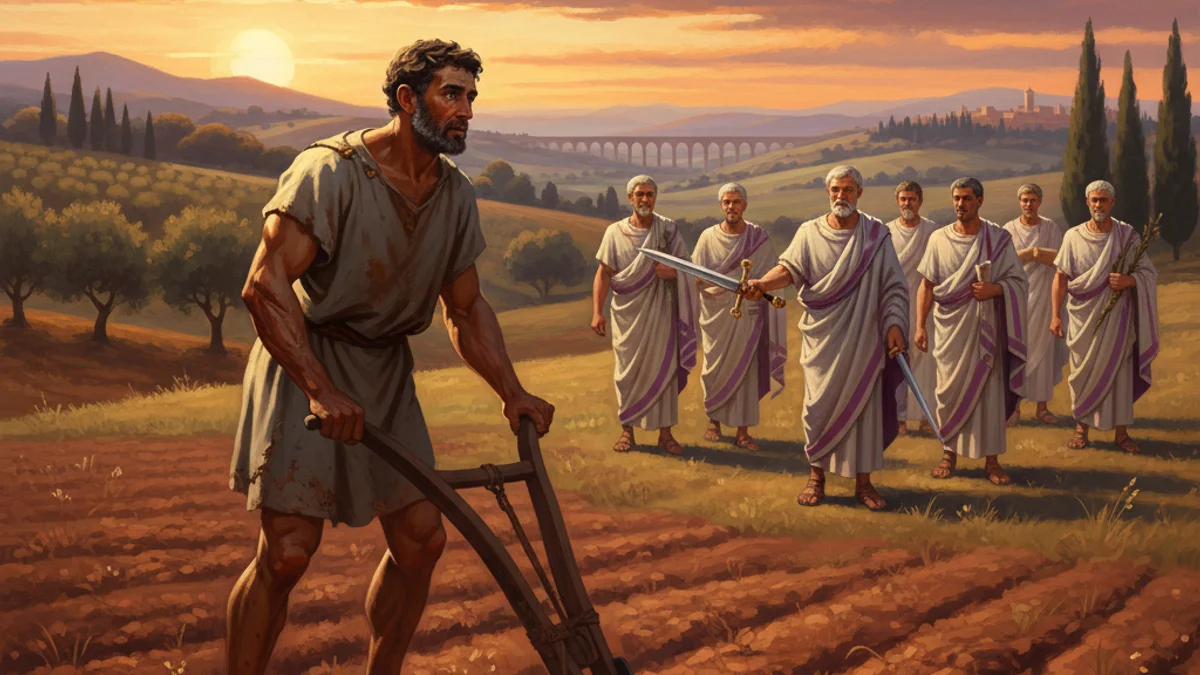
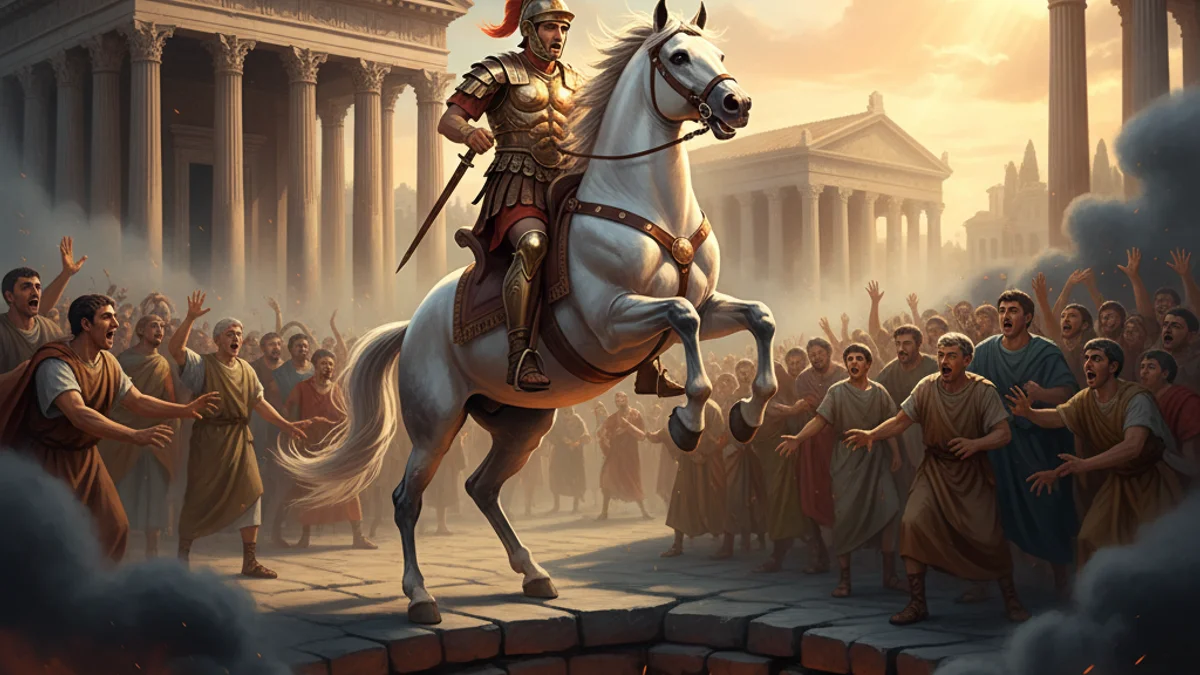
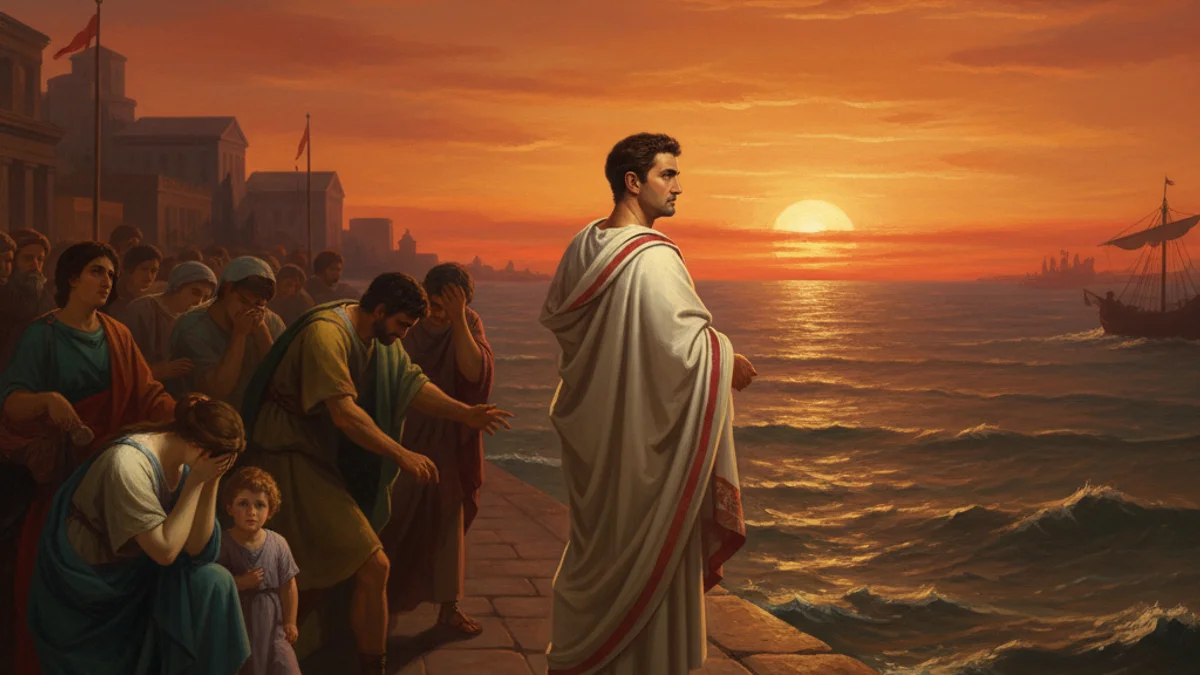
During the First Punic War, the Roman general Marcus Atilius Regulus was captured by the Carthaginians. After years in captivity, his captors sent him back to Rome on parole to negotiate a peace treaty and an exchange of prisoners. Regulus was forced to swear a sacred oath: if he failed to secure the terms, he would return to Carthage for execution. Upon arriving in Rome, Regulus did the unthinkable. Instead of pleading for peace to save his life, he stood before the Senate and urged them to continue the war, arguing that Carthage was weak and Rome must not compromise. His family and friends begged him to stay, pointing out that an oath made to an enemy was not binding. Yet, Regulus refused to yield. He believed that the sanctity of a Roman's word was the foundation of the Republic. Stoic and resolute, he pushed through the crowds of weeping citizens and returned to the Carthaginian ship. He sailed back to Africa, where he was met with torture and death, cementing his legacy as the ultimate symbol of Roman honor.
The Moral
Integrity and honor are more valuable than life itself; a person's word is their most sacred bond.
“I cannot break my word, for I am a Roman.”
Fun Fact
The story of Regulus was so popular in Rome that it was taught to schoolboys for centuries to instill the importance of 'Fides,' or keeping one's word.
Frequently Asked Questions
What is the moral of Regulus Returns to Carthage?
The moral is that honor and keeping one's word are the highest virtues. It teaches that personal integrity is more valuable than physical survival or safety.
Who was Marcus Atilius Regulus?
He was a Roman consul and general who served during the First Punic War. He is remembered as a legendary model of Roman civic virtue and reliability.
Why did Regulus return to Carthage?
He had sworn a sacred oath to return if his peace mission failed. Despite the risk of death, he believed breaking his word would bring eternal shame to himself and Rome.
Is the story of Regulus historically accurate?
While Regulus was a real historical figure, many details of his return and execution are considered legendary. Romans used the story as a moral exemplar rather than a strict historical record.
What Roman virtue does Regulus represent?
He represents 'Fides,' which translates to faith, reliability, and trust. He also embodies 'Virtus,' the courage and moral excellence expected of a Roman citizen.
How did Regulus die in Carthage?
Legend states that he was tortured to death, possibly by being placed in a spiked barrel or forced to stay awake until he died. These details emphasized his suffering for the sake of his honor.
Discussion (0)
Share your thoughts on this story
No comments yet. Be the first to share your thoughts!