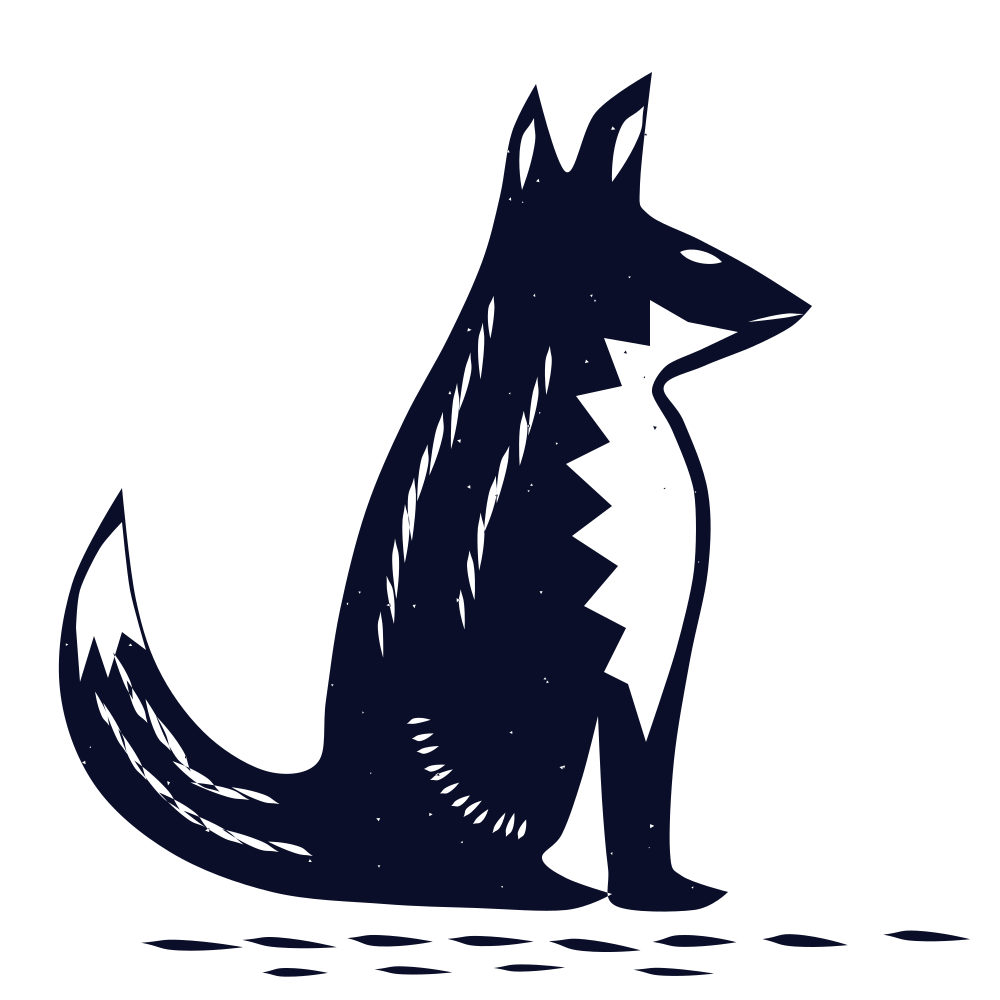

In a small Italian village, a lonely woodcarver named Geppetto crafted a puppet from a peculiar piece of enchanted wood. To his amazement, the puppet, whom he named Pinocchio, began to move and speak. Though Geppetto loved him like a son, Pinocchio was impulsive and easily led astray. Ignoring the advice of a wise Talking Cricket, he traded his schoolbooks for a ticket to a puppet theater and was soon swindled by a cunning Fox and Cat. His adventures took him to the Land of Toys, where his laziness nearly turned him into a donkey. Each time he lied to the benevolent Blue Fairy, his nose grew longer, a shameful badge of his dishonesty. After learning that Geppetto had been swallowed by a giant sea monster while searching for him, Pinocchio dove into the ocean. Inside the beast's belly, father and son were reunited. Through a daring escape and selfless care for his father, Pinocchio finally proved his courage and goodness. Recognizing his transformation of spirit, the Blue Fairy granted his greatest wish, turning the wooden puppet into a real human boy.
True worth is found through honesty, bravery, and selflessness. Our actions and the way we treat others define who we are more than our physical form.
Questions about this story
What is the moral of Pinocchio?
The moral is that honesty, hard work, and loyalty are essential for personal growth. It teaches children that lying has visible consequences and that being 'real' requires a good heart.
Why does Pinocchio's nose grow?
Pinocchio's nose grows as a physical manifestation of his lies. It serves as a magical warning that the truth cannot be hidden and that dishonesty is a burden one must carry.
Who is the Blue Fairy in the story?
The Blue Fairy is a magical guardian who acts as a moral guide and mother figure to Pinocchio. she rewards his good behavior and provides the ultimate transformation when he proves his worth.
What happens in the Land of Toys?
The Land of Toys is a deceptive place where children can play all day without rules. However, their laziness and lack of education eventually cause them to transform into donkeys.
Advertisement

Good night.
