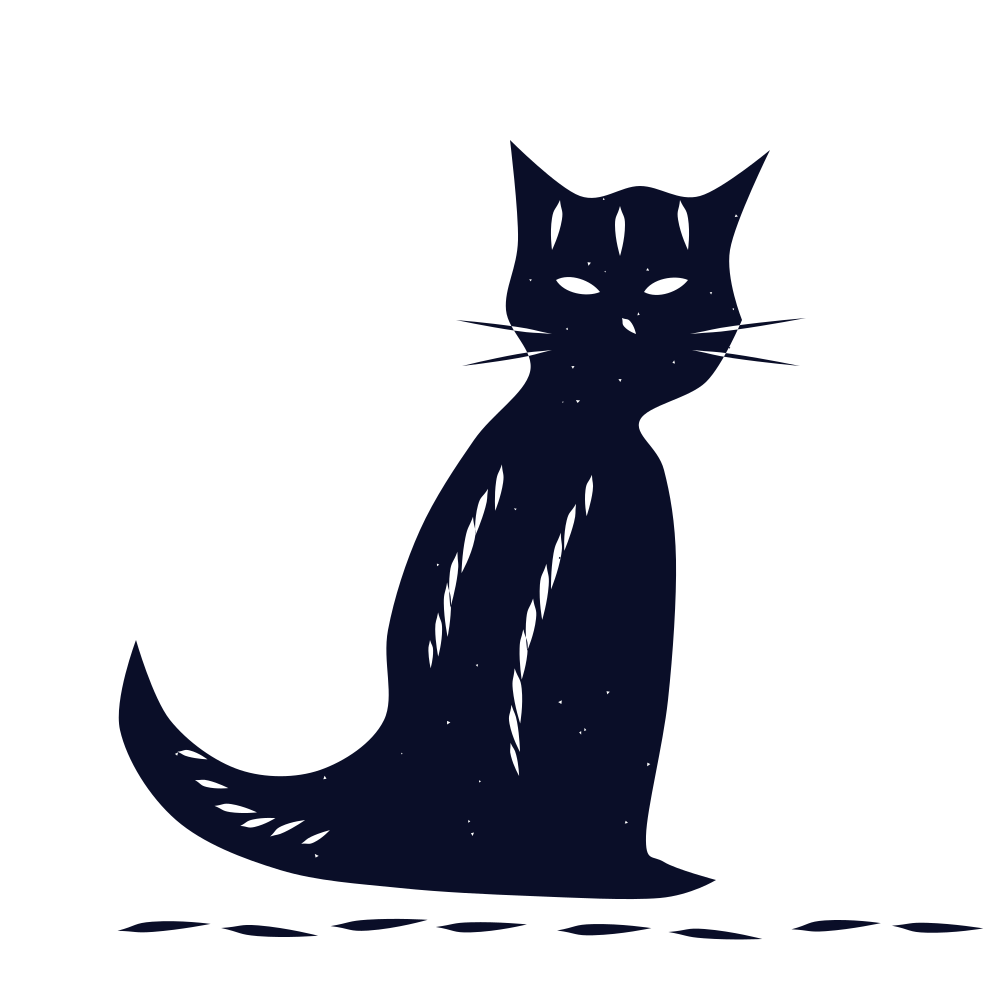

Dick Whittington was a poor orphan who traveled to London after hearing rumors that the streets were paved with gold. Finding only cold pavement and hunger, he was taken in by a wealthy merchant named Mr. Fitzwarren to work as a scullery boy. Dick's only possession was a cat he bought for a penny to keep the rats from his attic room. When Mr. Fitzwarren invited his servants to place a stake in a trading voyage, Dick sadly offered his beloved cat. Hardship from a cruel cook eventually drove Dick to run away, but as he reached Highgate Hill, the Bow Bells seemed to chime a prophecy: 'Turn again, Whittington, thrice Lord Mayor of London.' Heeding the bells, he returned. Months later, the ship returned from the shores of Barbary. The King there had been so plagued by rats that he paid a massive fortune for Dick's cat, who had cleared the palace of pests. Dick became a wealthy man, married Alice Fitzwarren, and lived to serve as Lord Mayor of London three times, just as the bells foretold.
Hard work, honesty, and a little bit of luck can transform the humblest beginnings into a life of great success.
Questions about this story
What is the moral of Dick Whittington and His Cat?
The story teaches that perseverance and integrity lead to success. It suggests that even those from the most humble backgrounds can achieve greatness through patience and the right opportunities.
Was Dick Whittington a real person?
Yes, Richard Whittington was a real merchant and philanthropist who lived in the 14th century. He actually served as the Lord Mayor of London four times, though the story of the cat is likely a legend.
What did the Bow Bells say to Dick Whittington?
As Dick was leaving London, the bells of St. Mary-le-Bow seemed to ring out: 'Turn again, Whittington, thrice Lord Mayor of London.' This prophecy encouraged him to return and face his hardships.
How did Dick Whittington become wealthy?
Dick became wealthy because his cat was sold for a huge sum of gold to the King of Barbary. The King's palace was infested with rats, and the cat was the only creature capable of catching them.
Advertisement

Good night.
