Story Summary
Discover the Sumerian myth Enki and the World Order, where the god of wisdom organizes the cosmos, assigns divine roles, and establishes human civilization.
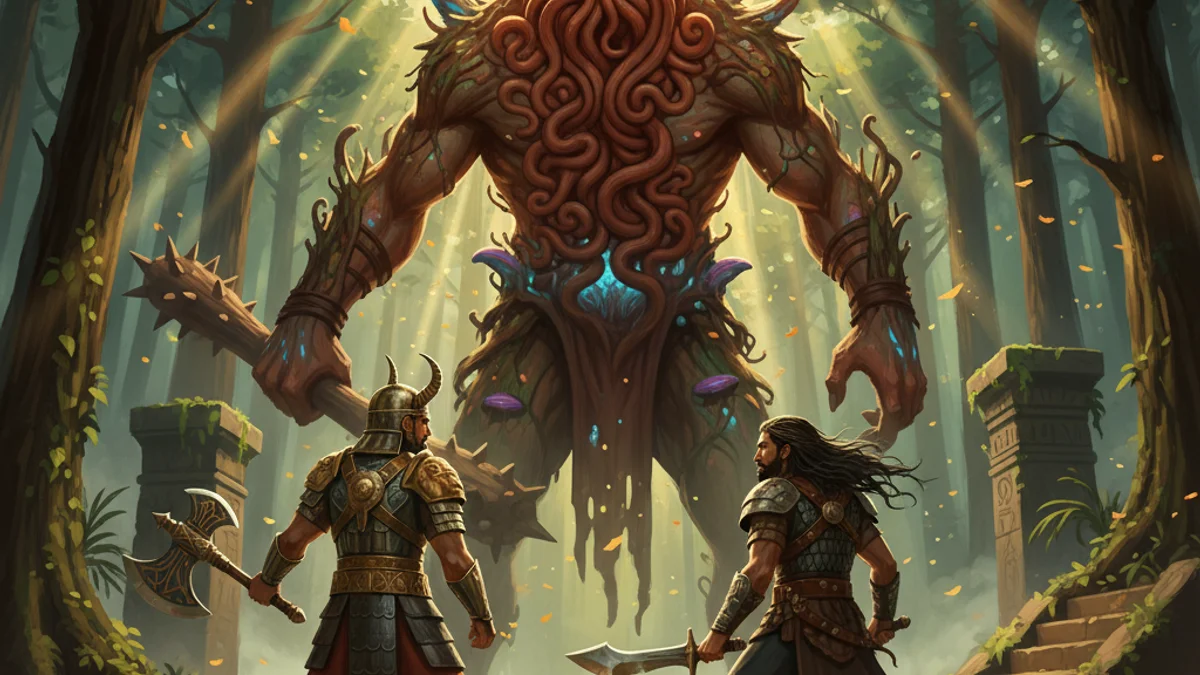
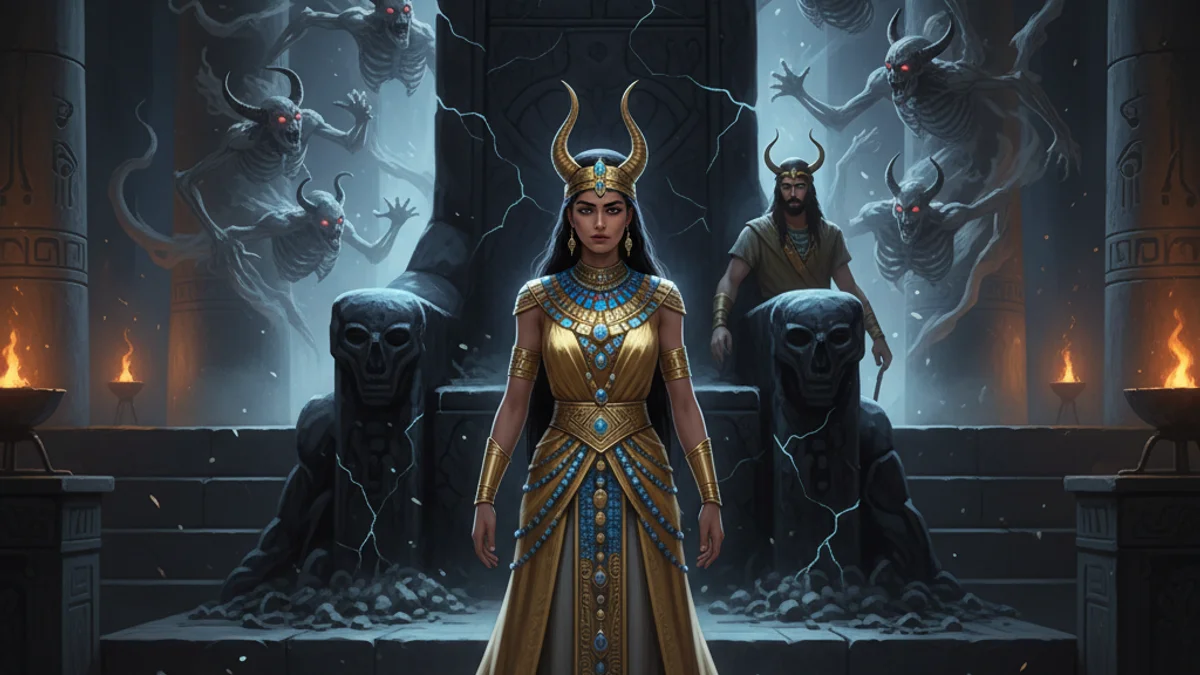
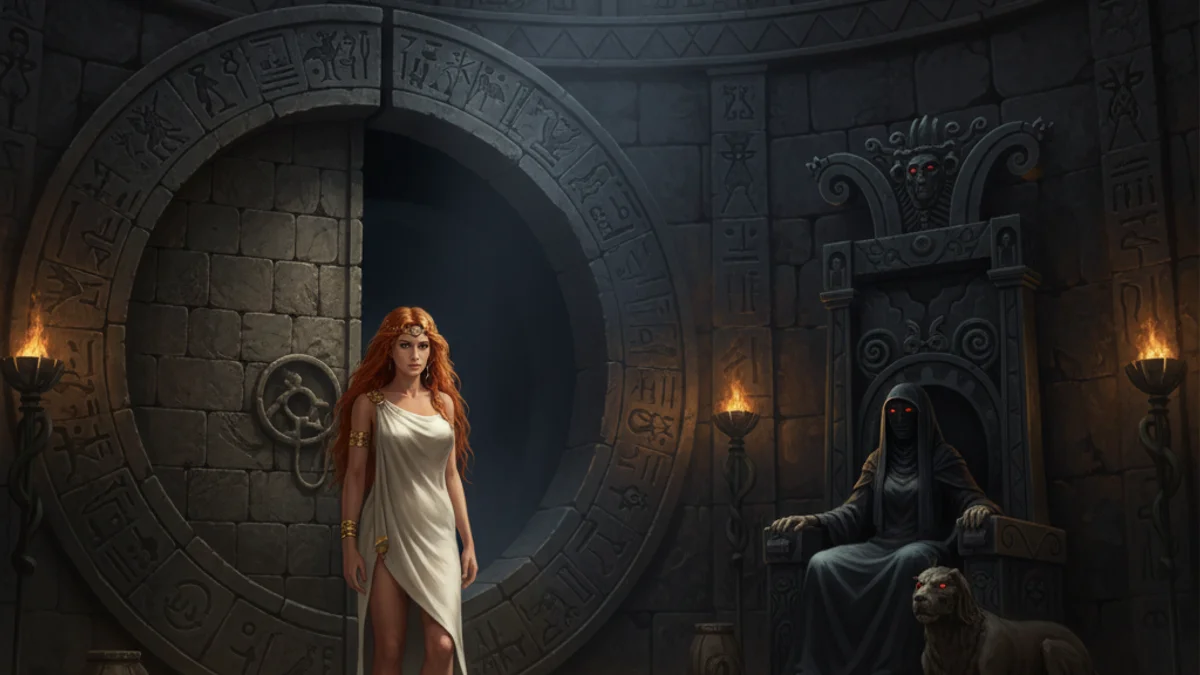
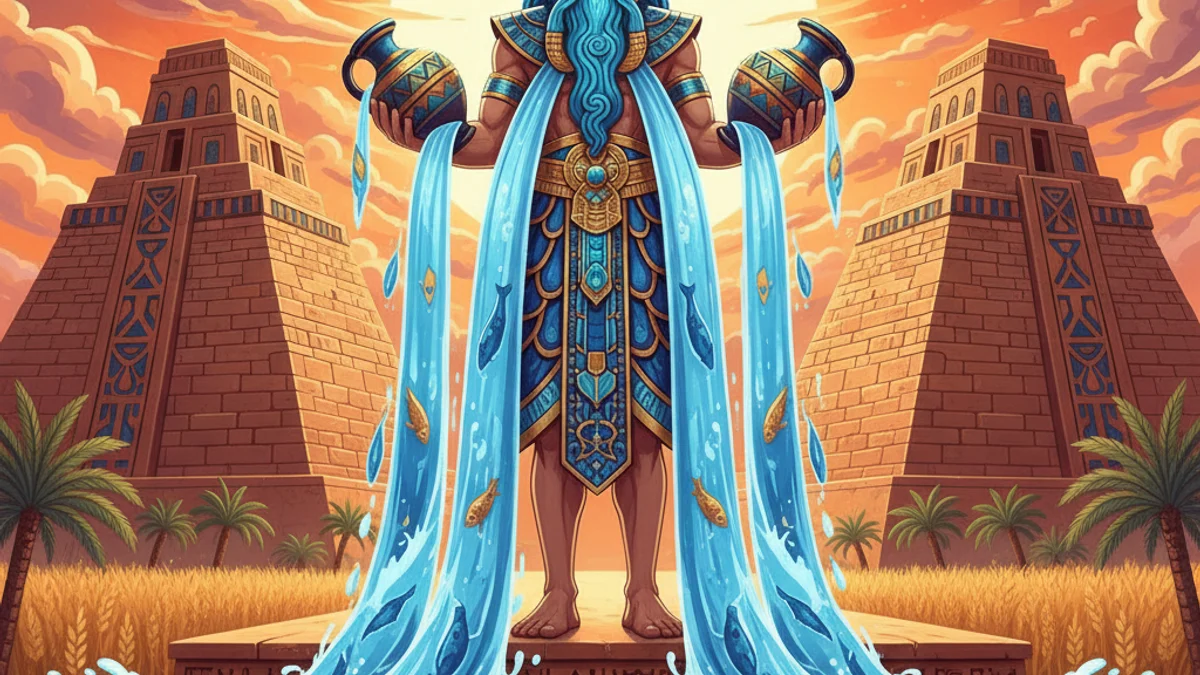
In the beginning, when the foundations of the world were yet to be fully laid, Enki, the Sumerian god of wisdom and sweet waters, rose from his temple in Eridu to bring order to the chaos. He traveled across the lands, from the marshes of Sumer to the mountains of Meluhha, blessing the earth with fertility. With a divine decree, he filled the Tigris and Euphrates rivers with life-giving water, ensuring the survival of the people. He established the boundaries of nations, organized the cycles of agriculture, and assigned specific duties to the lesser gods. He gave the plow to the god of the fields and the pickaxe to the god of building. However, the goddess Inanna approached him with a grievance, feeling she had been left without a proper domain. Enki, in his infinite wisdom, reminded her that she possessed the greatest power of all: the ability to change destinies and stir the hearts of both gods and mortals. By his hand, the 'Me'—the divine laws of civilization—were distributed, ensuring that every element of the universe functioned in perfect harmony under a grand, divine design.
The Moral
The universe thrives when there is order, and every being, no matter their rank, has a unique and essential role to play in the balance of life.
“I am the lord, I am the one who speaks for the land; I am the leader of the gods.”
Fun Fact
This myth is one of the most comprehensive ancient texts describing how the Sumerians viewed the organization of their economy, agriculture, and social hierarchy.
Frequently Asked Questions
What is the moral of Enki and the World Order?
The moral is that a functioning society requires organization and the recognition that everyone has a specific purpose. It emphasizes that wisdom and planning are the keys to a harmonious world.
Who is Enki in Sumerian mythology?
Enki is the god of water, knowledge, crafts, and creation. He is often depicted as a wise fixer who solves problems for both gods and humans through his intellect.
What are the 'Me' mentioned in the story?
The 'Me' are divine decrees or universal laws that govern civilization, technology, and social customs. They represent the essential elements that make a society function properly.
Why does Inanna complain to Enki?
Inanna feels that while other gods were given specific domains like agriculture or justice, she was overlooked. Enki explains that her power is more fluid, governing change, battle, and desire.
How did Enki create the Tigris and Euphrates?
In the myth, Enki fills the rivers with his own life-giving potency, symbolizing the divine source of the water that sustained the Mesopotamian civilization.
What is the significance of the city of Eridu?
Eridu was considered the oldest city in the world by the Sumerians and was the cult center of Enki. It represents the birthplace of human civilization and divine order.
Discussion (0)
Share your thoughts on this story
No comments yet. Be the first to share your thoughts!