Story Summary
Discover Rumi's parable The Chickpea and the Cook, a profound Sufi story about how the heat of life's trials transforms and refines the soul for its purpose.
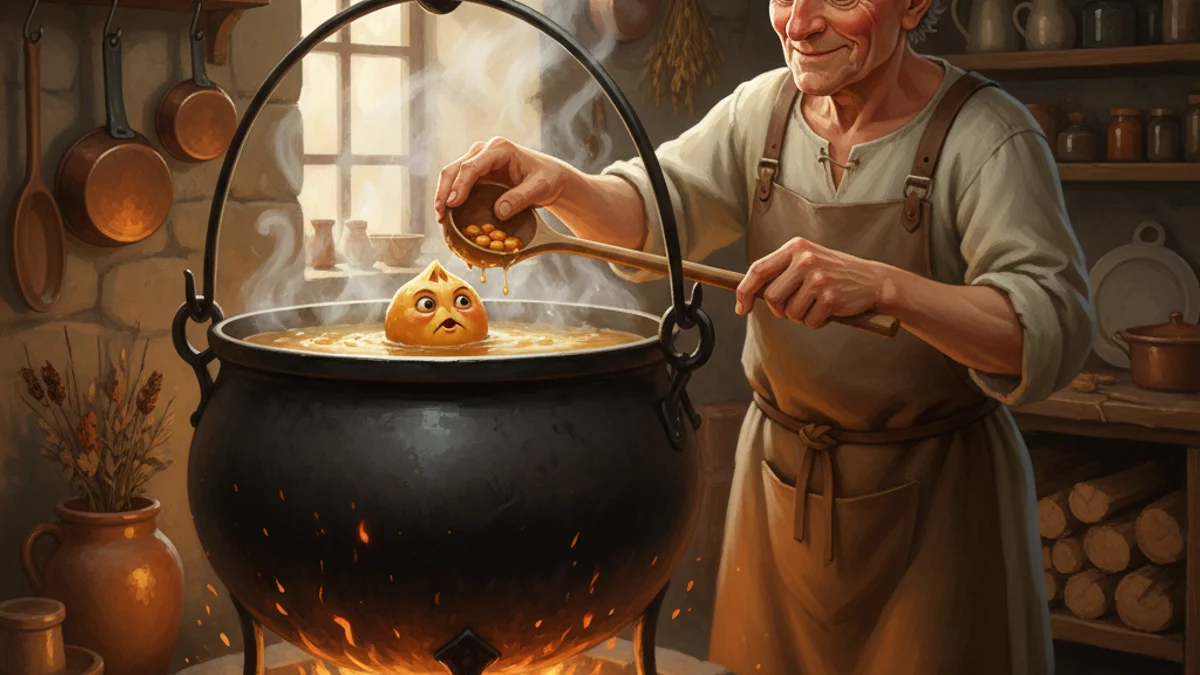
A chickpea leaped in the boiling pot, crying out to the cook, 'Why are you doing this to me? You bought me with your own money, and now you subject me to this terrible fire!' The cook hit the chickpea back down with his wooden spoon. 'Don't try to jump out,' he said calmly. 'I boil you not because I hate you, but so that you may gain flavor and become nourishment. You were once part of the earth, and through this heat, you will transcend your raw nature.' At first, the chickpea struggled and complained, but eventually, it understood that the pain was a process of grace. It surrendered to the water, realizing that only by being cooked could it fulfill its destiny, lose its ego, and be united with the spirit of the one who eats it.
The Moral
Suffering and life's trials are not punishments, but a divine process of refinement meant to transform our raw ego into spiritual sweetness.
“I am boiling you not because I dislike you, but so that you may gain taste and become life.”
Fun Fact
This parable appears in the third book of Rumi’s Masnavi, which is so revered in the Islamic world that it is often called the 'Quran in the Persian tongue.'
Frequently Asked Questions
What is the moral of The Chickpea and the Cook?
The moral is that suffering and life's difficulties are a means of spiritual refinement. Just as heat transforms a raw bean into a meal, trials transform the human soul into something useful and enlightened.
Who wrote the story of the Chickpea and the Cook?
This story was written by the 13th-century Persian poet and Sufi mystic Jalal ad-Din Muhammad Rumi. It is found in his monumental six-volume poetic work, the Masnavi-ye Ma’navi.
What does the boiling water symbolize in Rumi's parable?
The boiling water represents the trials, tribulations, and pressures of the material world. These experiences are seen as the necessary 'heat' to break down the ego and soften the heart for the Divine.
Why does the cook push the chickpea back into the pot?
The cook represents the Divine or a spiritual guide who knows the chickpea is not yet ready. Pushing it back ensures the transformation is complete, preventing it from remaining raw and spiritually immature.
What is the spiritual significance of the chickpea's surrender?
Surrender signifies the transition from the lower ego to a state of spiritual submission. This acceptance turns perceived suffering into a meaningful journey toward growth and ultimate union with the Spirit.
How does this story apply to personal growth today?
It teaches that when we face intense challenges, we can view them as opportunities for transformation rather than mere pain. It encourages patience, trust, and resilience during the 'boiling' phases of our own lives.
Discussion (0)
Share your thoughts on this story
No comments yet. Be the first to share your thoughts!