Story Summary
Witness the legendary bravery of the Crimson Demon in Sanada Yukimura's Last Charge. A stirring tale of samurai heroism and honor during the Siege of Osaka.
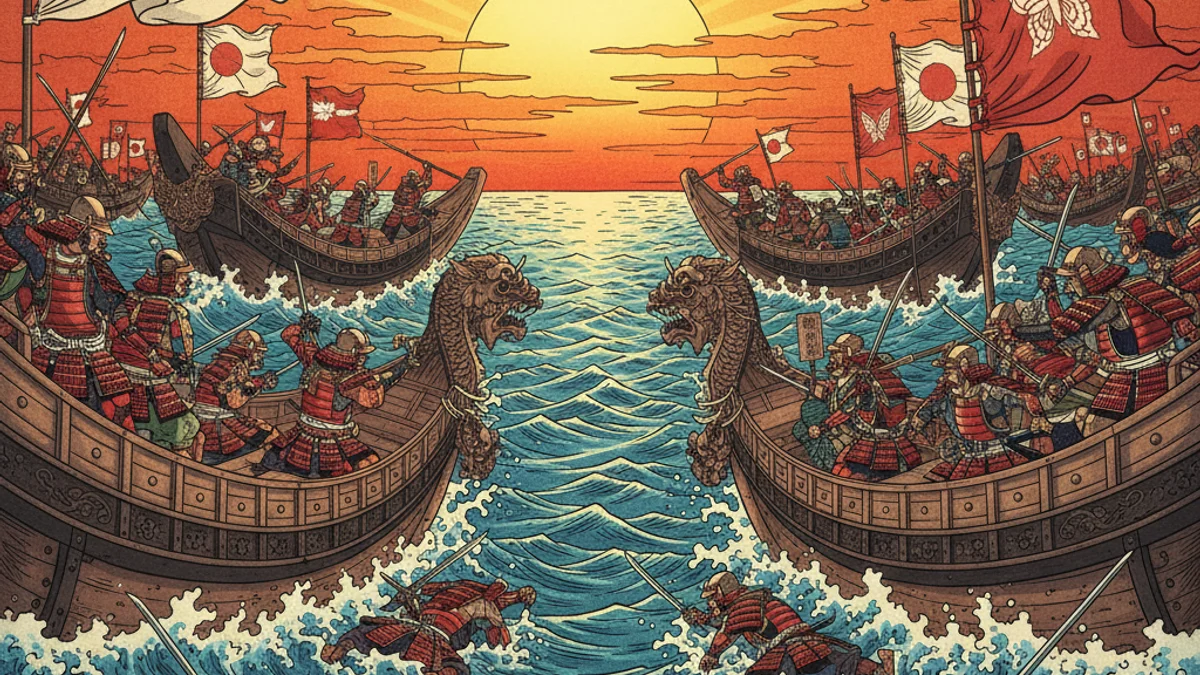
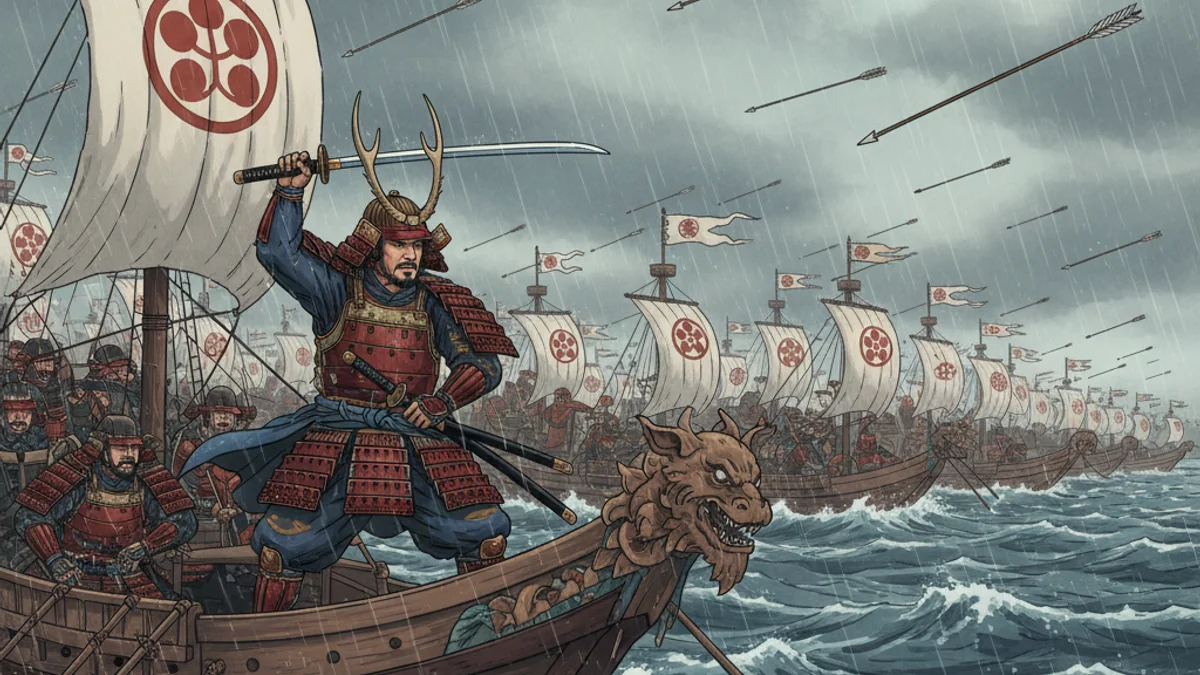
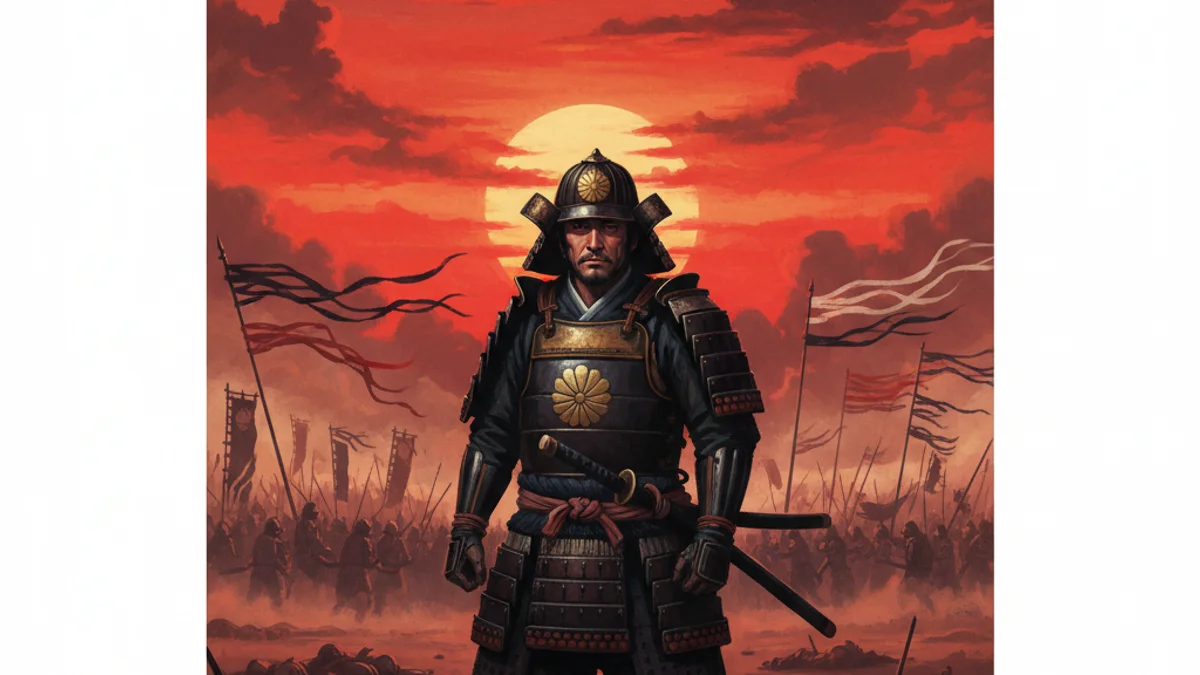
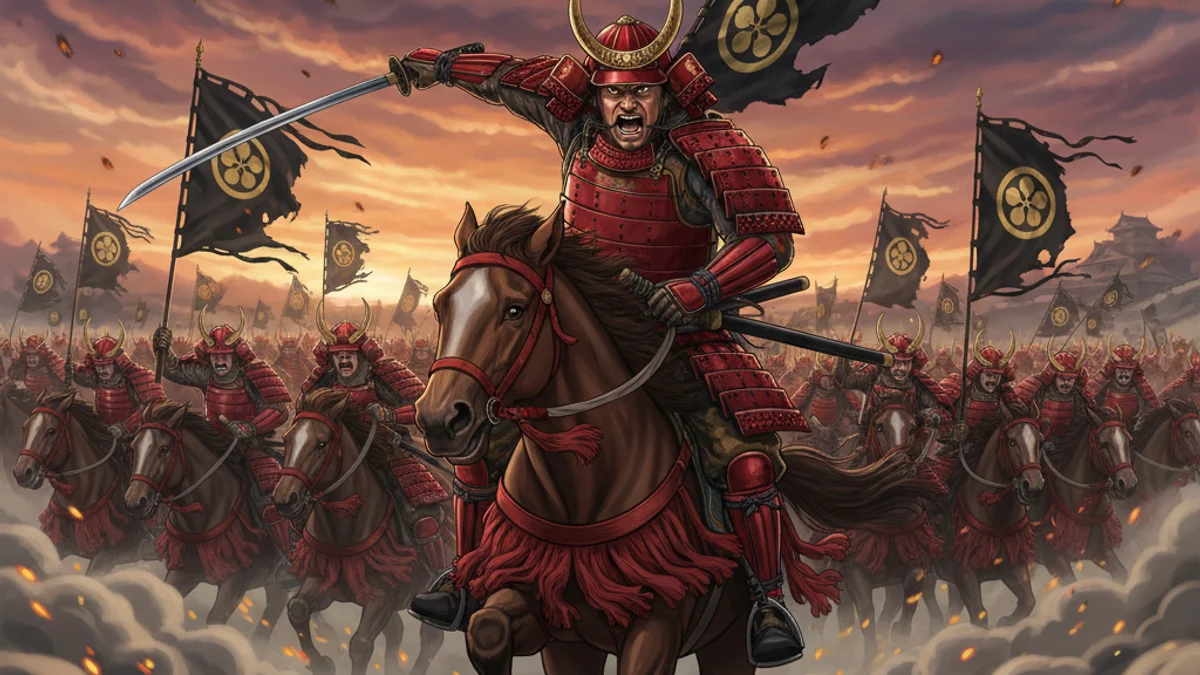
In the sweltering summer of 1615, the fate of the Toyotomi clan hung by a single thread during the Siege of Osaka. Sanada Yukimura, the man known as the 'Crimson Demon of War,' stood before the overwhelming might of the Tokugawa Shogunate. Knowing that the castle was doomed and defeat was inevitable, Yukimura chose a glorious end over a cowardly retreat. Clad in brilliant blood-red armor, he led his elite troops in a final, thunderous charge directly at the heart of Tokugawa Ieyasu’s main camp. The fury of the red tide was so great that it broke through wave after wave of defenders, sending the Shogun’s elite guards into a panic. For a brief moment, the legendary Ieyasu himself contemplated ritual suicide as Yukimura’s spear drew dangerously close. Though Yukimura eventually fell to exhaustion and superior numbers, his final stand became the stuff of legend, proving that a warrior's spirit cannot be conquered even in death.
The Moral
True heroism is found in the courage to stand for one's principles and loyalty even when faced with impossible odds.
“A samurai's life is like a cherry blossom; brief, beautiful, and falling at the height of its splendor.”
Fun Fact
Despite being on the losing side, Yukimura was so respected by his enemies that the Shimazu clan called him 'A hero who appears once in a hundred years.'
Frequently Asked Questions
What is the moral of Sanada Yukimura's Last Charge?
The story emphasizes the virtue of unwavering loyalty and the pursuit of honor regardless of the outcome. It teaches that the spirit of a warrior is defined by their courage in the face of certain defeat.
Who was Sanada Yukimura?
Sanada Yukimura, originally named Sanada Nobushige, was a legendary Japanese samurai of the Sengoku period. He is celebrated as one of the greatest tacticians and warriors in Japanese history, often called the 'Number One Warrior in Japan.'
Did Yukimura really almost kill Tokugawa Ieyasu?
Historical accounts suggest that Yukimura’s final charge was so effective that it reached the Tokugawa main camp. It is widely believed to be the only time Ieyasu’s life was in genuine peril during the entire Osaka campaign.
Why was he called the Crimson Demon?
Yukimura and his troops were famous for wearing bright red armor on the battlefield. This striking appearance, combined with their terrifying ferocity, earned them the nickname 'The Red Devils' or 'Crimson Demons.'
When did the last charge take place?
The charge occurred during the Summer Campaign of the Siege of Osaka in 1615. This battle marked the end of the Sengoku period and the solidifying of the Tokugawa Shogunate's power.
Is the story of Sanada Yukimura's charge historically accurate?
While some details have been romanticized in plays and folklore, the charge is a documented historical event. Even his enemies respected him so much that they recorded his bravery in their own chronicles.
Discussion (0)
Share your thoughts on this story
No comments yet. Be the first to share your thoughts!