Story Summary
Discover the ancient Sumerian myth of The Huluppu Tree, where Inanna enlists the hero Gilgamesh to banish monsters from her sacred tree and claim her throne.
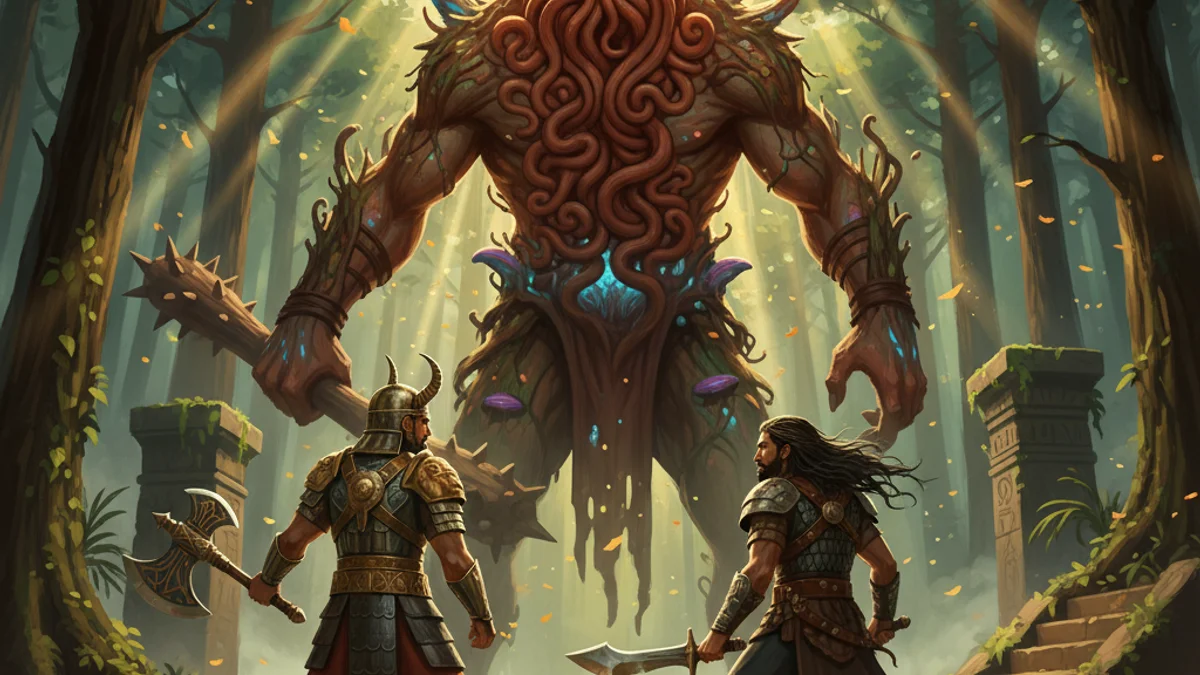
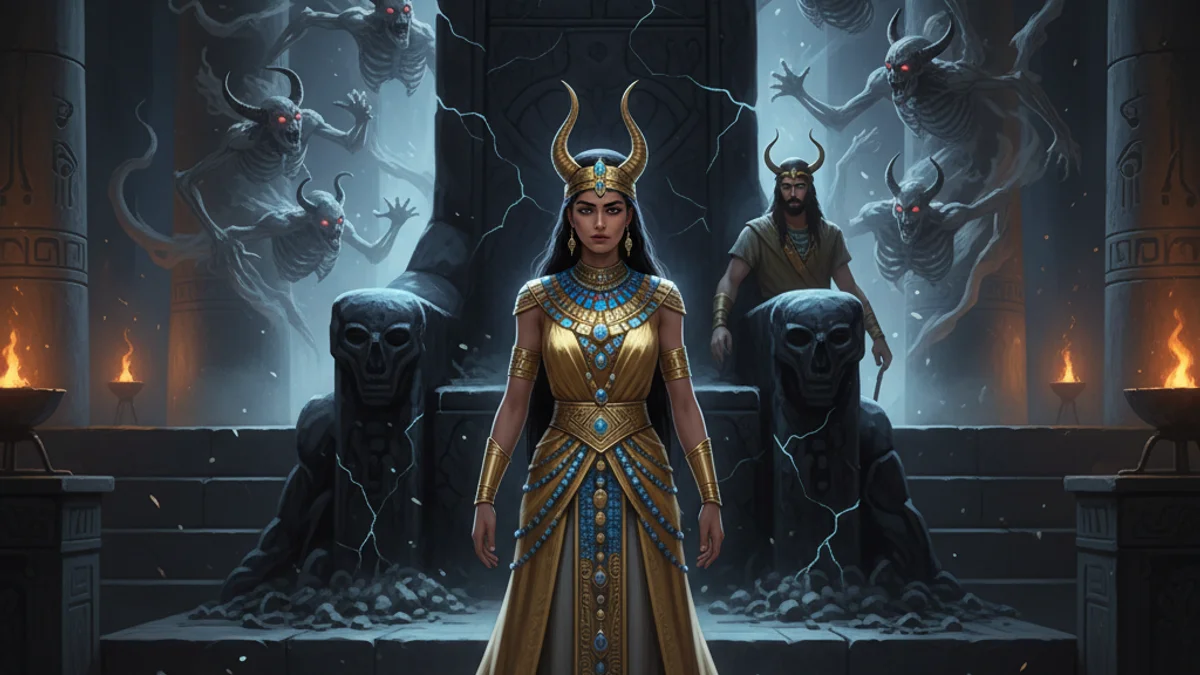
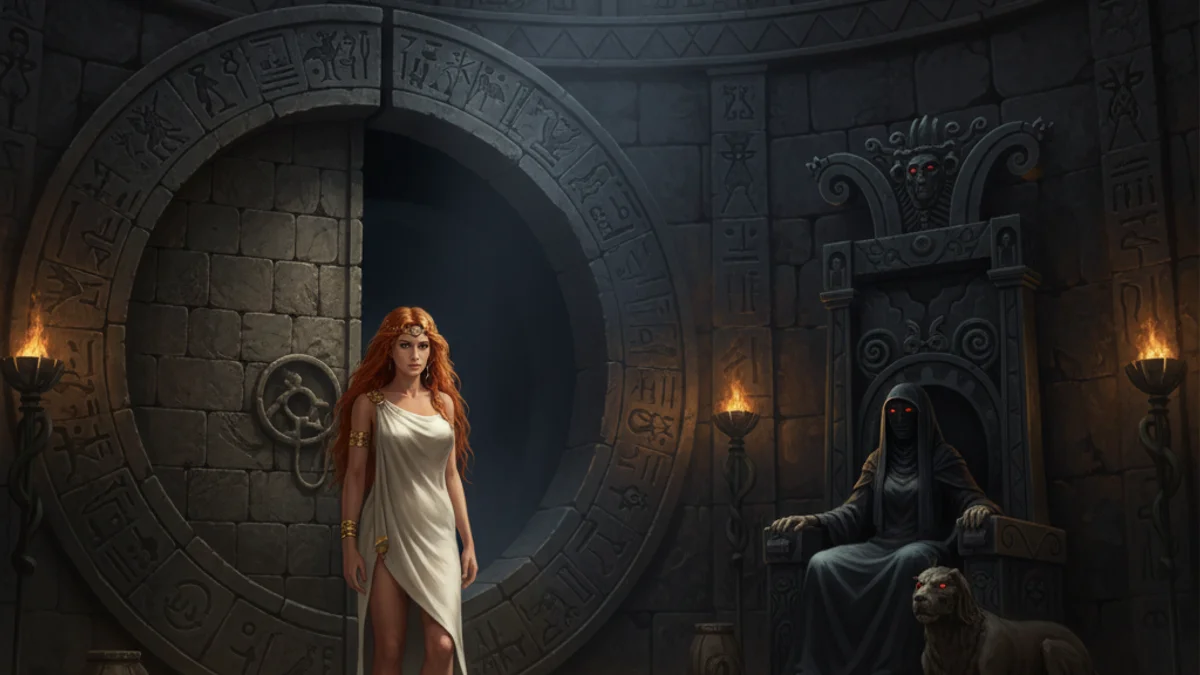
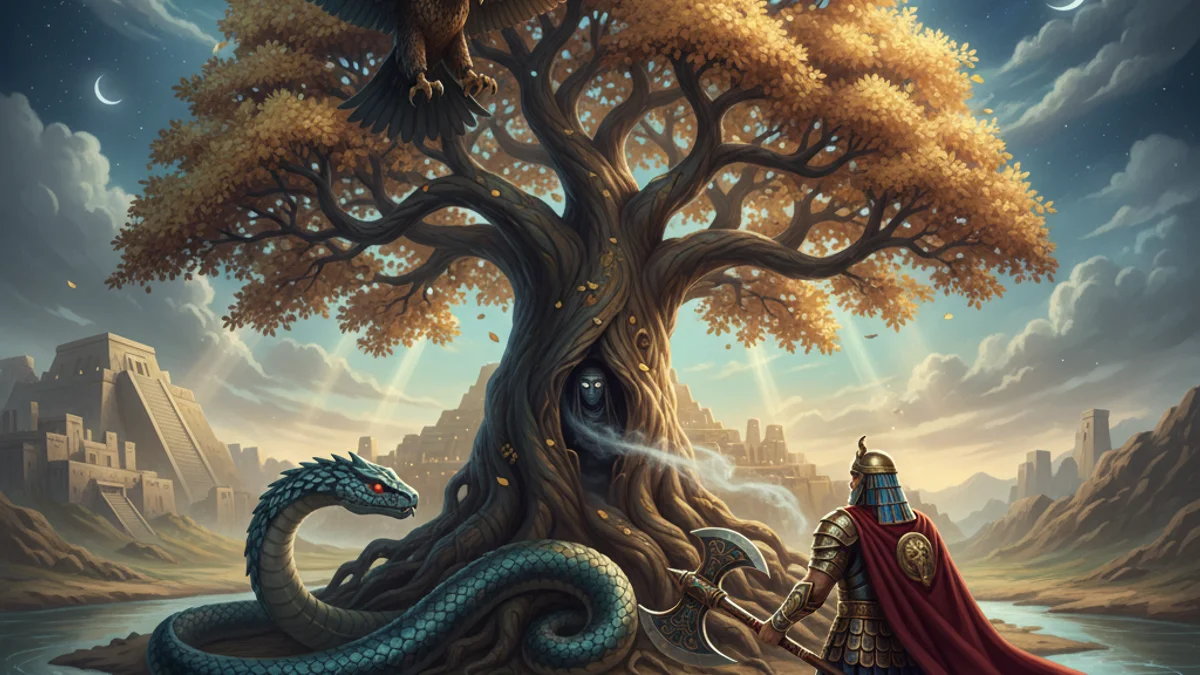
In the earliest days of the world, after the heavens were separated from the earth, a single huluppu tree grew along the banks of the Euphrates. A fierce south wind uprooted the sapling, tossing it into the river's currents. Inanna, the Queen of Heaven, rescued the struggling tree and brought it to her sacred garden in Uruk. She tended to it with care, hoping that once it grew tall, she could fashion a majestic throne and a bed from its wood. However, as the tree matured, three uninvited guests took hold: a serpent that could not be charmed coiled at the roots, the massive Anzu bird nested in the crown, and the dark maiden Lilith built her home in the trunk. Inanna wept in despair, for she could not drive the intruders away. She sought help from her brother, the sun god Utu, but he turned away. Finally, the hero-king Gilgamesh stepped forward. Clad in heavy bronze armor, he struck the serpent with his massive axe. Terrified, the Anzu bird fled with its young to the mountains, and Lilith tore down her house, vanishing into the wilderness. Gilgamesh then felled the tree, giving the wood to Inanna for her throne. From the leftover roots and branches, he fashioned a magical drum and drumstick, symbols of his own kingly power.
The Moral
True authority and peace are often established only after one has the courage to confront and banish the forces of chaos.
“Inanna wept, for her sacred tree was held captive by the wild, until the hero brought the light of his axe.”
Fun Fact
This story contains one of the oldest known literary references to the figure of Lilith, appearing long before her prominence in later folklore.
Frequently Asked Questions
What is the moral of The Huluppu Tree?
The story teaches that civilization and divine order require protection from the primal forces of nature. It highlights how heroism is necessary to transform the wild into something functional and sacred.
Who is Lilith in this Sumerian myth?
In this ancient context, Lilith is a 'dark maiden' or wilderness spirit who inhabits the hollow of the tree. She represents the untamed and unpredictable elements of the world that resist human cultivation.
What are the Mikku and Pukku?
These are ritual objects, usually interpreted as a drum and a drumstick, that Gilgamesh carves from the huluppu tree's remains. They symbolize his power and authority as the king of Uruk.
Why did Inanna need Gilgamesh's help?
Despite being a goddess, Inanna represents the civilizing desire for beauty and order, which is sometimes vulnerable to raw, chaotic violence. She requires Gilgamesh’s physical strength and mortal bravery to clear her garden.
What kind of tree was the Huluppu tree?
Most scholars identify the Huluppu tree as a species of willow, which thrives near rivers like the Euphrates. In the myth, it serves as a bridge between the wild elements of nature and the crafted luxury of the gods.
How does this story fit into the Epic of Gilgamesh?
While often treated as a standalone myth, it serves as a prologue that establishes Gilgamesh's relationship with the goddess Inanna. It showcases his role as a monster-slayer before his quest for immortality.
Discussion (0)
Share your thoughts on this story
No comments yet. Be the first to share your thoughts!