Story Summary
Experience the powerful tale of Sita's Ordeal, where the Hindu goddess proves her devotion and purity through the Agni Pariksha after the great war of Lanka.
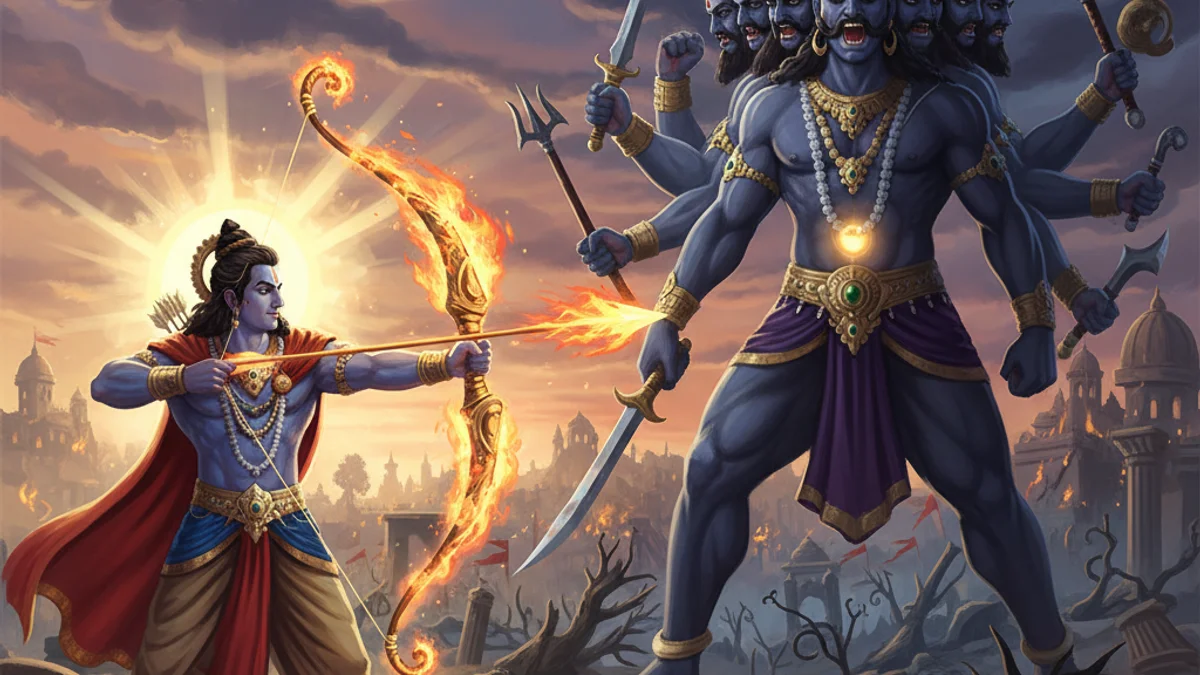
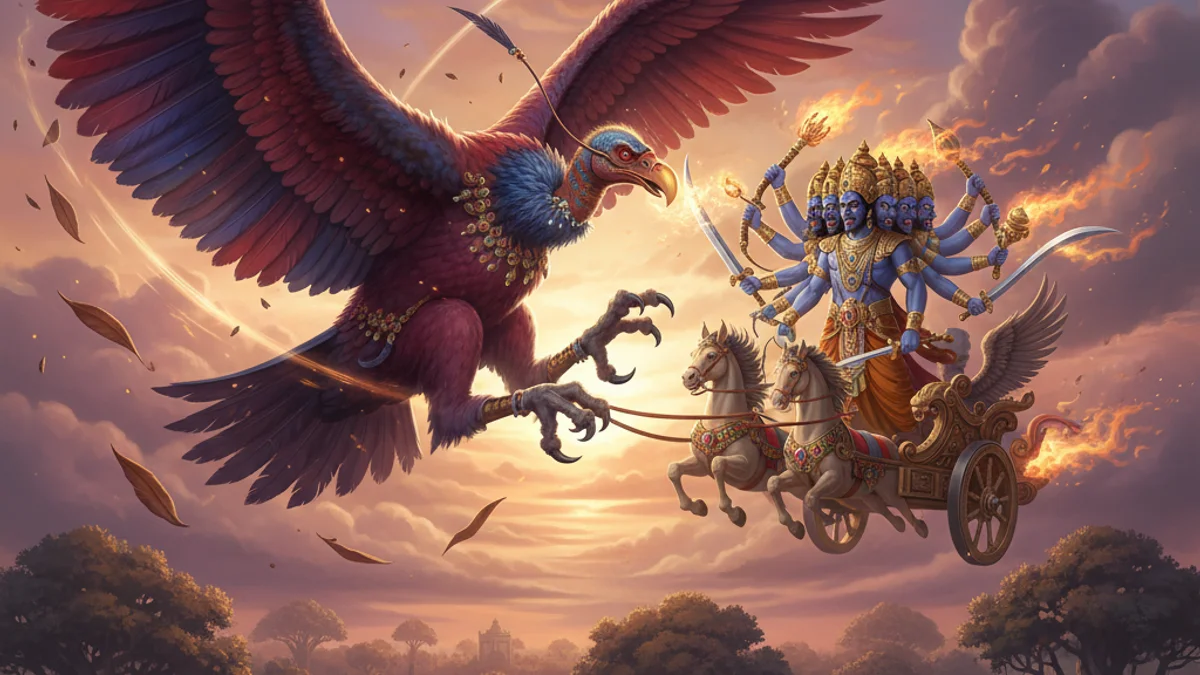
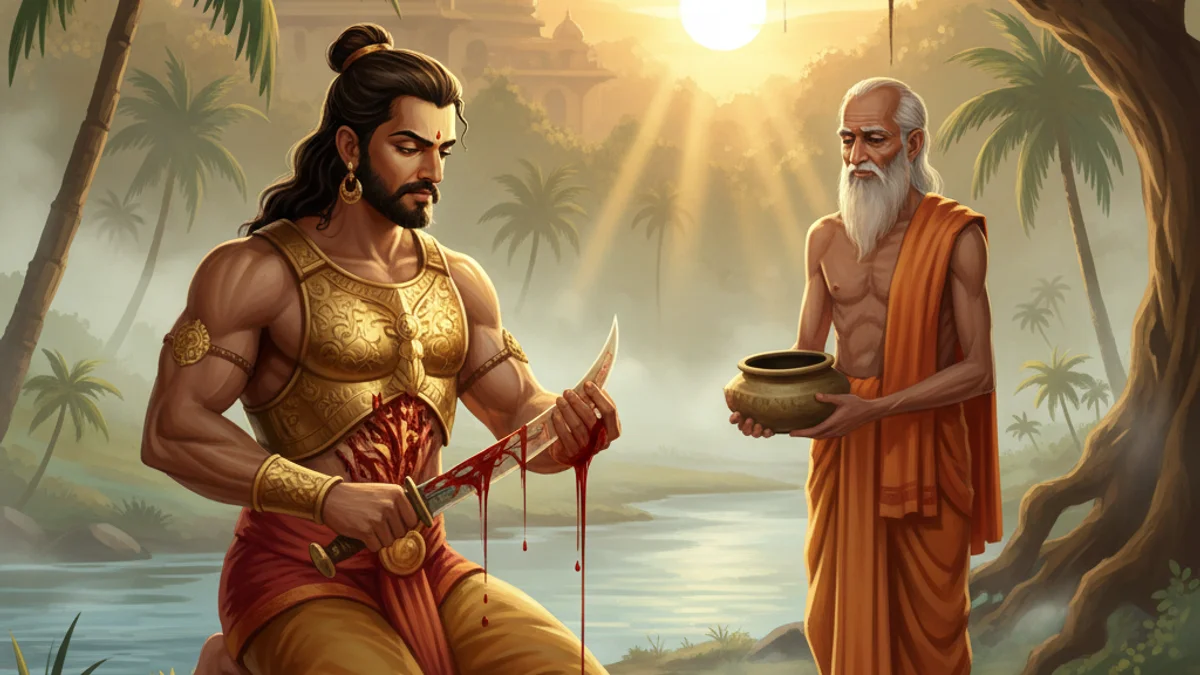
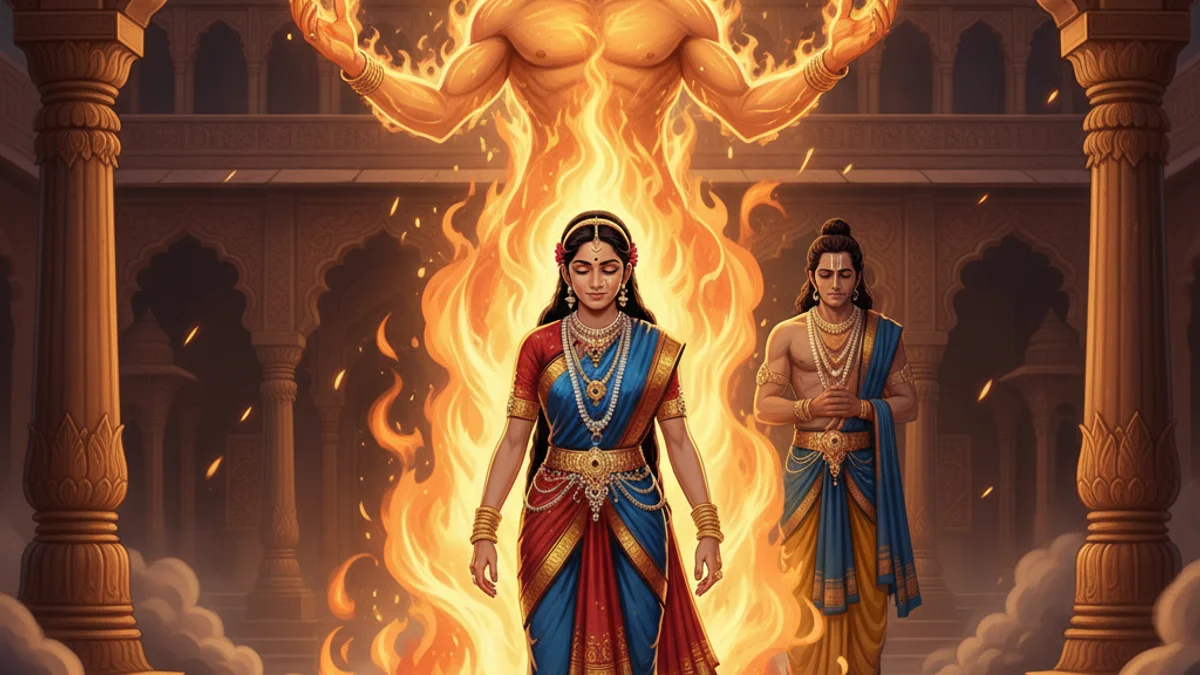
After the epic battle of Lanka and the defeat of the demon-king Ravana, Princess Sita was finally reunited with Lord Rama. However, the joy of their reunion was clouded by the whispers of a world that doubted her purity after months of captivity. To silence the skeptics and prove her unwavering devotion, Sita requested her brother-in-law, Lakshmana, to prepare a funeral pyre. She declared that if her heart had never strayed from Rama, the fire would not harm her. As Rama watched with a heavy heart, Sita stepped into the roaring flames. Instead of consuming her, the God of Fire, Agni, rose from the pyre holding Sita in his arms. He presented her to Rama, declaring her unsullied and divine. This Agni Pariksha, or trial by fire, served as a testament to her virtue, though it remains one of the most poignant and debated moments in the Ramayana, highlighting the heavy burden of public duty over personal love.
The Moral
Truth and virtue are indestructible; even the fiercest trials cannot tarnish a soul that is pure and devoted.
“If my heart has never turned away from Rama, may the fire, which witnesses all deeds, protect me.”
Fun Fact
In some versions of the Ramayana, such as the Adhyatma Ramayana, it is believed that a 'Maya Sita' (an illusion) was kidnapped and went through the fire, while the real Sita remained safe with Agni.
Frequently Asked Questions
What is the moral of Sita's Ordeal?
The moral is that true integrity and character cannot be destroyed by external trials or false accusations. It teaches that one's inner truth is their ultimate shield against the judgments of the world.
Why did Sita have to undergo the Agni Pariksha?
Sita underwent the trial by fire to prove her purity and faithfulness to Rama after being held captive by Ravana. Rama requested it to satisfy the social codes of the time and silence the doubts of his subjects.
Who is Agni in this story?
Agni is the Hindu God of Fire. In this story, he acts as a divine witness who protects Sita from the flames and testifies to her innocence before Rama and the assembled witnesses.
How did Rama react to Sita's ordeal?
Rama was deeply pained by the necessity of the ordeal but felt compelled by his duty as a king to prove her virtue publicly. He accepted her back joyfully once Agni confirmed her purity.
What does Sita symbolize in Hindu culture?
Sita is revered as the epitome of grace, sacrifice, and resilience. She symbolizes the 'ideal woman' who maintains her dignity and strength even when faced with immense personal suffering and societal pressure.
What happened after the trial by fire?
After the ordeal, Rama and Sita returned to Ayodhya where Rama was crowned king. However, their struggles continued as Sita was later sent into exile due to ongoing gossip among the citizens.
Discussion (0)
Share your thoughts on this story
No comments yet. Be the first to share your thoughts!