Story Summary
Explore the legend of Pan the Goat God, the wild deity of shepherds and rustic music. Discover how his untamed spirit and panpipes shaped Greek mythology.
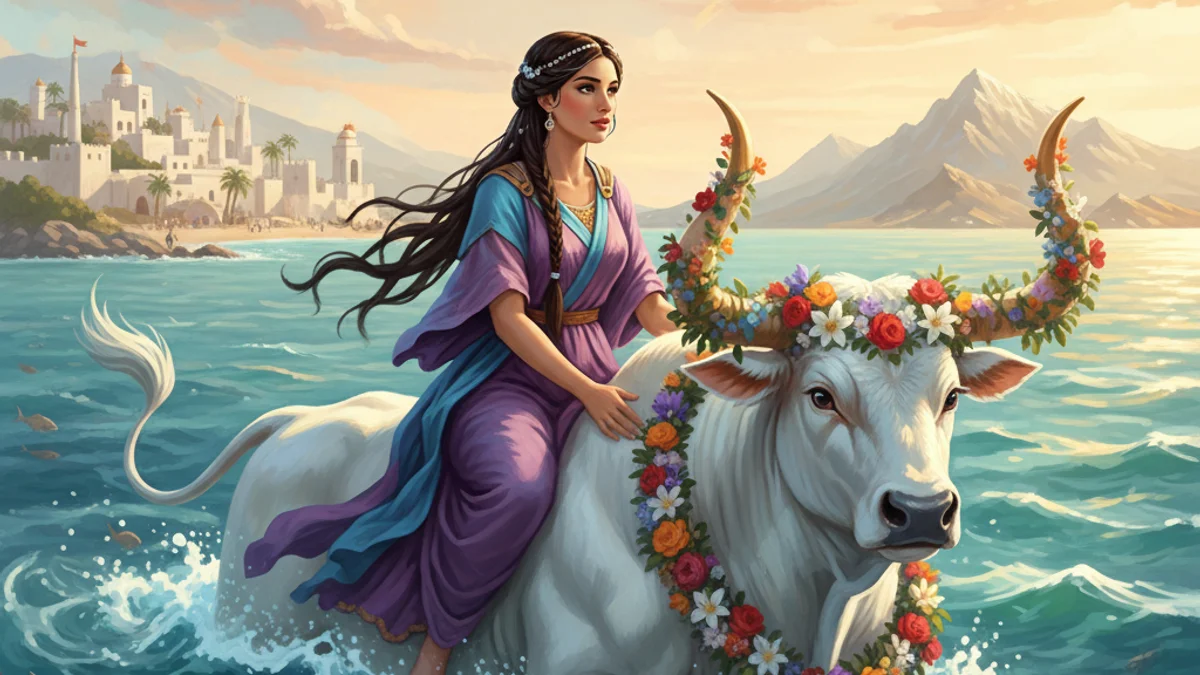
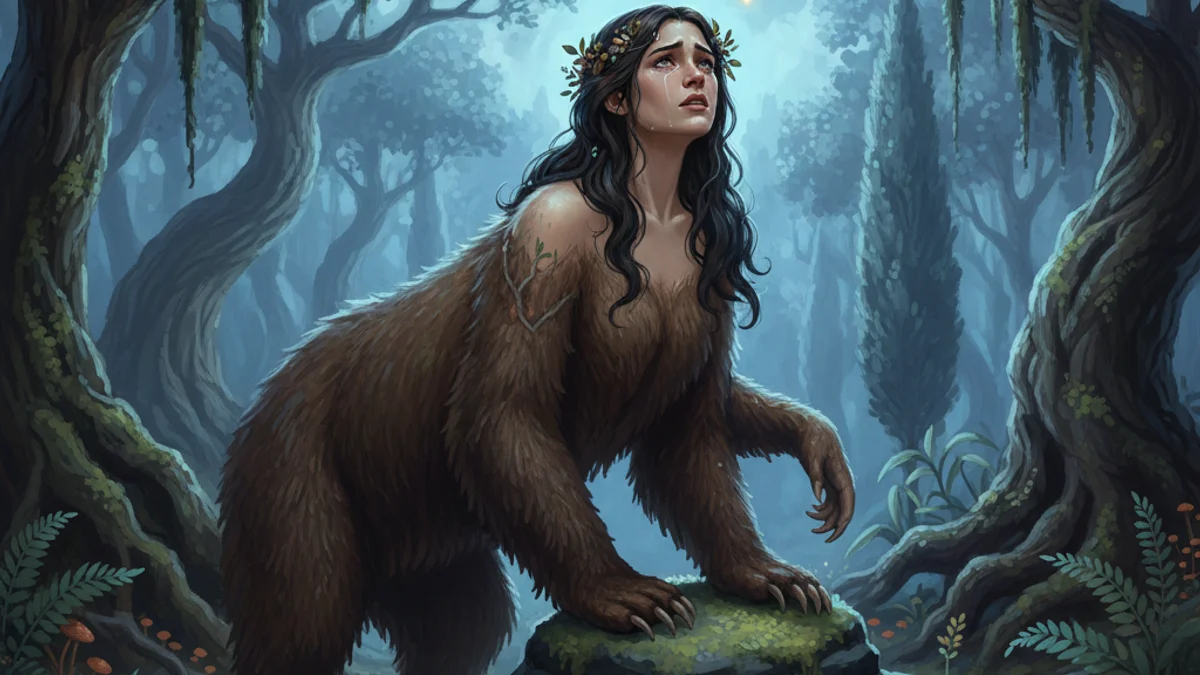
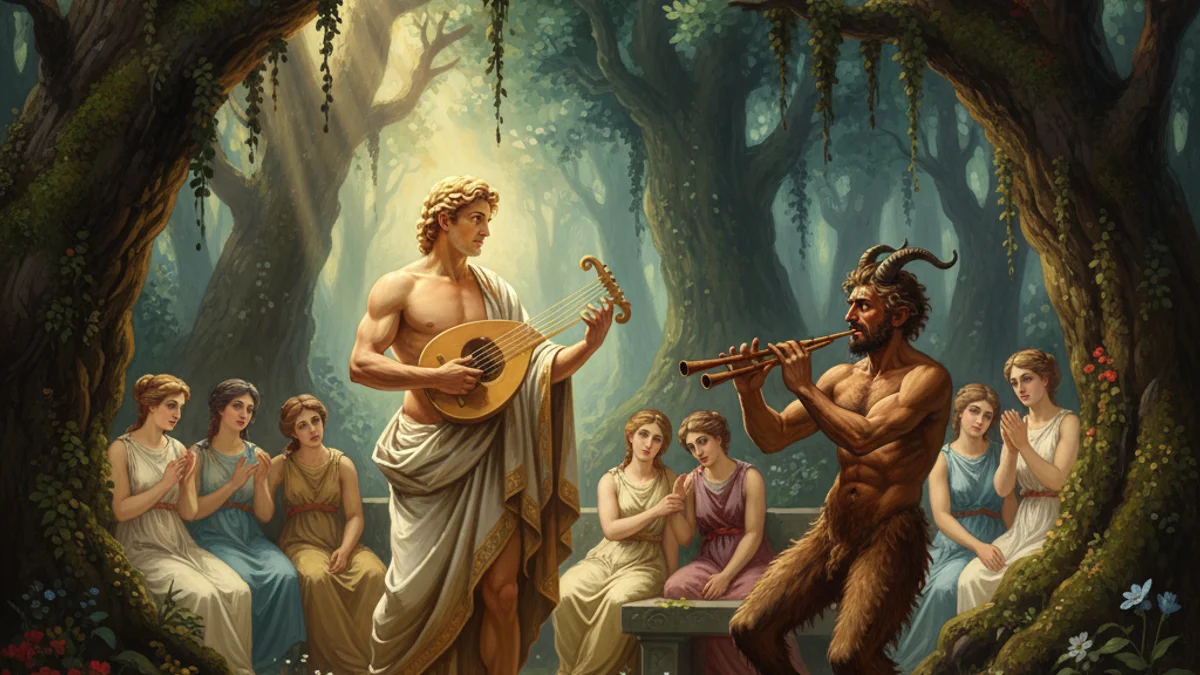
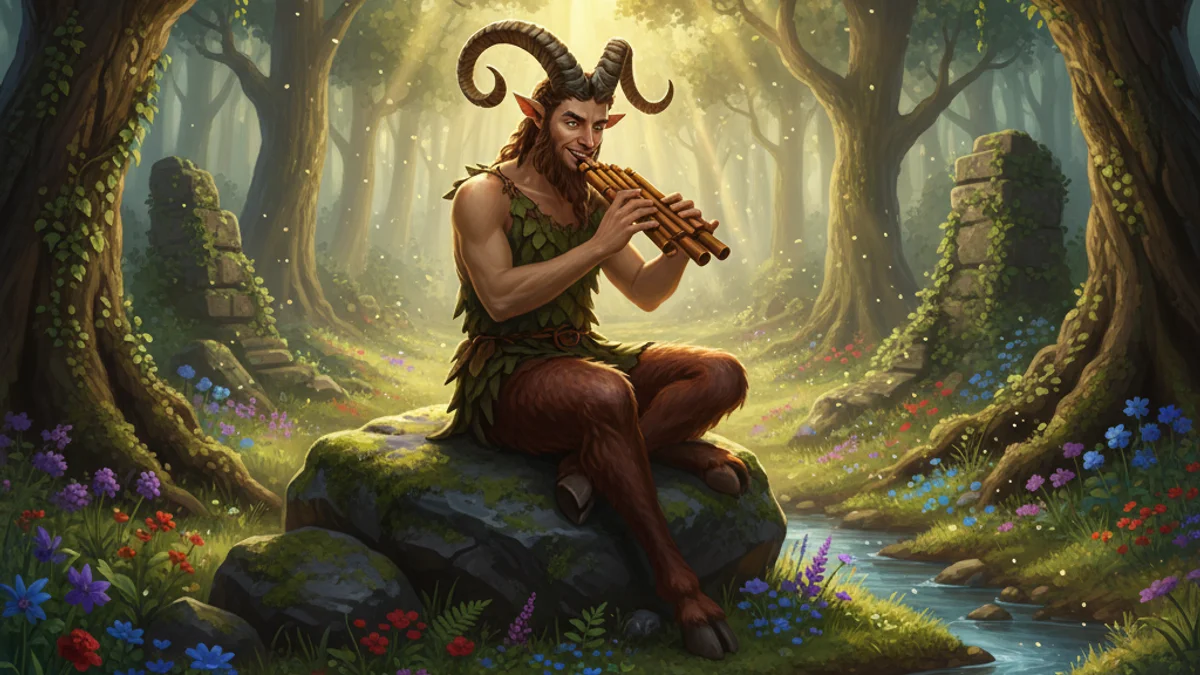
Pan was born with the legs, horns, and ears of a goat, a sight so startling that his own mother fled in fear. Yet, his father Hermes carried him to Olympus, where his merry spirit delighted the gods. Pan chose the rugged wilds of Arcadia over the golden halls of the heavens, becoming the protector of shepherds and flocks. He was a master of the rustic music, though his heart was often heavy with unrequited love. When the nymph Syrinx turned into hollow reeds to escape his pursuit, Pan sighed in grief, and the wind through the reeds created a haunting melody. He fashioned these into the first panpipes, or syrinx. While he could be gentle, his sudden, earth-shaking shouts could strike 'panic' into the hearts of any who disturbed the peace of the woods. Pan remains the personification of nature’s raw, untamed, and vibrant energy.
The Moral
True spirit and joy are found in embracing one's nature, even when it does not fit the conventional standards of beauty.
“In the rustle of the reeds and the shadows of the woods, the song of the wild god never truly fades.”
Fun Fact
Pan is the only Greek god whose death was famously reported in antiquity; according to Plutarch, a sailor heard a divine voice cry out, 'Great Pan is dead!'
Frequently Asked Questions
What is the moral of Pan the Goat God?
The story teaches that nature is inherently wild and beauty can be found in unconventional forms. It also highlights how loss can be transformed into art, as seen with the creation of the panpipes.
How did Pan get his panpipes?
Pan pursued the nymph Syrinx, who prayed to be saved and was transformed into marsh reeds. Pan then cut the reeds into different lengths and bound them together to create the musical instrument named after her.
What is the origin of the word 'panic'?
The word 'panic' is derived from Pan’s name. It refers to the sudden, groundless fear he could instill in humans and animals by letting out a terrifying shout in the silence of the woods.
Who were the parents of Pan?
In the most common versions of the myth, Pan is the son of Hermes, the messenger god, and a nymph named Dryope or Penelope. His appearance was so unusual that his mother was initially frightened of him.
Is Pan considered one of the twelve Olympians?
No, Pan is a rustic deity rather than an Olympian. He preferred the earthly forests and mountains of Arcadia to the formal palace of Zeus on Mount Olympus.
What does Pan symbolize in mythology?
Pan symbolizes the untamed wild, fertility, and the rustic music of the countryside. In later philosophy, he came to represent 'All' (as 'pan' means all in Greek), embodying the totality of nature.
Discussion (0)
Share your thoughts on this story
No comments yet. Be the first to share your thoughts!