Story Summary
Discover the legend of Mucius Scaevola and the Fire, the Roman hero who sacrificed his hand to save Rome from the Etruscan siege of King Lars Porsena.
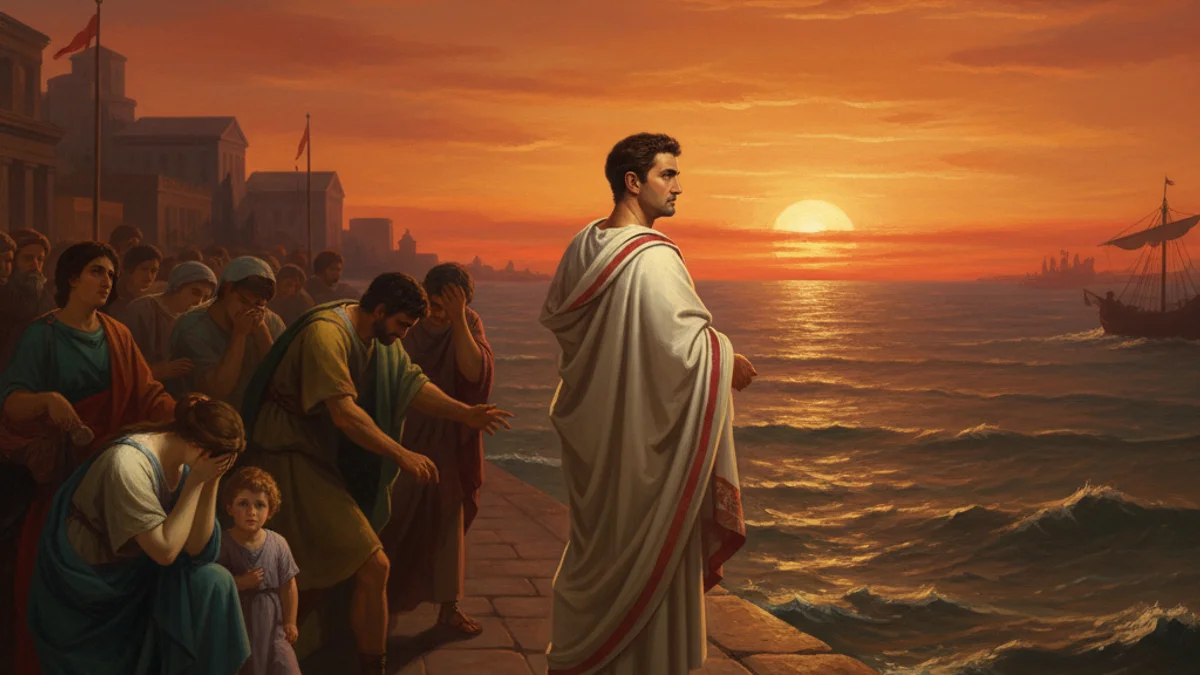
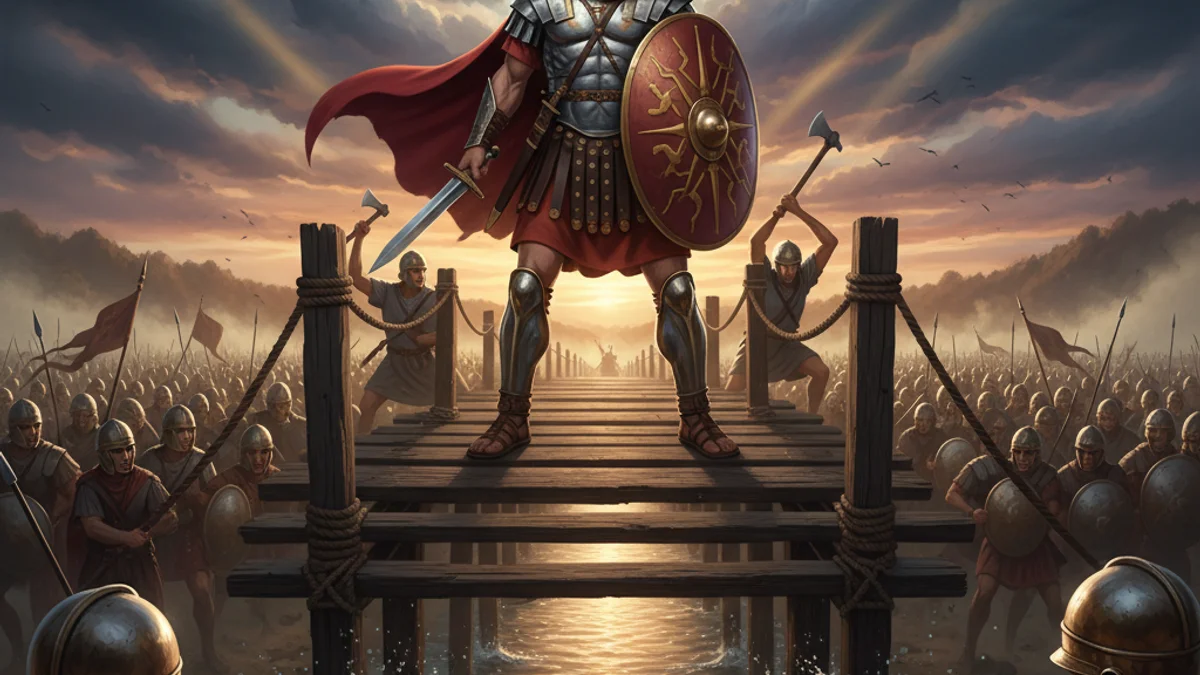
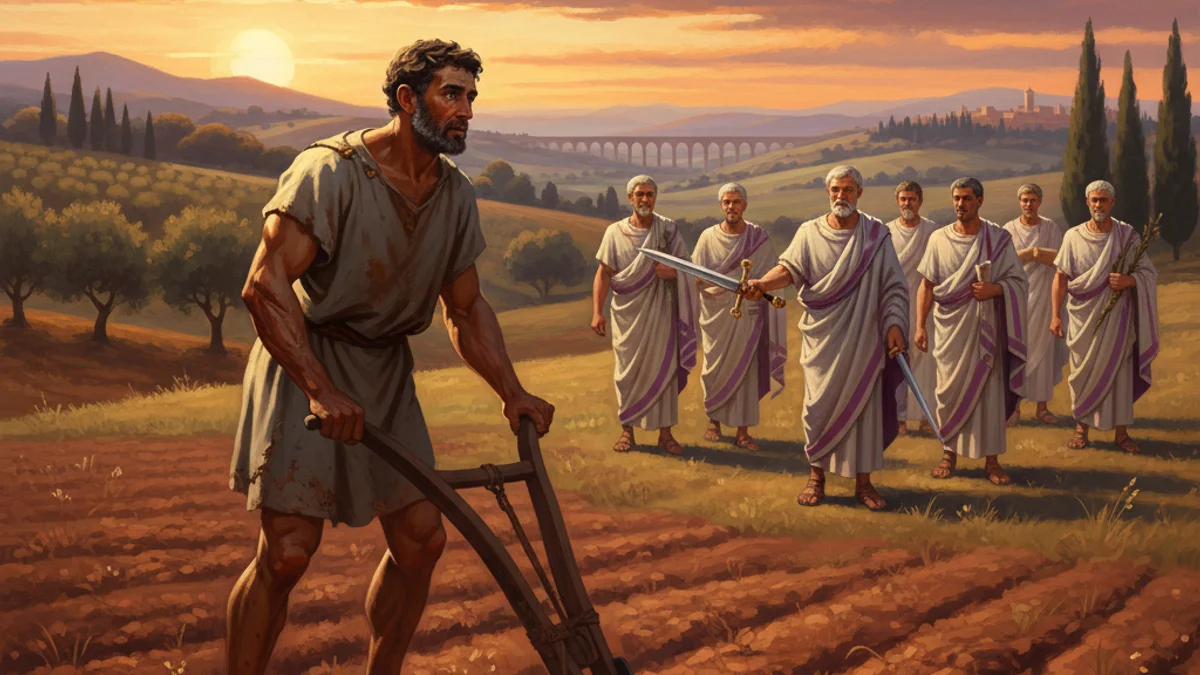
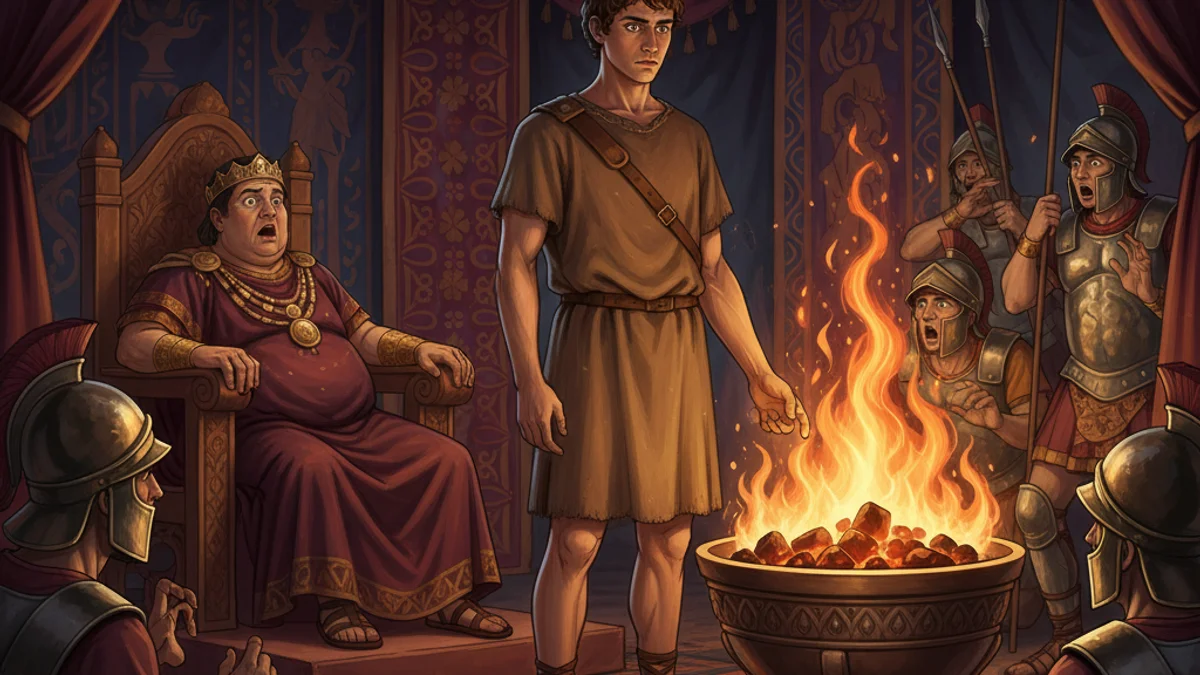
During the siege of Rome by the Etruscan king Lars Porsena, a young Roman named Gaius Mucius volunteered to infiltrate the enemy camp and assassinate the king. Disguised as a soldier, he entered the royal tent but mistakenly killed the king’s secretary instead of Porsena himself. Immediately captured and brought before the king, Mucius was threatened with being burned alive if he did not reveal his accomplices. In a legendary display of defiance, Mucius declared that he was but one of three hundred Roman youths sworn to this task. To prove his indifference to pain, he thrust his right hand into a sacrificial fire and held it there until it was consumed, never showing a flicker of agony. Stunned by such indomitable spirit, Porsena released him and sought peace, realizing Rome could never be conquered. Mucius returned a hero and was thereafter known as 'Scaevola,' meaning 'left-handed.'
The Moral
True strength is found in the mastery of one's own spirit and the willingness to sacrifice oneself for the greater good of the community.
“Behold, so that you may know how little their bodies are prized by those who have their eyes set upon glory.”
Fun Fact
The story was recorded by the Roman historian Livy as a prime example of 'virtus,' the Roman ideal of bravery, stoicism, and duty to the state.
Frequently Asked Questions
What is the moral of Mucius Scaevola and the Fire?
The story teaches that true power lies in one's spirit and devotion to a cause. By demonstrating total self-control and sacrifice, Mucius intimidated a powerful enemy more effectively than a weapon could.
Who was Lars Porsena?
Lars Porsena was the Etruscan king of Clusium who led an army against Rome to restore the exiled Tarquin dynasty. He is famous for witnessing Mucius's bravery and eventually making peace with the Romans.
Why did Mucius Scaevola stick his hand in the fire?
He did it to show King Porsena that Romans did not fear physical pain or death when defending their city. This act of defiance proved that there were hundreds of others like him ready to die for Rome.
What does the name Scaevola mean?
'Scaevola' is a Latin cognomen meaning 'left-handed.' It was given to Gaius Mucius because he lost the use of his right hand in the fire and had to use his left thereafter.
Was Mucius Scaevola a real person?
Historians generally consider the story to be a foundational myth rather than a literal historical event. It served to inspire Roman citizens with the values of 'virtus' and patriotic sacrifice.
How did Mucius Scaevola's actions save Rome?
His action terrified the Etruscan king, who realized the Romans were so committed to their liberty that they could not be intimidated. This led Porsena to withdraw his siege and negotiate a peace treaty.
Discussion (0)
Share your thoughts on this story
No comments yet. Be the first to share your thoughts!