Story Summary
Explore the prophecy of Loki's Children. From Fenrir to Hel, discover how Odin's fear of these monstrous offspring shaped the tragic fate of the Norse gods.
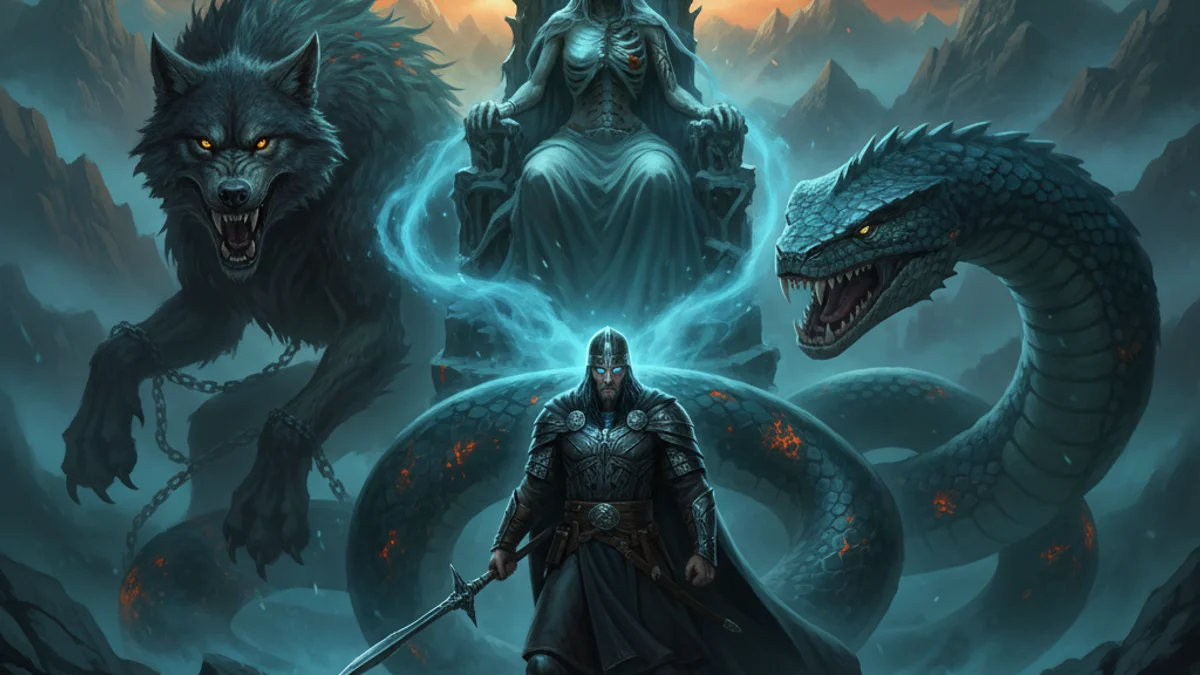
Deep in the Ironwood, Loki sired three monstrous children with the giantess Angrboda: the wolf Fenrir, the world-serpent Jörmungandr, and Hel, who was half-living and half-dead. Prophecies warned that these offspring would one day bring about the destruction of the Aesir. Seeking to avert this fate, Odin cast Jörmungandr into the deep ocean where he grew to encircle the world, and banished Hel to rule the realm of the dishonored dead. The wolf Fenrir, however, was kept in Asgard. As he grew to a terrifying size, the gods feared him and attempted to bind him with magical chains. It was only through the sacrifice of Tyr’s hand and the creation of the magical ribbon Gleipnir that Fenrir was finally restrained. Yet, the gods' attempts to stifle these creatures only ensured their vengeance would be absolute when Ragnarok finally arrived.
The Moral
Trying to avert destiny through cruelty or suppression often creates the very disaster one hopes to avoid.
“Fate is a thread that cannot be cut, only woven into the tragedy of the end.”
Fun Fact
Despite being monsters, Loki's children are technically part of the family tree that leads to the end of the universe, and Hel is one of the few beings Odin cannot fully control.
Frequently Asked Questions
What is the moral of Loki's Children?
The story teaches that fate cannot be outrun and that fear-driven actions often accelerate a downfall. By mistreating Loki's children to prevent a prophecy, the gods guaranteed their own destruction at Ragnarok.
Who are Loki's three monstrous children?
Loki's children with the giantess Angrboda are Fenrir the giant wolf, Jörmungandr the Midgard Serpent, and Hel, the queen of the underworld. Each represents a different aspect of the chaos that eventually ends the world.
Who is the mother of Loki's children?
The mother is the giantess Angrboda, who lived in the Ironwood of Jotunheim. She is often depicted in Norse mythology as a powerful sorceress and a 'bringer of grief.'
How was Fenrir the wolf finally bound?
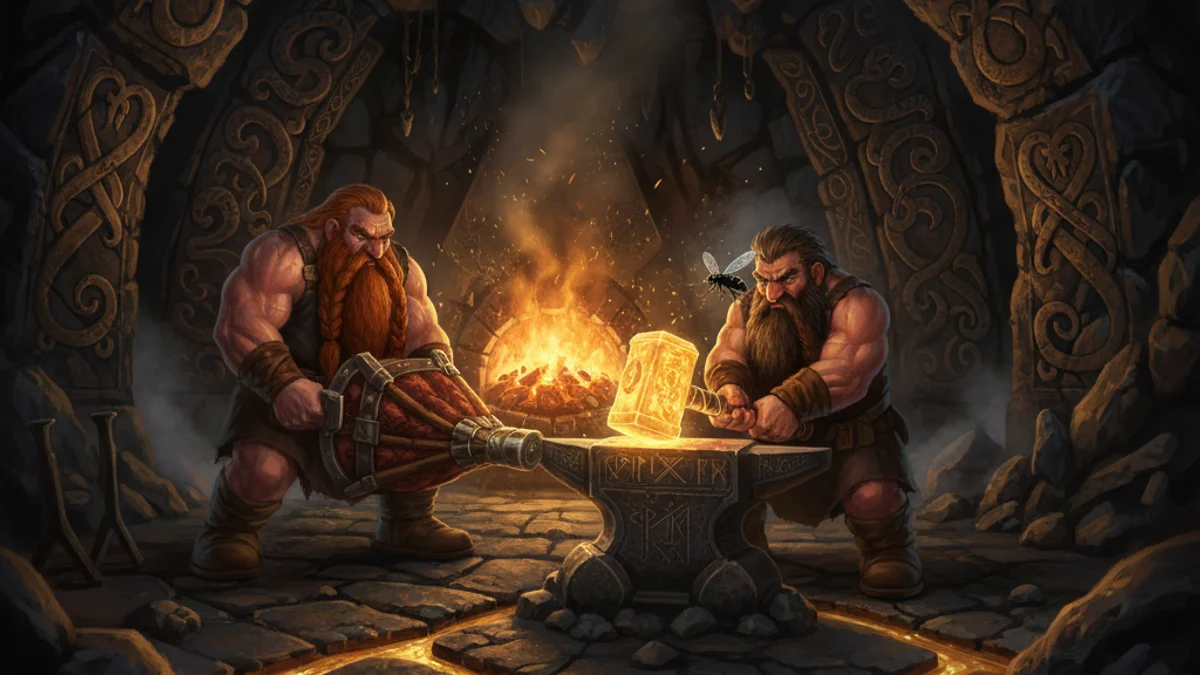
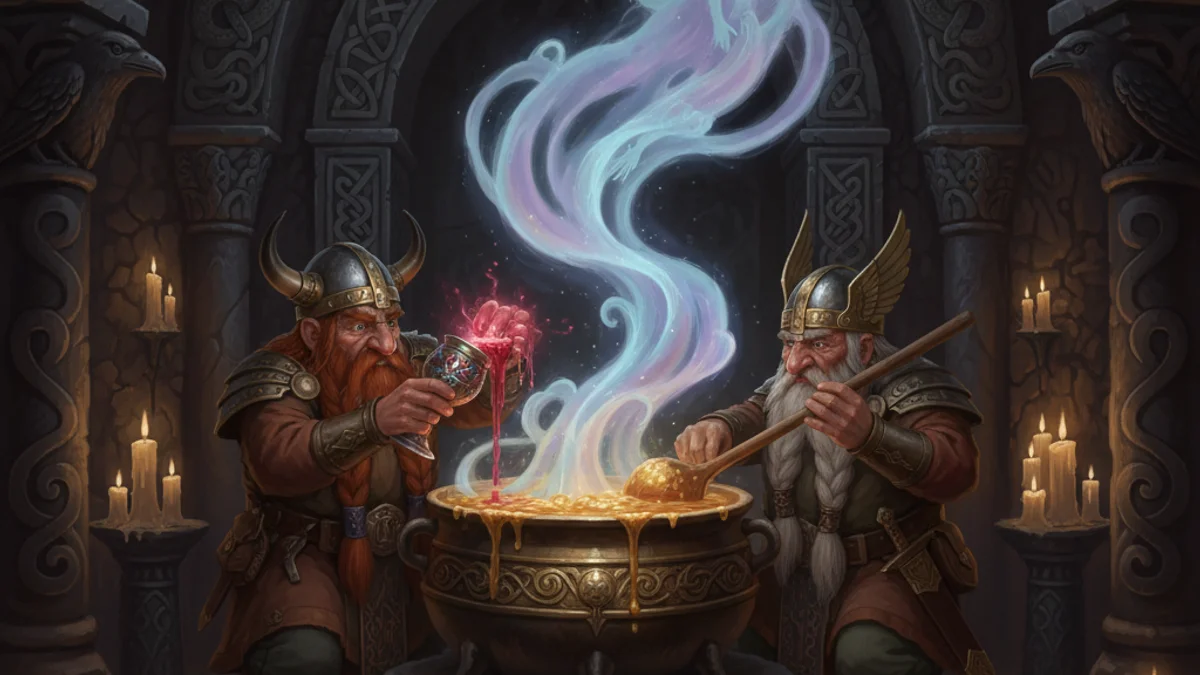
The gods used a magical ribbon called Gleipnir, crafted by dwarves from impossible ingredients like the breath of a fish. Fenrir only agreed to be bound if the god Tyr placed his hand in the wolf's mouth as a sign of good faith.
What happened to Jörmungandr?
Odin cast the serpent into the great sea surrounding Midgard. The creature grew so enormous that it eventually bit its own tail, encircling the entire human world and holding the oceans in place.
What is Hel's domain in Norse mythology?
Odin appointed Hel as the ruler of Helheim, where she presides over the souls of those who did not die in battle. Her realm is a cold, misty place reserved for those who died of old age or sickness.
Discussion (0)
Share your thoughts on this story
No comments yet. Be the first to share your thoughts!