Story Summary
Discover the legendary rivalry of Takeda Shingen and Uesugi Kenshin. Explore their epic battles at Kawanakajima and the noble code of the Tiger and the Dragon.
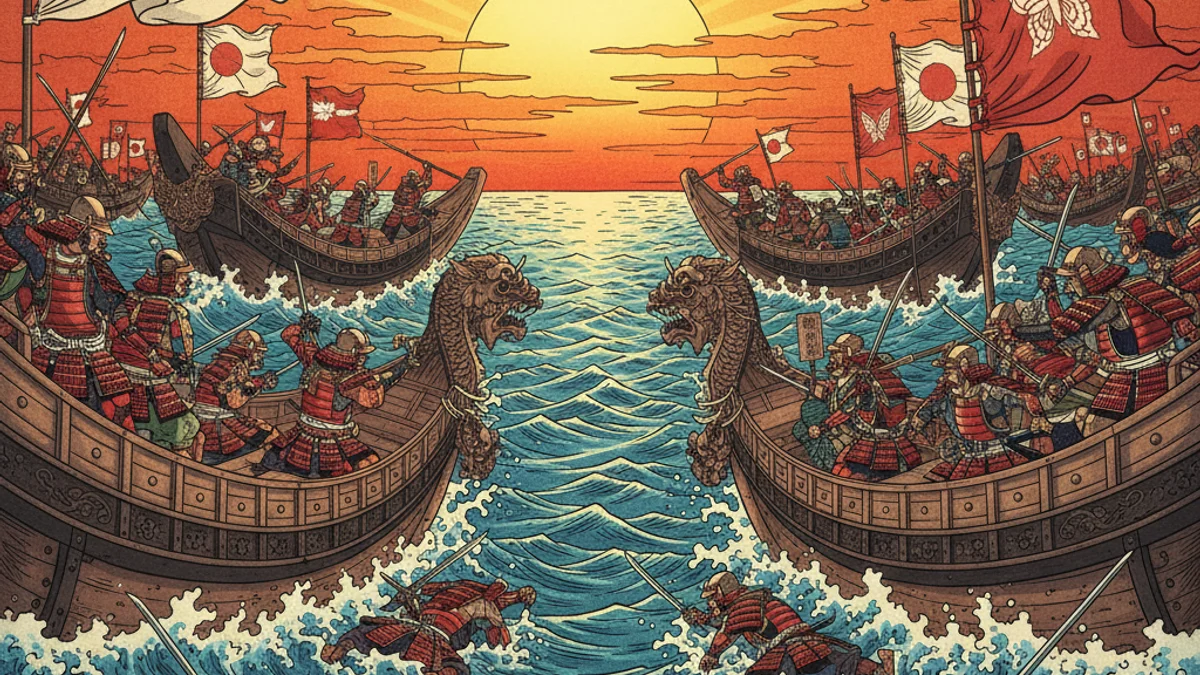
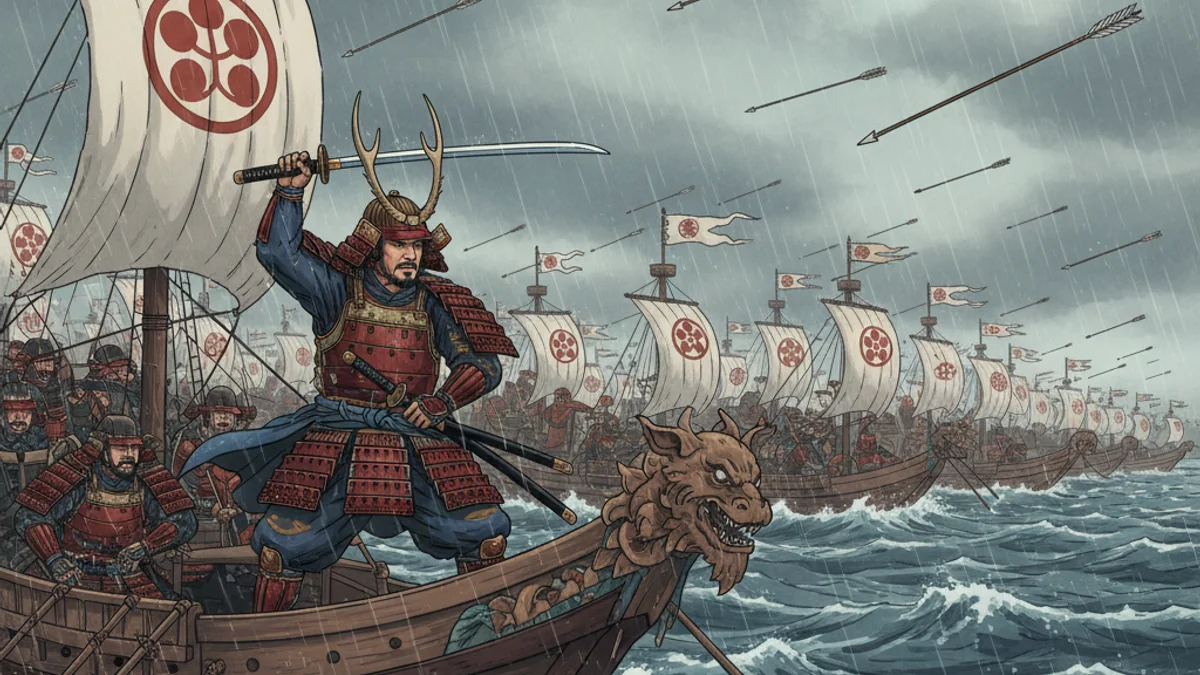
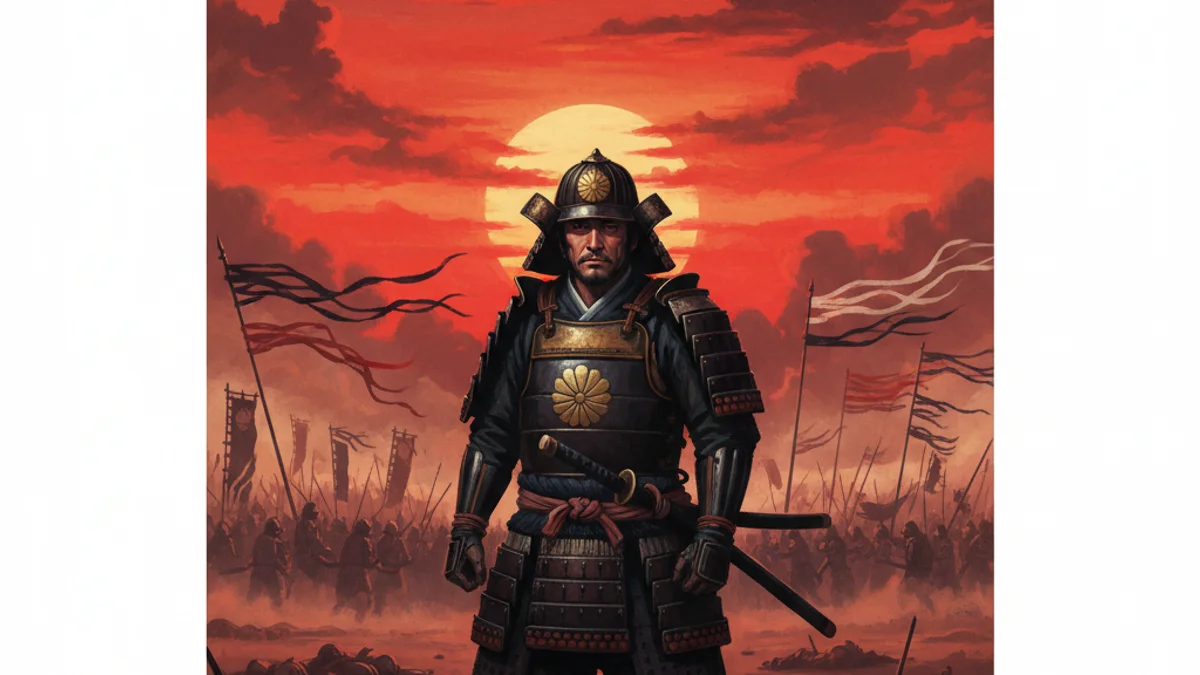
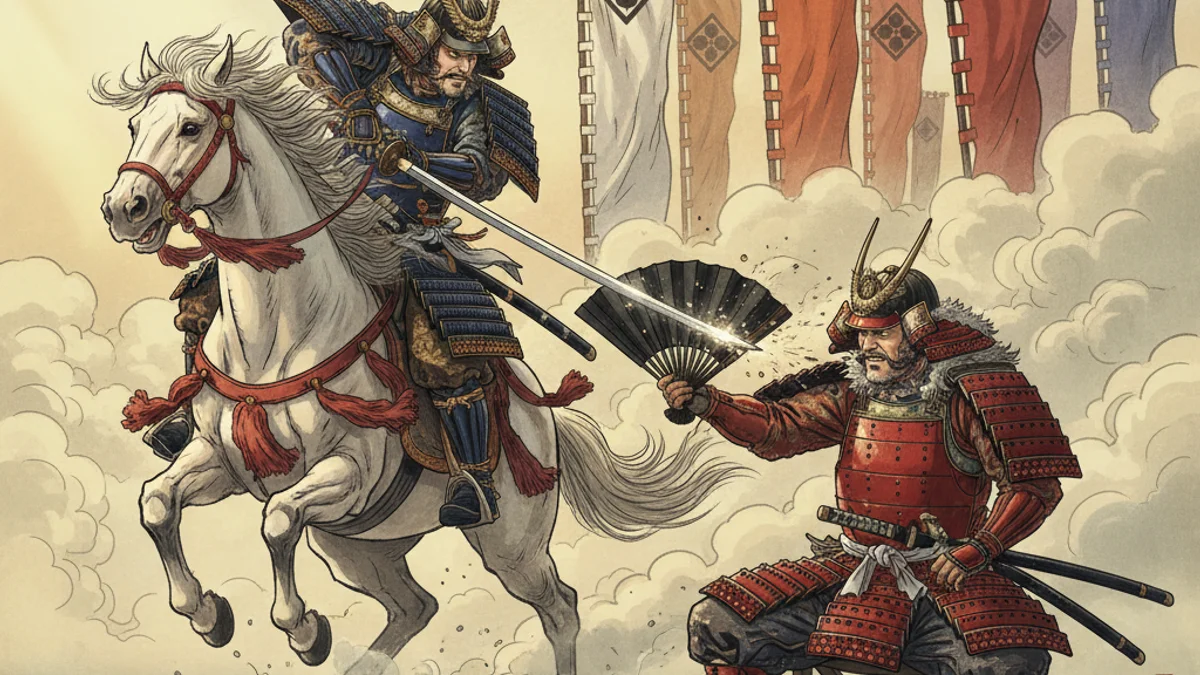
In the Sengoku period of Japan, two warlords stood above all others: Takeda Shingen, the 'Tiger of Kai,' and Uesugi Kenshin, the 'Dragon of Echigo.' For over a decade, they met on the plains of Kawanakajima in a series of legendary battles that tested the limits of samurai strategy and spirit. Their most famous encounter occurred during the Fourth Battle of Kawanakajima. Kenshin, cloaked in a white monk's cowl, broke through Shingen's lines and charged directly into the command tent. He swung his katana at Shingen, who was seated and unarmed. With nerves of steel, Shingen used only his heavy iron war fan to deflect the lethal blows until his guards could intervene. Yet, their rivalry was defined by more than just combat. When Shingen’s supplies were cut off by other clans, Kenshin famously sent salt to his starving enemy, stating he fought with the sword, not with hunger. Their mutual respect was so profound that when Shingen eventually passed away, Kenshin wept, mourning the loss of his greatest rival, whom he considered his most worthy equal in honor and skill.
The Moral
True greatness is found in respecting your rivals and maintaining your integrity even in the heat of competition.
“I do not fight with salt, but with the sword.”
Fun Fact
The 'Salt Story' is the origin of the Japanese proverb 'to send salt to an enemy,' which means to help a rival in a non-competitive way for the sake of fairness.
Frequently Asked Questions
What is the moral of Takeda Shingen and Uesugi Kenshin?
The story teaches that honor and mutual respect are more important than victory. It highlights that a worthy opponent should be treated with dignity, even in conflict.
Did Takeda Shingen or Uesugi Kenshin win their wars?
Their five major battles at Kawanakajima were largely indecisive, with neither side able to fully conquer the other. This stalemate contributed to their legendary status as perfectly matched rivals.
What is the 'Salt Story' between Shingen and Kenshin?
When the Hojo and Imagawa clans stopped salt shipments to Shingen's landlocked province, Kenshin sent salt from his own shores. He believed it was dishonorable to win by starving a province rather than through martial skill.
Why are they called the Tiger and the Dragon?
In Japanese mythology, the Tiger and Dragon are eternal rivals of equal power. Shingen was the Tiger of Kai and Kenshin was the Dragon of Echigo, symbolizing their balanced strength.
How did Shingen defend himself against Kenshin's sword?
According to legend, Shingen was caught off guard in his command tent and used his 'tessen,' or iron war fan, to block Kenshin's sword strikes until his bodyguards arrived.
How did Uesugi Kenshin react to Shingen's death?
Despite being rivals for twenty years, Kenshin reportedly cried at the news of Shingen's death and ordered a three-day period of mourning in his own territories to honor his foe.
Discussion (0)
Share your thoughts on this story
No comments yet. Be the first to share your thoughts!