

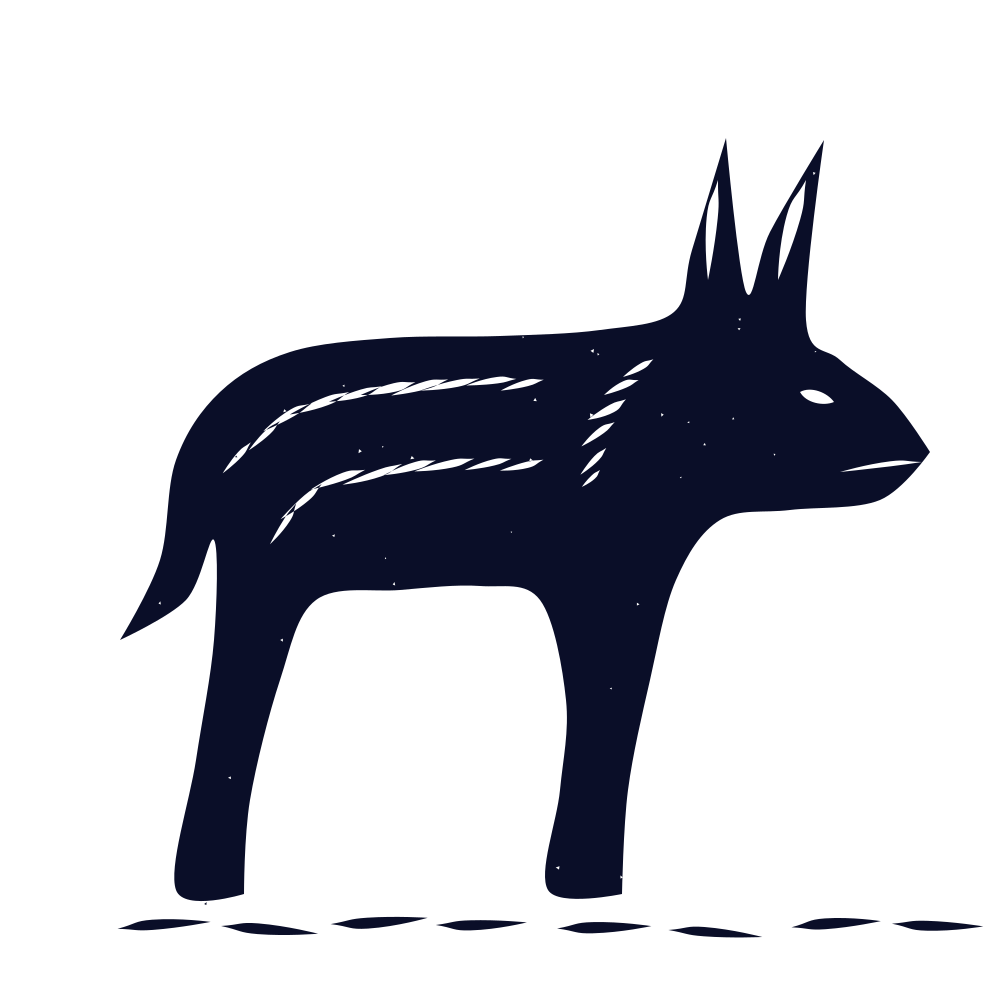
A hare was always boasting about how fast he could run. He laughed at the tortoise for being so slow.
"Do you ever get anywhere?" he asked with a grin.
"Yes," said the tortoise, "and I get there sooner than you think. I will race you to prove it."
The hare thought this was the funniest thing he had ever heard. All the animals gathered, and the fox marked out the course.
The hare shot ahead and was soon far out of sight. To show how little he thought of the tortoise, he lay down under a shady tree. "I will have a short nap," he said. "I can easily catch up."
The tortoise plodded on. He never stopped and he never hurried. One foot followed the other, on and on, past the sleeping hare and up the long road.
When the hare woke, the sun was low in the sky. He raced for the finish line as fast as his legs could carry him, but it was too late. The tortoise was already there, resting quietly, while the animals cheered.
Slow and steady wins the race.
Discussion questions
- Why did the Hare stop to rest during the race?
- What does the Tortoise do that the Hare does not?
- When is it better to go slowly and carefully than to rush?
Questions about this fable
What is the moral of The Tortoise and the Hare?
The lesson is that persistence and steady effort often outperform quickness combined with arrogance. It teaches that consistency is the key to achieving long-term success.
Who wrote The Tortoise and the Hare?
This fable is traditionally attributed to Aesop, an ancient Greek storyteller. It has been passed down through centuries as part of his collection of moral lessons for children.
Why did the Hare lose the race?
The Hare lost because of his overconfidence and laziness. He believed his speed made it impossible to lose, so he took a nap, allowing the Tortoise to overtake him.
Is The Tortoise and the Hare a real story?
No, it is a fictional fable featuring anthropomorphic animals to teach a human moral. It is part of a literary tradition used to educate people on virtues like humility.
Advertisement
Good night.
Tomorrow night: The Fox and the Crane
