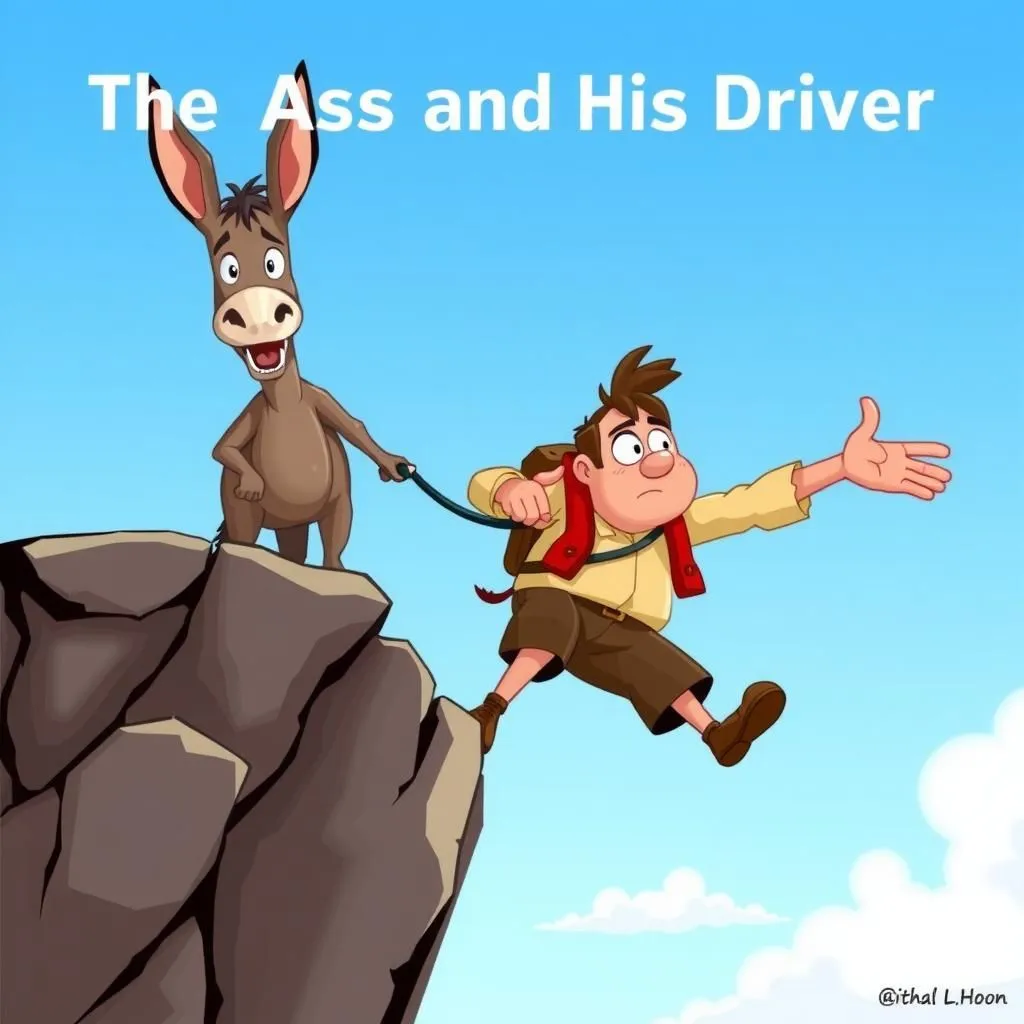
In "The Ass and His Driver," a stubborn donkey bolts toward a precipice, prompting its owner to intervene. Despite his efforts, the donkey's obstinacy leads the owner to let go, warning that the donkey will face the consequences of its choices. This concise moral story highlights how willful individuals often pursue their own paths, regardless of the risks, making it a thought-provoking quick read with a clear moral lesson.
The moral of the story is that stubbornness can lead to one's own downfall.
This story echoes themes found in Aesop's Fables, a collection of moral tales attributed to the ancient Greek storyteller Aesop, who lived around the 6th century BCE. The fable illustrates the consequences of stubbornness and the futility of resisting wise guidance, reflecting the cultural values of ancient Greece that emphasized self-control and the importance of heeding advice. Variants of this tale have appeared in various cultures, often highlighting the folly of obstinacy and the lessons learned through experience.
This fable reflects the consequences of stubbornness and the importance of recognizing when to let go of someone who refuses to listen to reason. In modern life, a scenario could involve a friend who continually makes poor financial decisions despite your advice; ultimately, you may have to step back and allow them to face the repercussions of their choices, understanding that sometimes people must learn through their own experiences, even if it comes at a cost.

In the engaging moral tale "The Ass and the Old Shepherd," a shepherd warns his lazy Ass about an approaching enemy, but the Ass dismisses the danger, claiming that a change in leadership won't improve his burdens. This well-known moral story illustrates that for the oppressed, a shift in power often leads to no real change in their lives, reflecting the sentiment that the poor merely exchange one master for another. Ultimately, it serves as an entertaining reminder that the struggles of the underprivileged remain constant, regardless of who rules.

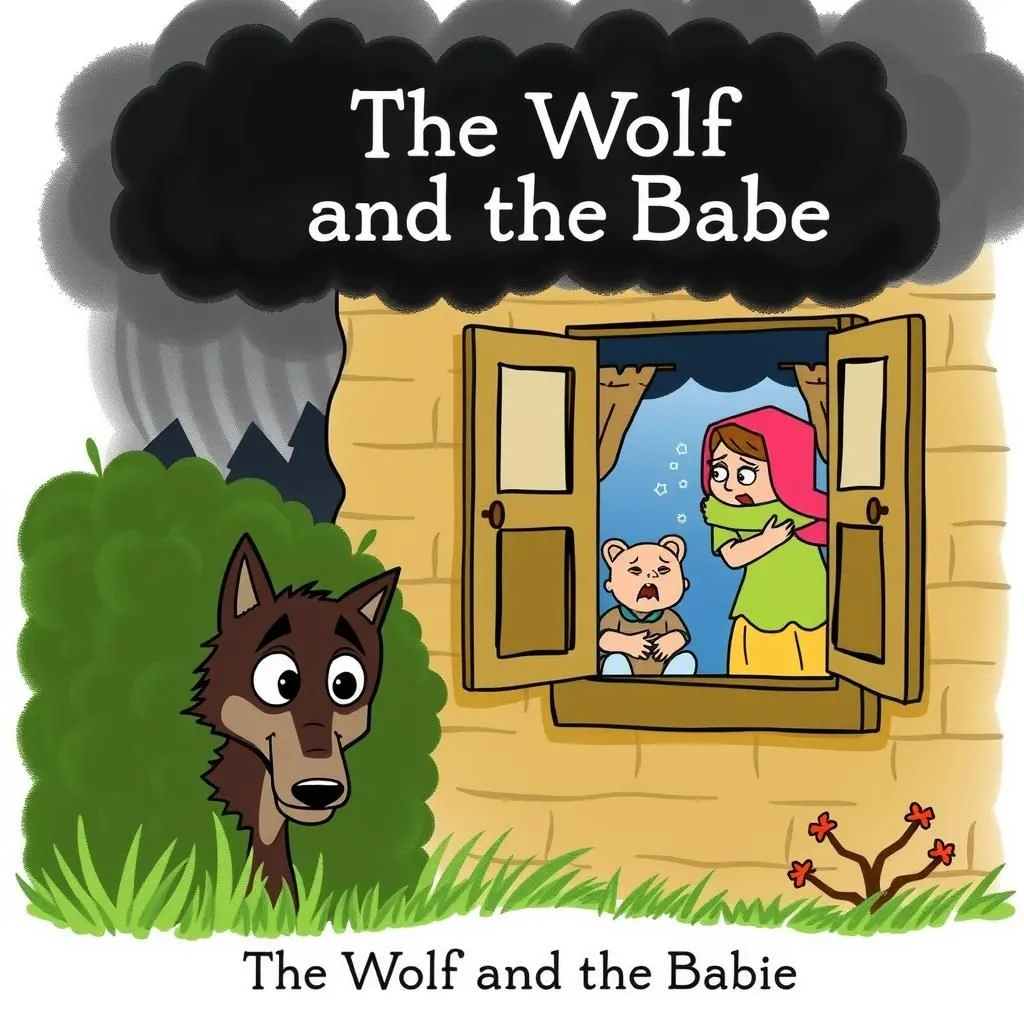
In the short story "The Wolf and the Babe," a famishing wolf eavesdrops on a mother threatening to toss her child out the window to silence him, hoping for a chance to feast. However, as the day passes, it is the father who returns home and discards both the mother and child instead. This engaging moral tale highlights the unexpected twists of fate and the simple lessons from stories about the consequences of neglect and cruelty.

In the unique moral story "The Ass's Brains," a Lion and a Fox deceive an Ass into a meeting under the pretense of forming an alliance, leading to the Lion capturing the Ass for dinner. While the Lion naps, the cunning Fox eats the Ass's brains and cleverly justifies his actions by claiming the Ass must have been brainless for falling into the trap. This tale, often included in top 10 moral stories, teaches valuable lessons about wit and the consequences of naivety, making it a fitting narrative for moral stories for class 7.
The Willful Ass, A Lesson in Folly, The Cost of Defiance, The Reckless Journey, The Ass's Downfall, Tails of Wisdom, The Precipice of Choice, The Stubborn Path
This fable illustrates the theme of willfulness and the consequences of stubbornness, emphasizing that those who refuse to heed warnings may ultimately face self-inflicted harm. The phrase "Conquer, but conquer to your cost" serves as a poignant reminder that pursuing one's desires without consideration can lead to disastrous outcomes.
Get a new moral story in your inbox every day.