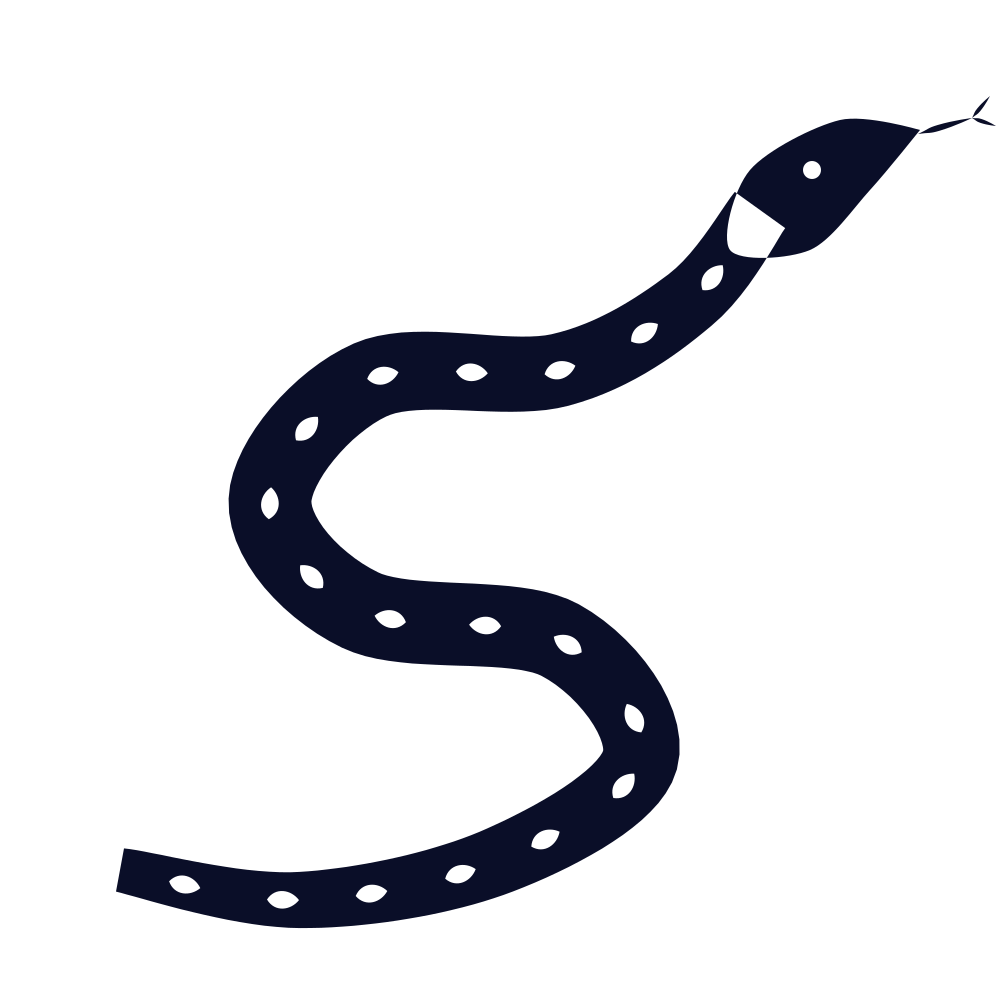

Thor, the God of Thunder, once disguised himself as a young man to visit the giant Hymir. Seeking to prove his prowess, Thor insisted they go fishing. Despite Hymir's skepticism, Thor rowed their boat far into the deep ocean, well past the giant's usual spots. Using the head of Hymir’s largest ox as bait, Thor cast his heavy line. Deep beneath the waves, Jörmungandr, the world-encircling Midgard Serpent, took the bait. A violent struggle ensued; Thor’s feet crashed through the bottom of the boat as he strained to pull the monster up. Just as the serpent’s venomous head broke the surface and Thor raised Mjölnir to strike, a terrified Hymir cut the fishing line. The beast sank back into the depths, escaping a premature death. Thor, enraged, threw Hymir overboard, but the serpent remained in the deep, awaiting their final meeting at Ragnarök.
Bravery and strength are formidable, but fate and the interference of others can often delay an inevitable destiny.
Questions about this story
What is the moral of Thor and the Midgard Serpent?
The story teaches that some conflicts are destined to remain unresolved until their appointed time. It also highlights how fear can disrupt even the most heroic of efforts.
Who is the Midgard Serpent in Norse mythology?
The Midgard Serpent, also known as Jörmungandr, is one of the three children of Loki and Angrboda. It grew so large that it encircles the world and bites its own tail.
Why did Thor go fishing for Jörmungandr?
Thor sought to test his legendary strength against his greatest enemy and prove his superiority over the giants. He was determined to confront the monster that threatened the stability of the world.
Did Thor kill the serpent during the fishing trip?
No, Thor did not kill the serpent during this encounter because the giant Hymir panicked and cut the line. The two are destined to kill each other during the final battle of Ragnarök.
Advertisement
Good night.
