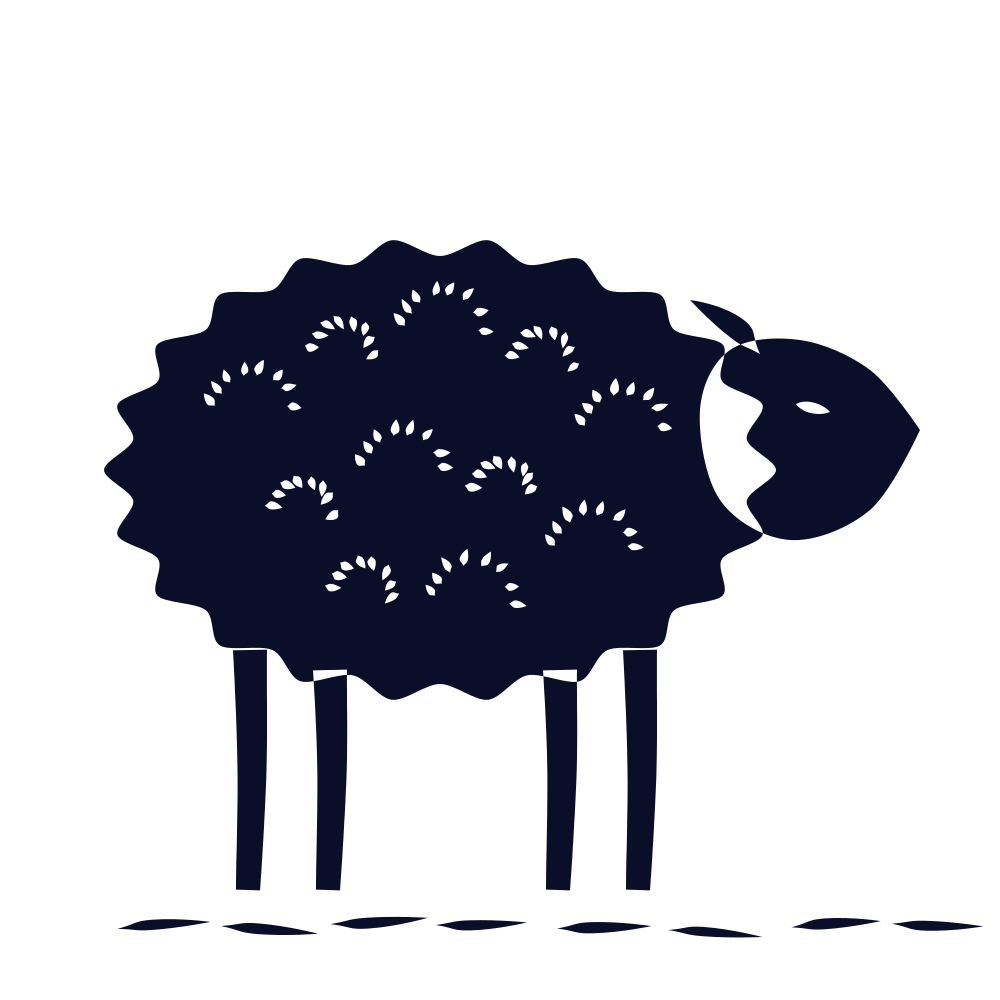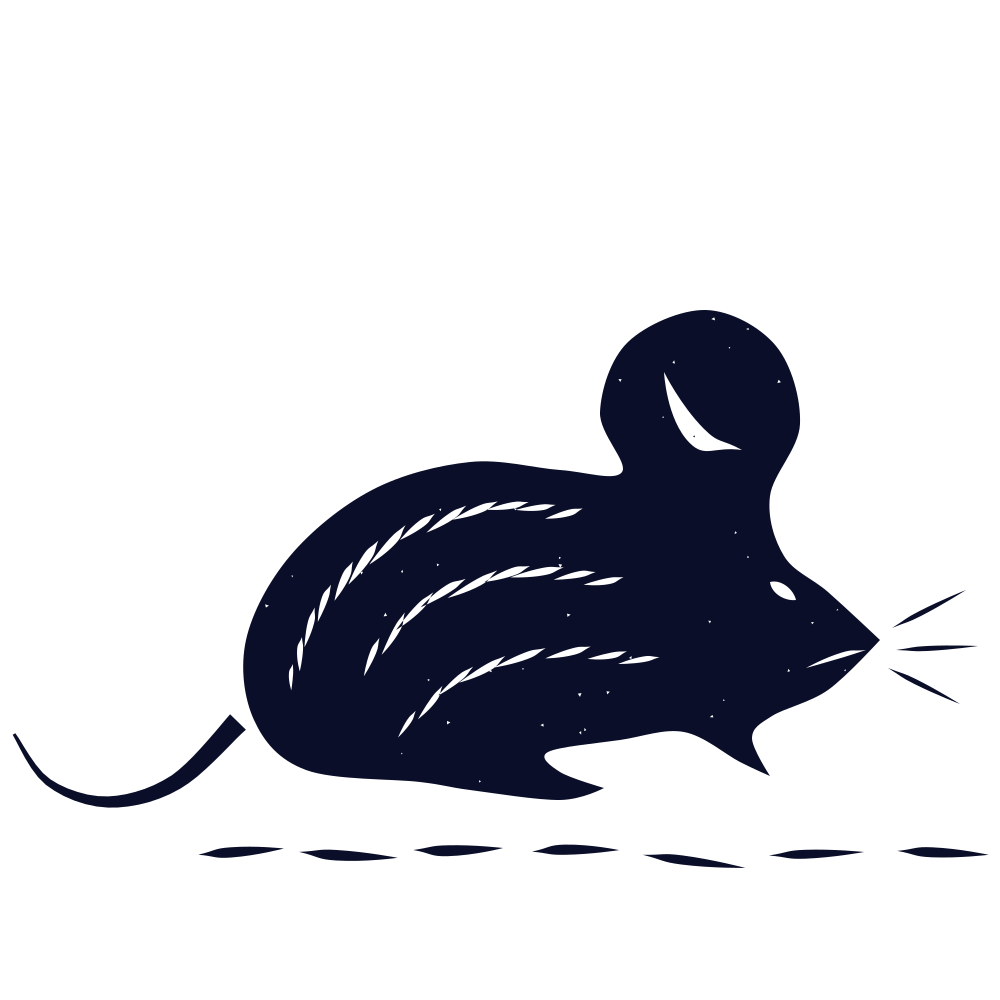

Sang Kancil, the clever mouse deer, was feeling particularly boastful about his speed. Spotting a slow-moving snail near the river, he laughed and challenged the creature to a race. The snail, knowing he could not win through speed, agreed but asked for a head start and for the race to take place along the riverbank. Secretly, the snail gathered all his friends and family, instructing them to hide in the grass at intervals along the path. On the day of the race, Kancil sprinted ahead. 'Snail, where are you?' he called out, laughing. To his shock, a voice from the grass ahead replied, 'I am here, Kancil!' Kancil ran faster and called again, only to hear the same reply further ahead. No matter how fast he ran, a snail was always in front of him. Exhausted and humbled, Kancil reached the finish line only to find the snail already there, waiting patiently. He admitted defeat, realizing that wit and unity could overcome even the swiftest legs.
Do not let arrogance cloud your judgment, as intelligence and cooperation can triumph over raw physical talent.
Advertisement
Questions about this story
What is the moral of The Mouse Deer and the Snail Race?
The story teaches that arrogance leads to overconfidence and that teamwork and cleverness can overcome physical advantages. It emphasizes that even the smallest being can outsmart the swiftest if they use their wits.
How did the snail beat the mouse deer?
The snail used teamwork by positioning many identical-looking snails along the race route. Each time the mouse deer called out to check the snail's position, a different snail hidden ahead would answer, making it appear the snail was winning.
Is Sang Kancil a real animal?
Yes, Sang Kancil is based on the mouse-deer (chevrotain), which is a small, shy ungulate found in the forests of Southeast Asia. In folklore, he is depicted as a cunning trickster.
How does this compare to The Tortoise and the Hare?
While both involve a race between a fast and slow animal, the hare loses due to laziness and napping, whereas Kancil loses because the snail actively outmaneuvers him through collective strategy and trickery.
Advertisement