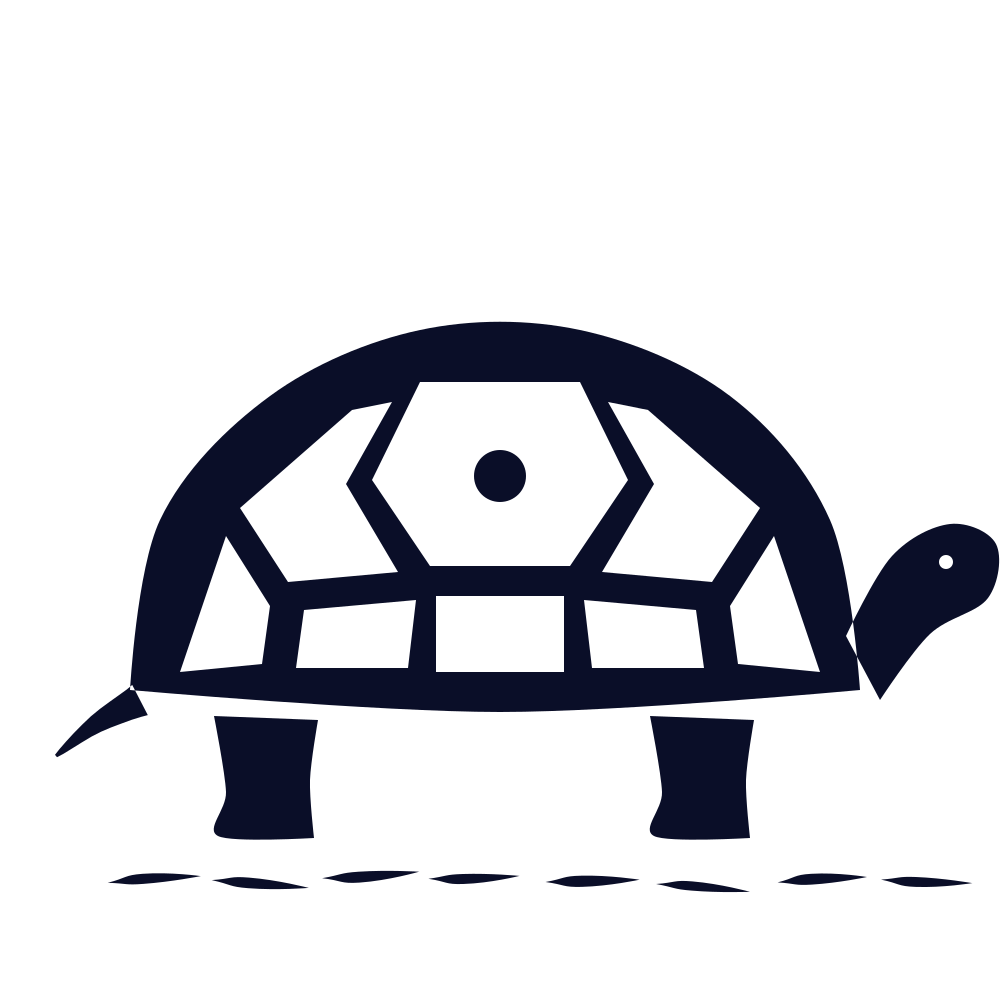

Long ago, before the world as we know it existed, there was only a vast, endless expanse of water and the wide Sky World above. The creatures of the air and water realized they needed a place to rest, for they were weary of flying and swimming. The animals held a council and decided that someone must dive to the bottom of the primordial sea to bring up a bit of earth. The powerful Beaver dived first, but the water was too deep and he returned gasping for air. The swift Otter tried next, followed by the Loon, but both failed, unable to reach the dark floor of the abyss. Finally, the tiny Muskrat stepped forward. The others laughed at his small size, but he dove anyway. He stayed under for so long the animals feared he was lost. At last, his small body floated to the surface. Though he had perished, his tiny paw was clenched tight around a speck of mud. The animals placed this mud onto the back of a Great Turtle. The earth began to grow and stretch in every direction, becoming the land we walk upon today, forever supported by the turtle beneath.
Even the smallest and humblest of beings can achieve greatness through sacrifice and determination.
Questions about this story
What is the moral of The Earth Diver?
The story teaches that size does not determine one's ability to contribute to the world. It emphasizes that persistence and courage, even in the smallest creatures, can lead to the creation of something magnificent.
Who is the main hero in the Earth Diver story?
While many animals try and fail, the Muskrat is the true hero of the tale. Despite being the smallest, he is the only one who successfully reaches the bottom of the sea to bring back the earth.
What does the turtle represent in Native American mythology?
The turtle represents the foundation of the world and the stability of the Earth. Many Indigenous cultures refer to North America as 'Turtle Island' because of this legend.
Which Native American tribes tell the Earth Diver story?
This creation myth is widespread across North America, with versions told by the Iroquois, Cherokee, Muskogean, and various Algonquian-speaking peoples. Each tribe has its own unique variations of the animals involved.
Advertisement

Good night.
