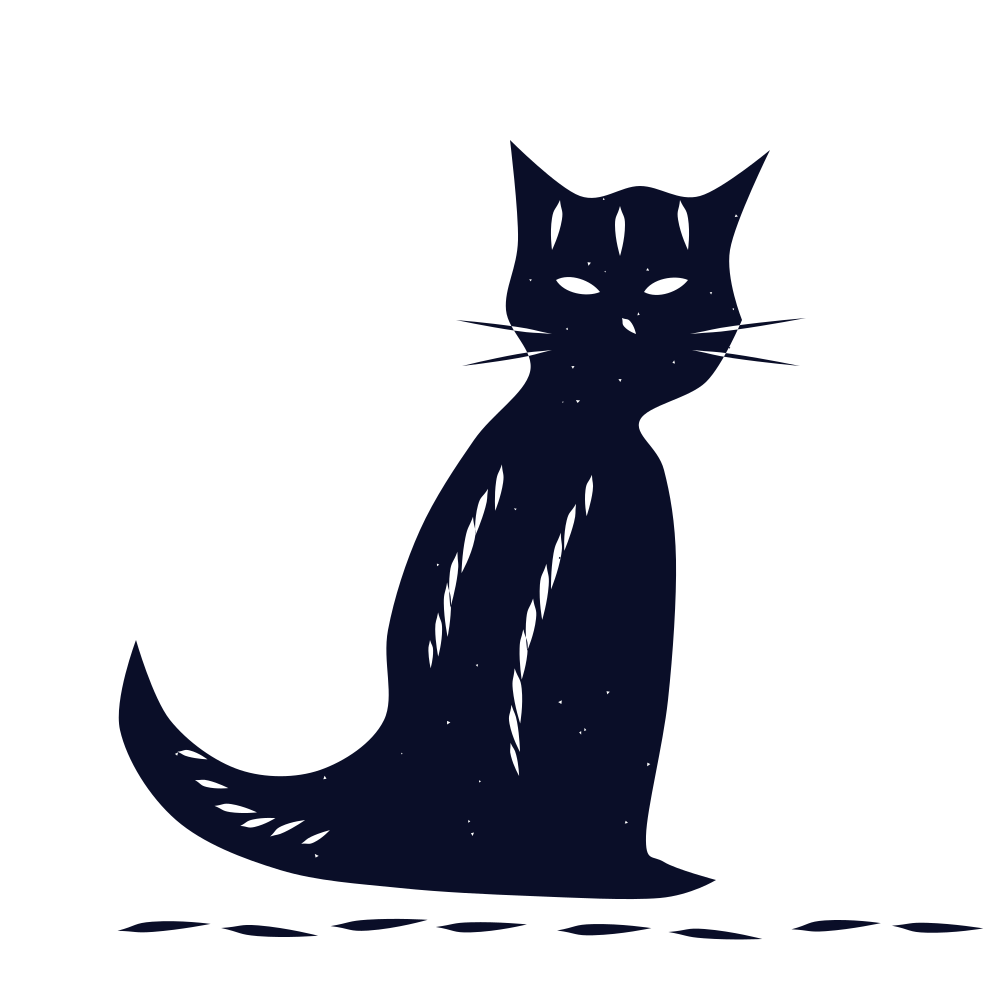

In the misty Highlands of Scotland, there dwells a creature known as the Cat Sìth—a spectral feline the size of a dog, pitch black save for a single white patch upon its breast. Far from a mere animal, it is a fairy creature that haunts the moors. On the night of Samhain, villagers would leave a saucer of milk on their doorsteps to appease the wandering spirit. Those who provided the offering found their cows blessed with overflowing milk for the coming year, while those who forgot would find their cattle's udders dry. But the Cat Sìth held a darker purpose during the 'Late Wake.' Before a body was buried, watchers would keep a constant vigil, using games and catnip to distract any feline visitors. They feared that if the Cat Sìth leaped over a corpse, it would steal the soul before the gods could claim it. Whether a harbinger of luck or a thief of spirits, the Cat Sìth remains a reminder that the veil between worlds is thin, and a small kindness can be the difference between a blessing and a curse.
Respect the unseen world and uphold traditions of hospitality, for small gestures often determine whether one receives a blessing or a misfortune.
Questions about this story
What exactly is a Cat Sìth?
The Cat Sìth is a fairy creature from Scottish and Irish folklore that resembles a large black cat with a white spot on its chest. It is believed to roam the Highlands, capable of both blessing and cursing humans.
Why did people leave milk out for the Cat Sìth?
On the night of Samhain, it was believed the Cat Sìth would pass by houses. Leaving a saucer of milk ensured the creature would bless the family's cattle; neglecting this offering led to the cows' milk drying up.
How did the Cat Sìth steal souls?
Folklore suggests that if a Cat Sìth jumped over a dead body before burial, it would claim the soul of the deceased. This led to the tradition of the 'Late Wake' to guard the body.
Is the Cat Sìth related to witches?
Yes, some legends claim that witches could transform into a Cat Sìth nine times. However, if they transformed a tenth time, they would remain a cat forever, which may be the origin of the 'nine lives' myth.
Advertisement

Good night.
