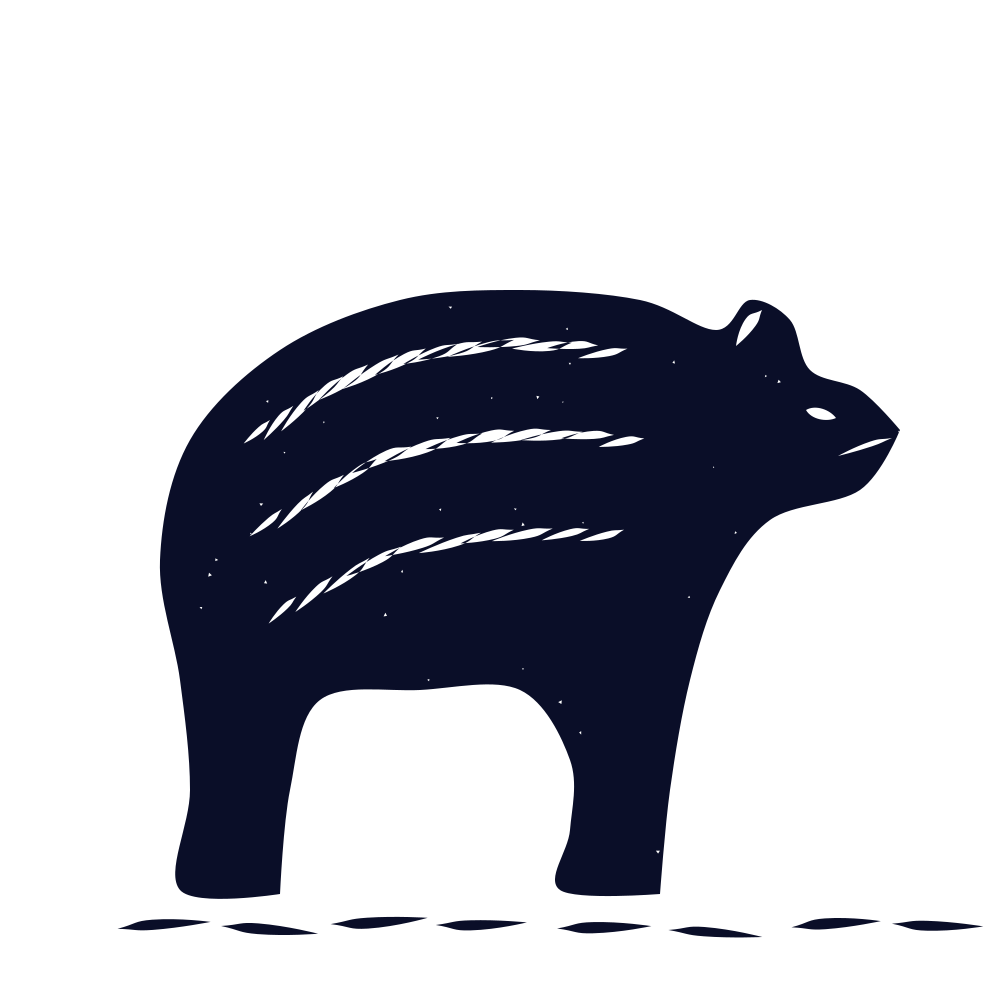

In the ancient wilds of Arcadia lived Callisto, a nymph of such beauty that she caught the eye of Zeus. This sparked the fierce jealousy of Hera, who transformed the maiden into a great, shaggy bear. For years, Callisto wandered the forests in lonely sorrow. One day, she encountered her grown son, Arcas, who was a renowned hunter. Not recognizing his mother in the beast, Arcas raised his spear to strike. To prevent a tragedy, Zeus intervened, turning Arcas into a smaller bear. Grabbing both by their tails, he swung them with such might that their tails stretched, and he hurled them into the heavens. There they remain as Ursa Major and Ursa Minor, the Great and Little Bears, circling the North Star together for all eternity.
Family bonds are eternal and can transcend even the most radical transformations or hardships.
Questions about this story
What is the moral of The Bear in the Sky?
The story illustrates that love and kinship are enduring forces that can survive physical change. It also serves as a reminder of how divine intervention can turn earthly tragedy into eternal legacy.
Why do the celestial bears have long tails?
In the myth, Zeus stretched their tails when he swung them by their hindquarters to hurl them safely into the heavens. This explains why the Ursa Major and Minor constellations have longer tails than real bears.
Which constellations are featured in this story?
The story features Ursa Major (the Great Bear) and Ursa Minor (the Little Bear). These are among the most recognizable patterns in the northern night sky.
Who turned Callisto into a bear?
In most versions of the Greek myth, it was the goddess Hera who transformed Callisto into a bear out of jealousy over Zeus's affection for the nymph.
Advertisement

Good night.
