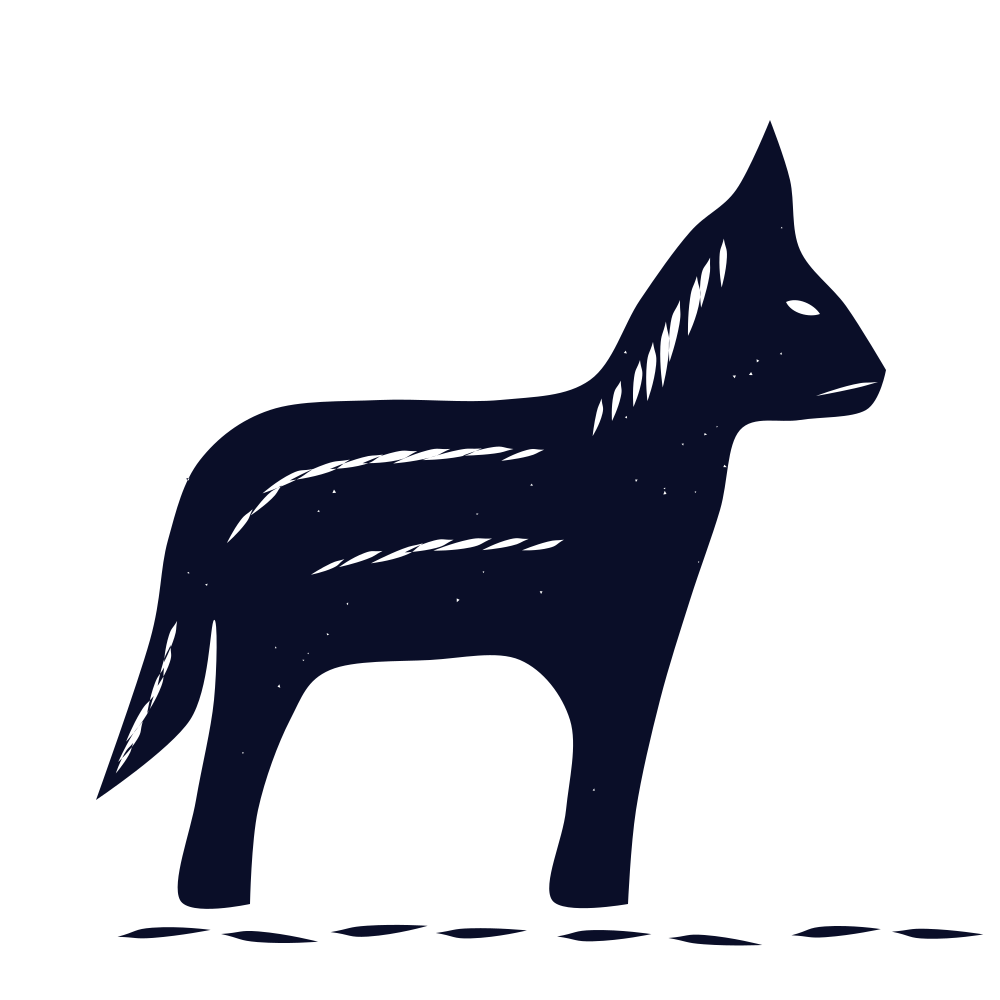

When the walls of Asgard lay in ruins after the war with the Vanir, a mysterious builder arrived offering to rebuild them in just three seasons. His price was steep: the goddess Freya, the sun, and the moon. The gods, urged by Loki, agreed, believing the task impossible if the builder worked alone. However, the builder had a secret weapon—a magnificent stallion named Svadilfari who hauled massive stones with supernatural speed. As the deadline neared and the wall stood almost complete, the gods grew terrified. Facing their wrath, Loki was forced to intervene. He transformed himself into a beautiful mare and lured Svadilfari away into the woods. Without his horse, the builder failed to finish on time. Enraged, he revealed himself as a mountain giant, only to be struck down by Thor’s hammer. Months later, Loki returned to Asgard leading an eight-legged foal named Sleipnir, the greatest horse ever known.
Hasty promises made in arrogance often lead to desperate and humiliating consequences.
Questions about this story
What is the moral of Loki and the Builder's Horse?
The story warns against making reckless bargains and highlights that deceitful shortcuts often require embarrassing sacrifices to fix. It also shows that the gods’ survival often relies on the very trickery they despise.
Who is Sleipnir in Norse mythology?
Sleipnir is the eight-legged horse born to Loki after he transformed into a mare to distract the builder's horse. He eventually becomes Odin's legendary mount, capable of traveling between worlds.
Why did Loki turn into a horse?
Loki turned into a mare to lure away Svadilfari, the giant's stallion, because the builder was on the verge of finishing Asgard's wall. If the wall were completed, the gods would have lost Freya, the sun, and the moon.
What happened to the builder of Asgard's wall?
When the builder failed to complete the wall on time and revealed he was actually a mountain giant, the gods no longer felt bound by their oath of safety. Thor arrived and killed the giant with his hammer, Mjolnir.
Advertisement
Good night.
