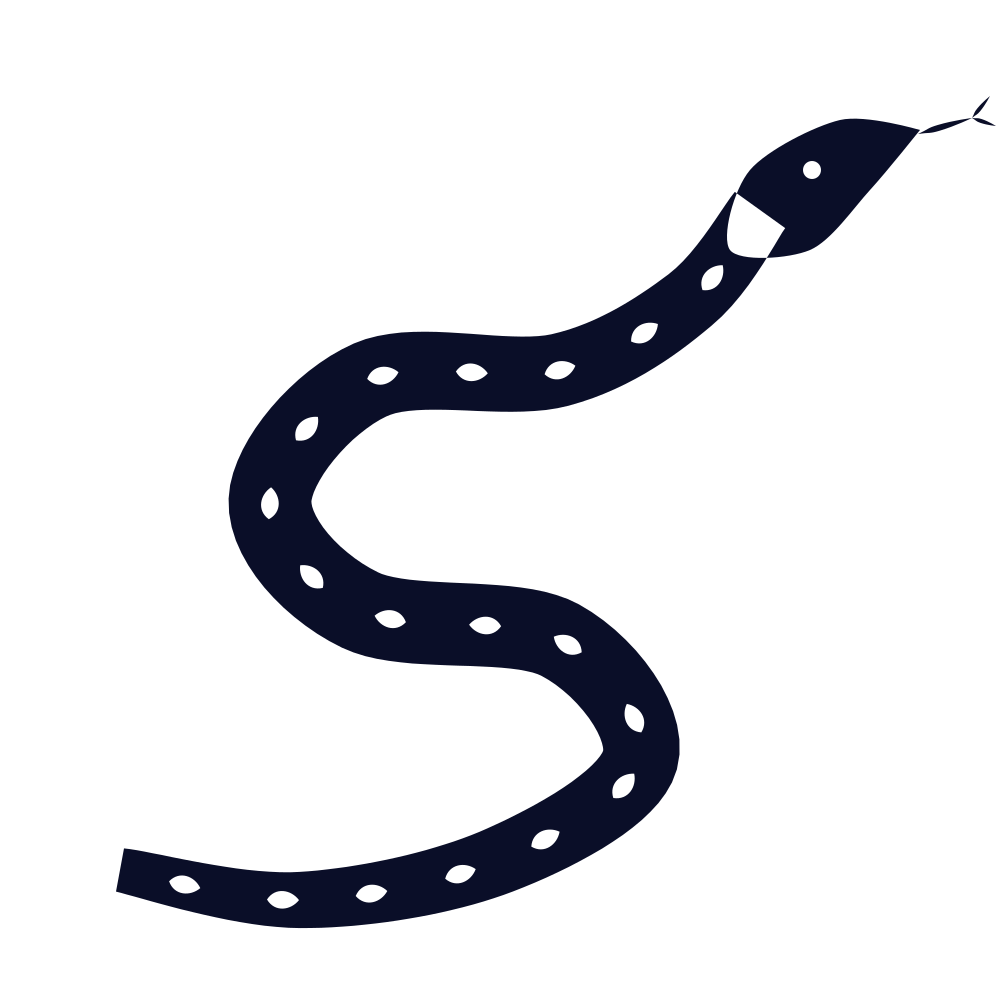

Born to the trickster Loki and the giantess Angrboda, Jormungandr was one of three monstrous siblings destined to bring woe to the gods. Fearing the serpent’s growing power, Odin cast the young creature into the deep ocean surrounding Midgard. However, the sea did not swallow him; instead, Jormungandr grew so gargantuan that he encircled the entire world, eventually grasping his own tail in his jaws. Known as the Midgard Serpent, he remained a hidden terror beneath the waves, his movements causing great storms and shipwrecks. He became the eternal nemesis of Thor, the god of thunder. In one famous tale, Thor unknowingly tried to lift the serpent while it was disguised as a cat, and in another, he nearly reeled the beast in during a fishing trip. Their rivalry is fated to reach a cataclysmic end at Ragnarök. It is said that when the serpent finally releases his tail, the seas will rise and the sky will be filled with poison. Thor will strike the killing blow with Mjolnir, but after taking only nine steps, the thunder god will fall dead from the serpent's venom.
Inevitability cannot be escaped, and the forces of chaos that we attempt to suppress often grow stronger in the shadows of our neglect.
Questions about this story
What is the moral of Jormungandr the World Serpent?
The story suggests that destiny is unavoidable and that the chaos we try to contain eventually returns. It serves as a reminder that every great power has an equal and opposite force.
Who are the parents of Jormungandr?
Jormungandr is the offspring of the trickster god Loki and the giantess Angrboda. He is the brother of the great wolf Fenrir and the goddess of the dead, Hel.
How did Jormungandr become the World Serpent?
Odin cast him into the ocean surrounding Midgard to prevent his prophecy of destruction. Instead of dying, he grew so large that he could wrap around the world and bite his own tail.
What happens between Thor and Jormungandr at Ragnarök?
During the final battle of the gods, Thor finally slays Jormungandr with his hammer, Mjolnir. However, the serpent's venom is so potent that Thor dies after taking only nine steps.
Advertisement

Good night.
