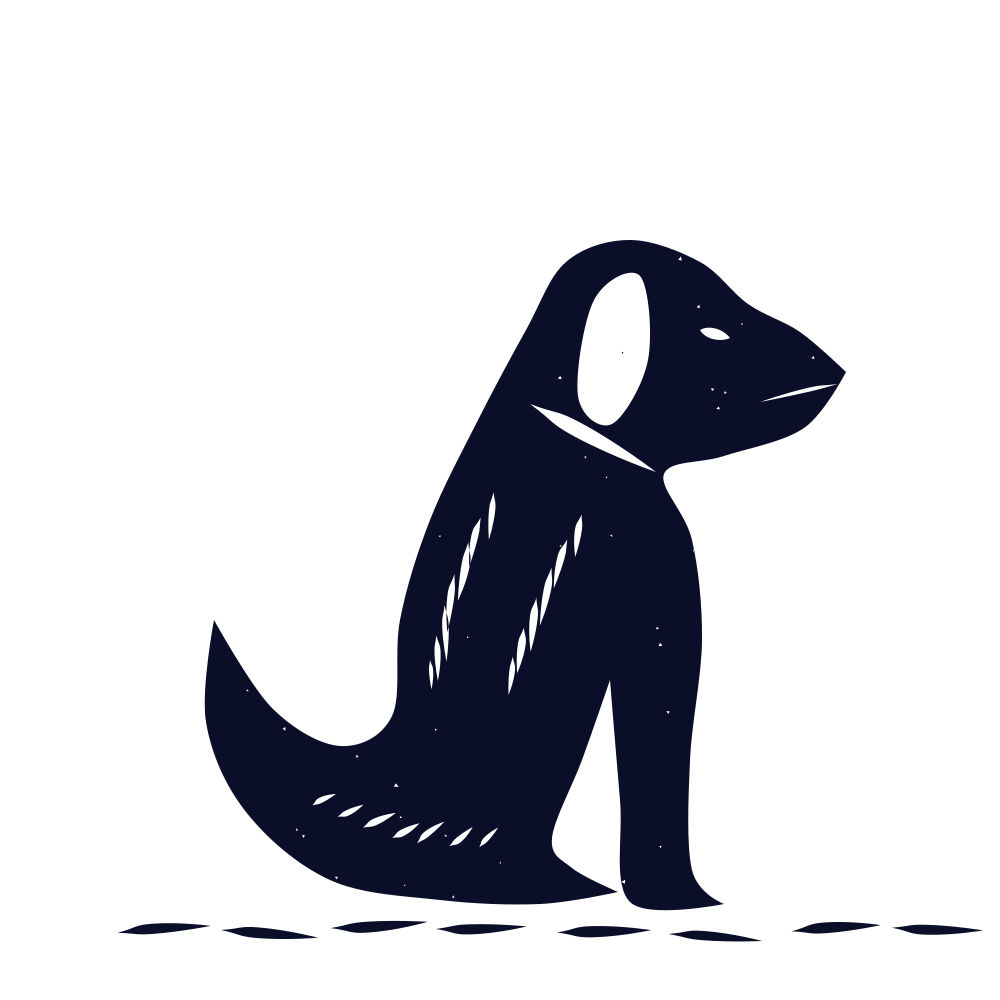

Deep within the freezing mists of Niflheim, at the mouth of the cavern Gnipahellir, stands the most fearsome guardian of the Norse underworld: Garm the Hound. Bound by heavy iron chains, his chest is perpetually stained with the blood of those who try to flee the realm of the dead. For ages, he has remained a tethered sentinel, his baying echoing through the nine worlds as a herald of doom. When the winds of Fimbulwinter signal the end of days, Garm's howling grows more frantic until his ancient fetters finally snap. During the cataclysm of Ragnarök, the great hound marches to the battlefield of Vígríðr. There, he faces Tyr, the one-handed god of war. In a clash of tooth and steel, the two adversaries strike each other down simultaneously, ensuring that the guardian and the warrior fall together as the old world consumes itself in fire.
Even the most powerful guardians are bound by fate, and every debt of blood is eventually settled in the end.
Questions about this story
What is the moral of Garm the Hound?
The story emphasizes the inevitability of fate and the idea that all roles, even those of monstrous guardians, reach a definitive conclusion. It teaches that conflict often leads to mutual destruction when driven by ancient cycles.
Who is Garm in Norse mythology?
Garm is the monstrous hound who guards the gates of Hel, the realm of the dead. He is often described as being covered in blood and tied up at the entrance of a cave called Gnipahellir.
Is Garm the same as Fenrir?
While both are monstrous canines, most scholars and primary sources like the Poetic Edda treat them as distinct beings. Garm guards the underworld, whereas Fenrir is the wolf destined to kill Odin.
Who kills Garm during Ragnarök?
Garm and the god Tyr kill each other in a final duel during the events of Ragnarök. This battle represents the mutual demise of a great guardian of order and a great beast of chaos.
Advertisement
Good night.
