Story Summary
Explore the legendary tale of The 47 Ronin, loyal samurai who sacrificed everything to avenge their master's death and uphold the sacred code of Bushido.
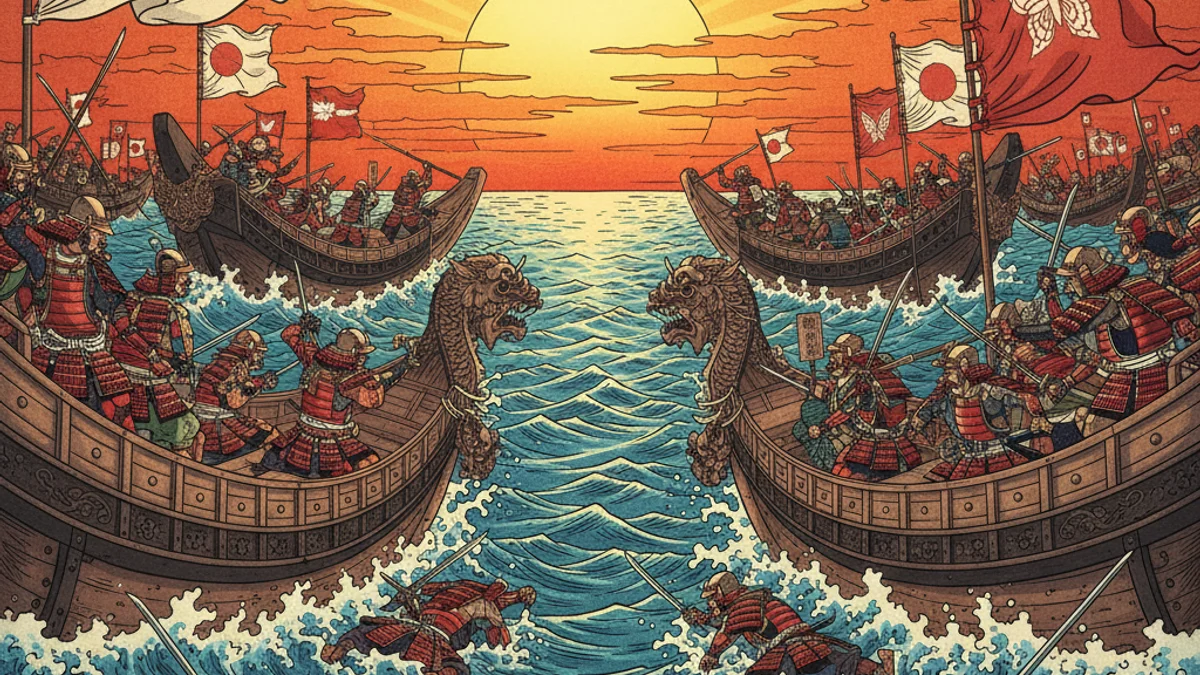
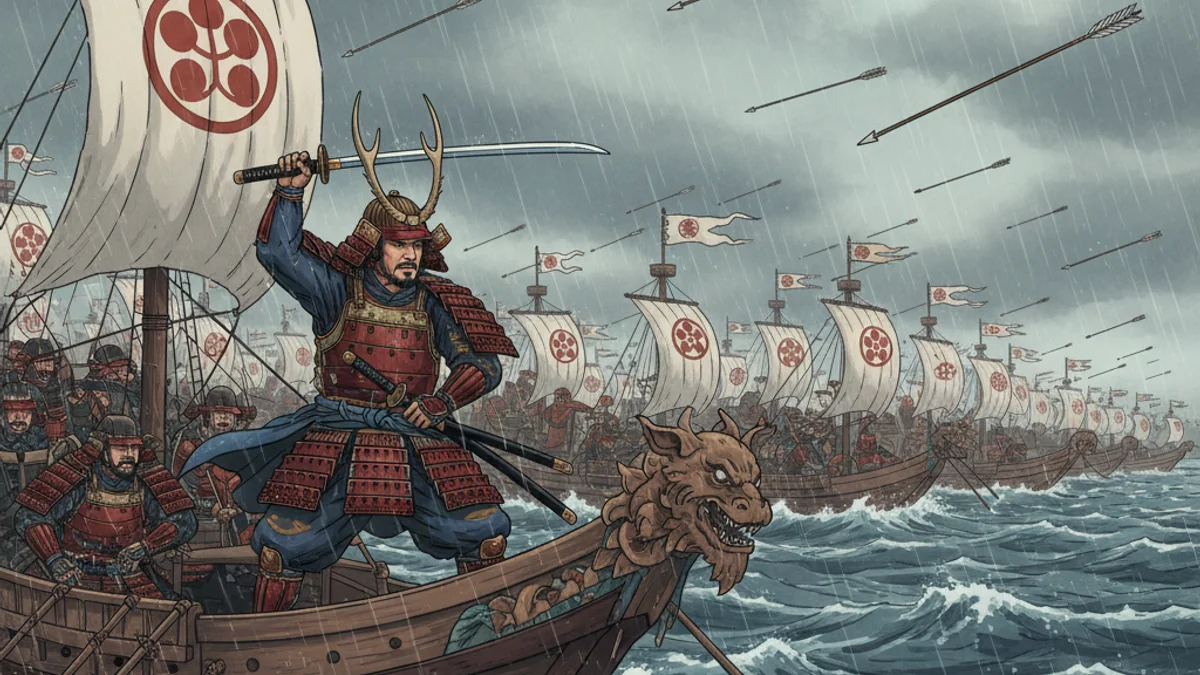
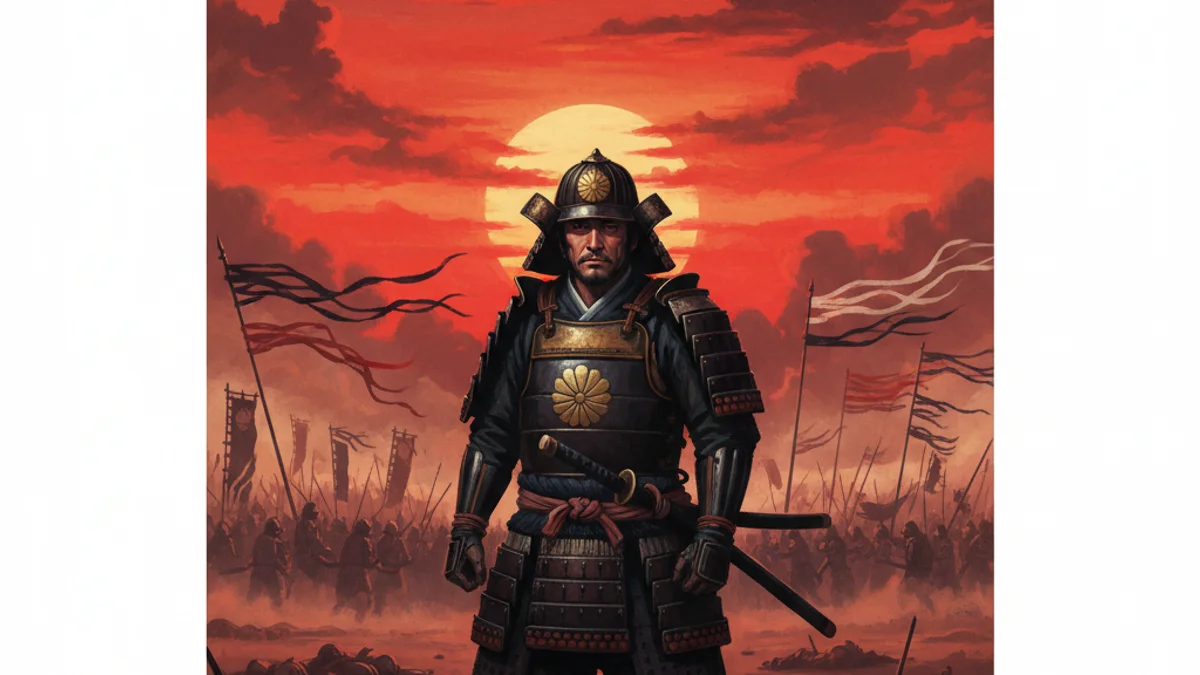
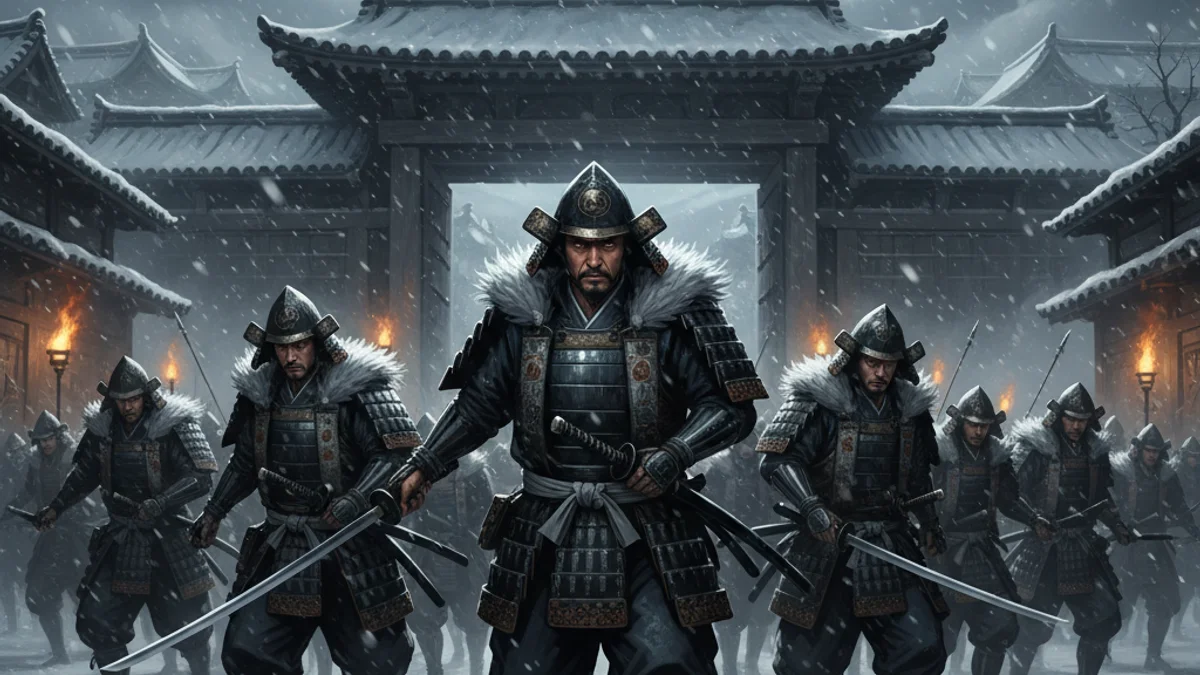
In 1701, Lord Asano Naganori was provoked into drawing his sword against the corrupt court official Kira Yoshinaka within the Shogun's palace. For this grave offense, Asano was ordered to commit seppuku, and his estate was liquidated, leaving his samurai as masterless 'ronin.' While many dispersed, forty-seven loyal men led by Oishi Kuranosuke vowed secret revenge. To lull Kira into a false sense of security, Oishi spent two years living a life of public debauchery and drunkenness, convincing Kira’s spies that the ronin had abandoned their honor. On a snowy December night in 1703, the group reunited and launched a precision strike on Kira’s fortified mansion. After a fierce battle, they captured Kira and offered him the chance to die honorably; when he refused, they executed him. They marched through Edo to the Sengaku-ji Temple, placing Kira's head upon their master's grave. Knowing their actions defied the Shogun’s law but upheld the code of Bushido, they surrendered and were eventually permitted to commit ritual seppuku, securing their legacy as Japan’s greatest symbols of loyalty.
The Moral
The highest virtue of the samurai is unwavering loyalty and the patience to fulfill one's duty regardless of personal cost.
“To know what is right and not to do it is the want of courage.”
Fun Fact
Every year on December 14th, the anniversary of the raid, thousands of people visit Sengaku-ji Temple to offer incense at the graves of the 47 Ronin.
Frequently Asked Questions
What is the moral of The 47 Ronin?
The story emphasizes that loyalty, honor, and duty are more important than life itself. It teaches the value of patience and the sacrifice required to uphold one's integrity in the face of injustice.
Is the story of the 47 Ronin based on a true story?
Yes, it is based on a historical event known as the Akō incident, which took place in Japan between 1701 and 1703. The participants are buried at Sengaku-ji Temple in Tokyo.
Why did the 47 Ronin have to die?
Although they were heroes for avenging their master, they broke the Shogun's law by launching a private vendetta. Being allowed to commit seppuku was considered a mercy, as it allowed them to die as honored samurai rather than common criminals.
What does the word 'Ronin' mean?
A Ronin is a 'wave man,' referring to a samurai who has no lord or master. This could happen if the master died, was disgraced, or if the samurai lost his master's favor.
Who was the leader of the 47 Ronin?
The group was led by Oishi Kuranosuke, who was the chief councilor or chamberlain to Lord Asano before his death. He is celebrated for his strategic genius and extreme patience.
What is Bushido and how does it relate to this story?
Bushido is the 'Way of the Warrior,' a strict moral code for samurai. The 47 Ronin are the ultimate example of Bushido because they prioritized their lord's honor over their own lives and reputations.
Discussion (0)
Share your thoughts on this story
No comments yet. Be the first to share your thoughts!