Story Summary
Explore the epic Descent of Ganga, where King Bhagiratha’s relentless devotion brings a celestial river to Earth, moderated by the mighty power of Lord Shiva.
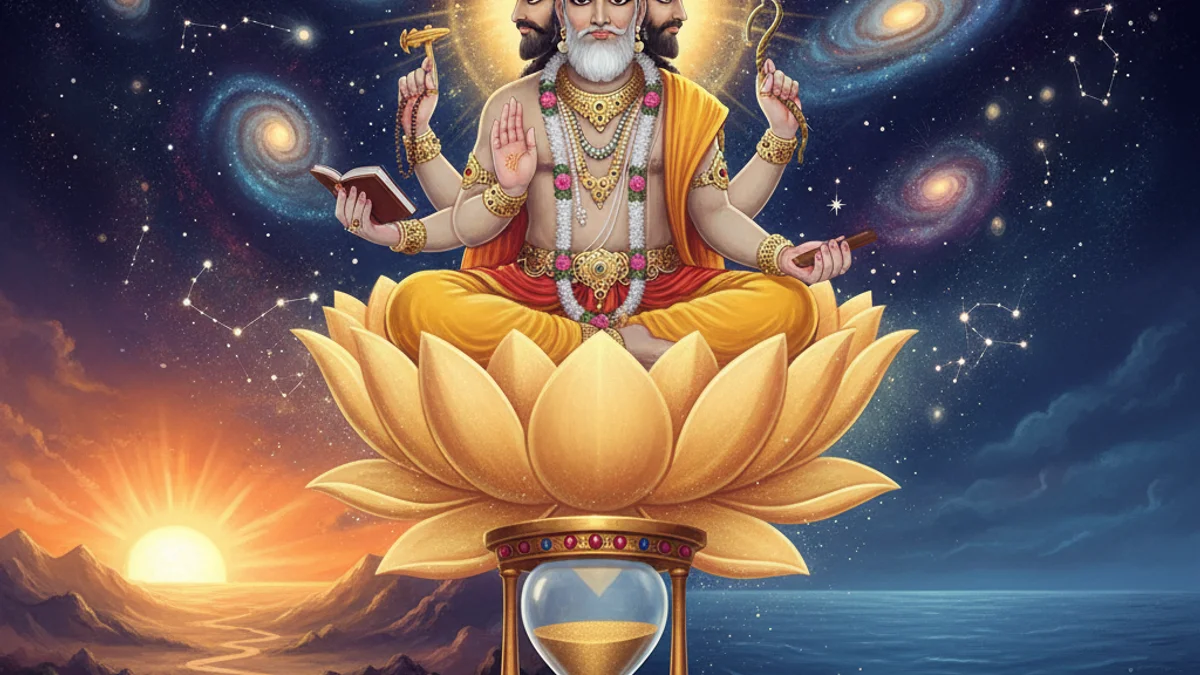
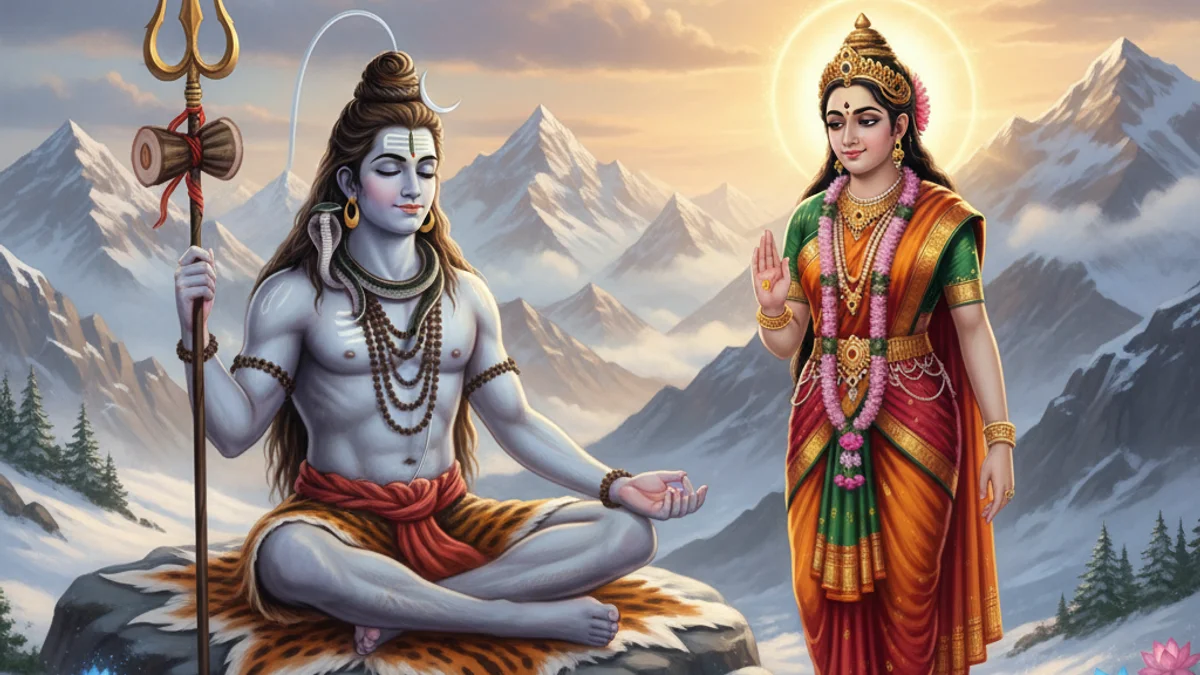
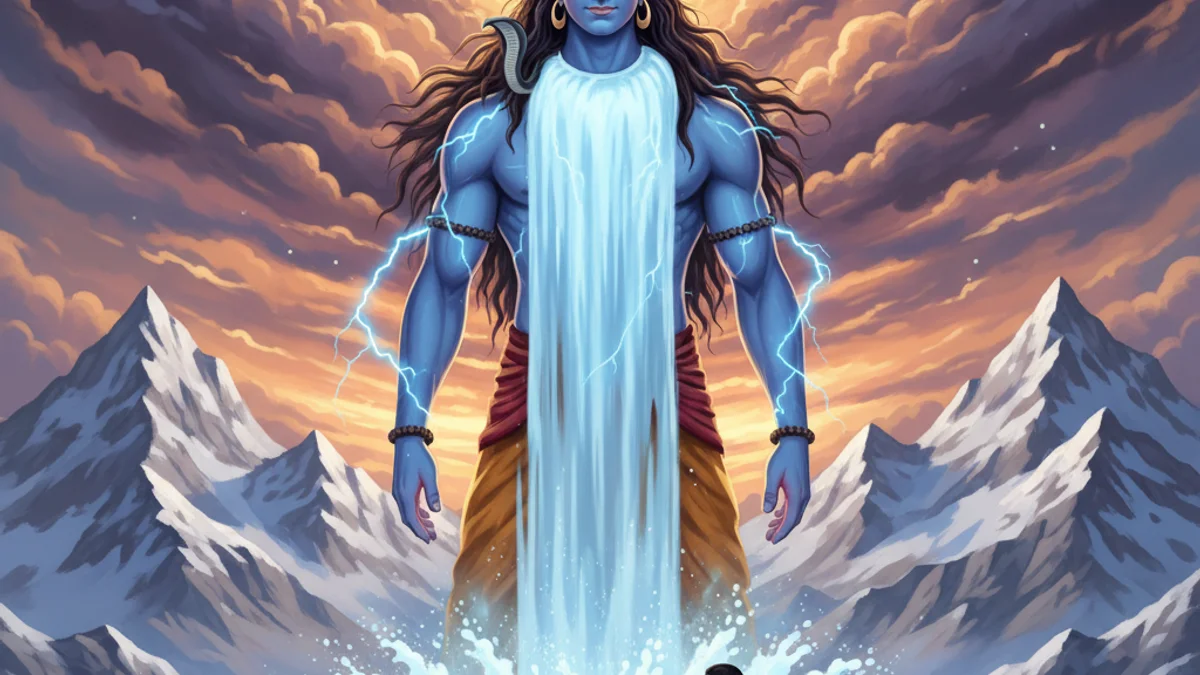
King Bhagiratha of the Ikshvaku dynasty sought to liberate the souls of his sixty thousand ancestors, who had been reduced to ashes by the curse of Sage Kapila. Only the purifying waters of the celestial river Ganga could grant them salvation. Through intense penance, Bhagiratha pleased Lord Brahma, who granted the river’s descent. However, Ganga’s force was so immense it threatened to shatter the Earth. Bhagiratha then prayed to Lord Shiva, the only one capable of taming her. As Ganga swept down in a prideful torrent, Shiva opened his matted locks and trapped her within them, breaking her fall. He released her in seven gentle streams that followed Bhagiratha to the ocean, finally purifying the ashes of his kin and bestowing the gift of life-giving water upon humanity.
The Moral
Success is achieved through unwavering persistence and the humility to seek help from higher powers when faced with overwhelming challenges.
“Through the locks of Mahadeva, the celestial became the terrestrial.”
Fun Fact
The phrase 'Bhagirath Prayatna' is still used in modern Indian languages to describe a monumental or heroic effort against all odds.
Frequently Asked Questions
What is the moral of The Descent of Ganga?
The story emphasizes that through extreme dedication, known as 'Bhagirath Prayatna,' one can achieve even the most impossible goals. It also highlights the importance of environmental balance and divine intervention in managing great power.
Why did Ganga have to descend to Earth?
Ganga descended to Earth to purify the souls of King Bhagiratha's sixty thousand ancestors. They had been turned to ashes by Sage Kapila, and only the holy river could grant them Moksha or liberation.
Why did Lord Shiva trap Ganga in his hair?
Ganga's descent was so forceful that it would have destroyed the Earth. Lord Shiva intervened by catching her in his matted locks (Jata) to break her fall and release her water in gentle, life-sustaining streams.
Who is Bhagiratha in Hindu mythology?
Bhagiratha was a legendary king of the Ikshvaku dynasty and an ancestor of Lord Rama. He is celebrated for his incredible penance and for bringing the Ganges river from the heavens to Earth.
What does the term 'Bhagirath Prayatna' mean?
The term literally translates to 'the effort of Bhagiratha.' It is used in India to describe any Herculean task or an extraordinary, tireless effort to achieve a difficult objective.
What is the spiritual significance of the river Ganga?
In Hinduism, Ganga is considered a living goddess whose waters have the power to wash away sins and facilitate the transition of the soul to the afterlife. She represents purity and the flow of divine grace.
Discussion (0)
Share your thoughts on this story
No comments yet. Be the first to share your thoughts!