Story Summary
Discover The Rectification of Names, a cornerstone of Confucian philosophy. Learn why Confucius believed social order begins with using language and titles correctly.
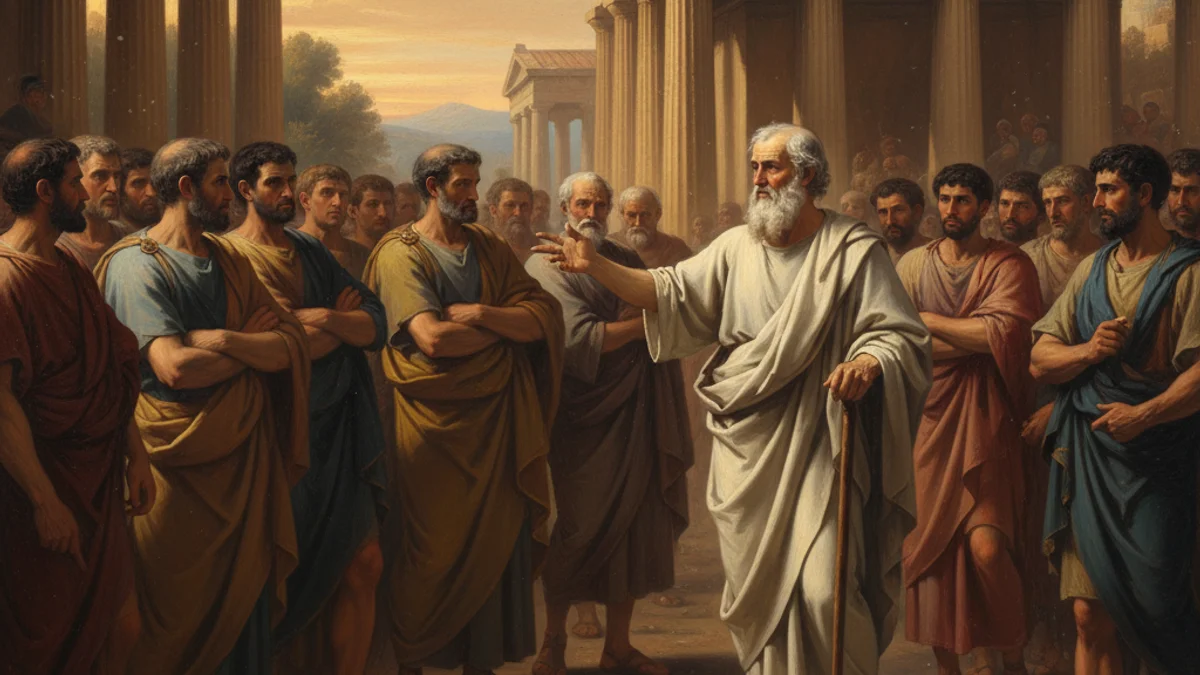
When the disciple Zilu asked Confucius what his first priority would be if he were appointed to govern the state of Wei, the Great Sage replied without hesitation: 'The rectification of names.' Zilu was puzzled, thinking it a trivial matter for a statesman. Confucius explained that if names are not correct, language is not in accordance with the truth of things. If language is not in accordance with truth, affairs cannot be carried on to success. When affairs fail, ritual and music languish, and justice goes astray. Ultimately, the people are left in bewildered confusion. To Confucius, social order required that a ruler act like a ruler, a minister like a minister, a father like a father, and a son like a son. Only when titles match reality can a society flourish in harmony and truth.
The Moral
Social stability and justice are only possible when language is used truthfully and individuals fulfill the duties associated with their specific roles.
“If names be not correct, language is not in accordance with the truth of things.”
Fun Fact
The concept of 'Zhengming' is so influential that it remains a central topic in East Asian political philosophy and linguistic theory to this day.
Frequently Asked Questions
What is the moral of The Rectification of Names?
It emphasizes that social harmony is rooted in the truthful use of language and the fulfillment of one's specific social roles. When words lose their meaning, justice and order inevitably crumble.
What does 'Rectification of Names' mean?
Known as 'Zhengming,' it refers to the Confucian doctrine that designations must match reality. It ensures that a person's behavior aligns with the responsibilities of their specific title or position.
Why did Confucius prioritize this?
He believed that if language is imprecise, instructions become unclear and laws become arbitrary. This leads to a breakdown in governance and social chaos where people no longer know how to act.
Where can this story be found?
This teaching is primarily recorded in the Analects of Confucius, specifically in Book XIII, where he discusses governance with his disciple Zilu.
How does it apply to modern life?
It suggests that clear communication and personal accountability are essential for any organization to function. It warns against the manipulation of language for deceptive purposes.
Who was Zilu in the story?
Zilu was one of Confucius’s most loyal and courageous disciples, known for his impulsive nature and his direct way of questioning his teacher's philosophical priorities.
Discussion (0)
Share your thoughts on this story
No comments yet. Be the first to share your thoughts!