Story Summary
Discover the legend of Napoleon and the Sleeping Sentinel, where the French Emperor's act of mercy and leadership redefined the loyalty of his Grand Armée.
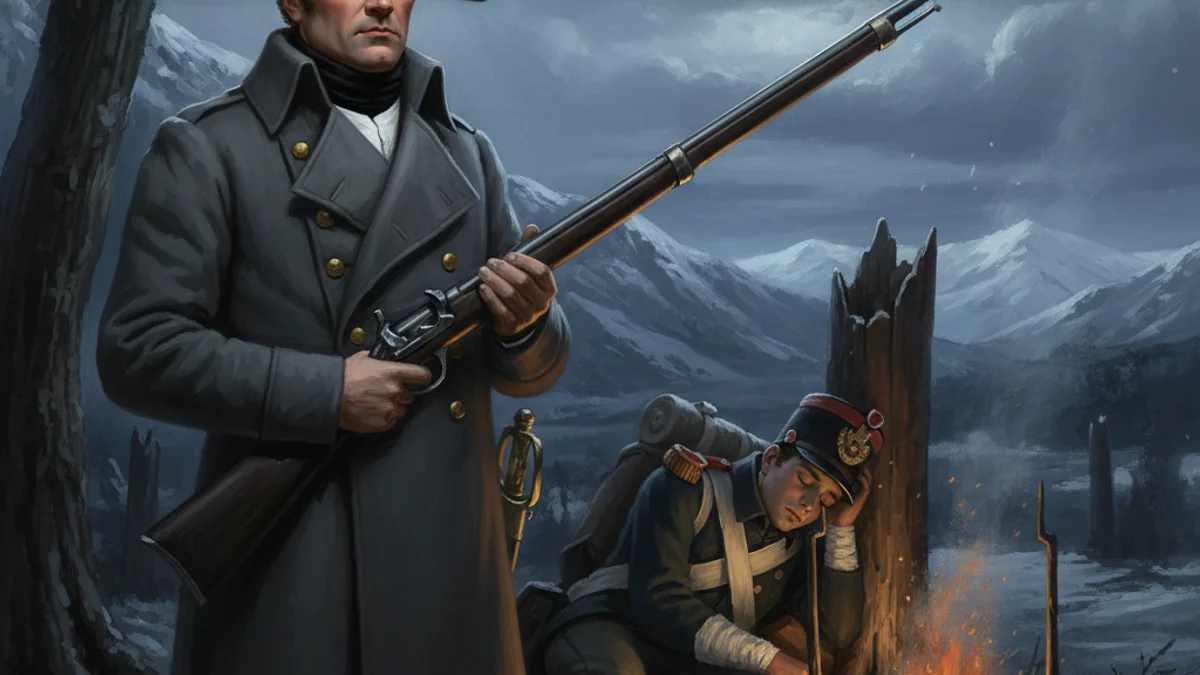
During the height of his grueling campaigns, Napoleon Bonaparte was known for walking the lines of his encampment late at night to ensure his army's security. One evening, he came upon a young sentry who had fallen into a deep sleep, his musket leaning uselessly against his shoulder. Under strict military law, sleeping while on guard duty was a capital offense punishable by death. However, instead of waking the man to face a court-martial, Napoleon quietly took the musket from the soldier's hands and stood guard in the man's place. When the soldier finally awoke and recognized the Emperor standing watch over him, he fell to his knees in terror, certain of his impending execution. Napoleon calmly handed back the weapon and said, 'After so much fatigue, it is allowed that a brave man like you should sleep; but in the future, choose a better time.' This act of unexpected compassion cemented the absolute devotion and loyalty of his troops.
The Moral
Great leaders lead by example and understand that mercy can inspire more loyalty than the strictest discipline.
“After so much fatigue, it is allowed that a brave man like you should sleep; but in the future, choose a better time.”
Fun Fact
This story contributed to the 'Little Corporal' persona, a nickname his soldiers gave him because he shared their hardships and performed duties usually reserved for lower ranks.
Frequently Asked Questions
What is the moral of Napoleon and the Sleeping Sentinel?
The moral is that empathy and leading by example are more effective than rigid punishment. By sharing the burden of his soldiers, Napoleon earned a level of devotion that fear alone could never achieve.
Is the story of the sleeping sentinel true?
While widely cited in Napoleonic lore to illustrate his character, many historians view it as a legendary anecdote designed to build his public image. However, it reflects his documented habit of personally checking on his troops.
Why was sleeping on duty a serious crime?
In a military context, a sentry is the first line of defense against a surprise attack. A sleeping sentinel puts the entire army at risk of being caught unaware, which is why the standard punishment was often execution.
What does this story reveal about Napoleon's leadership?
It shows that Napoleon understood the physical limits of his men and chose to inspire them through grace rather than terror. This approach made his soldiers feel like he was one of them, fighting by their side.
How did the soldier react when he saw Napoleon?
The soldier was overcome with fear and despair, as he immediately recognized the Emperor and knew he had committed a capital offense. He expected to be arrested and executed on the spot.
Did Napoleon really stand guard for the soldier?
According to the legend, Napoleon stood guard for a significant time until the soldier woke up. This detail highlights the Emperor's willingness to perform even the most humble tasks for the sake of his army's safety.
Discussion (0)
Share your thoughts on this story
No comments yet. Be the first to share your thoughts!