Story Summary
Discover Vis and Ramin, a classic Persian epic of forbidden love, royal betrayal, and a devotion that defies kings, showcasing the depth of Persian mythology.
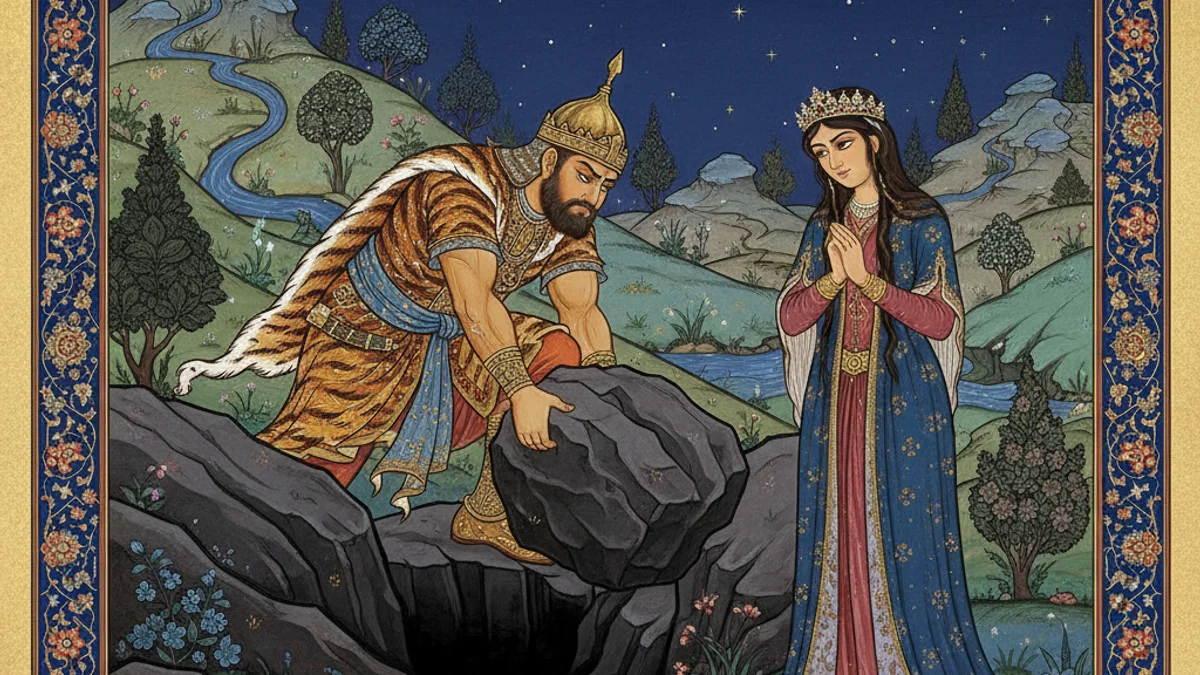
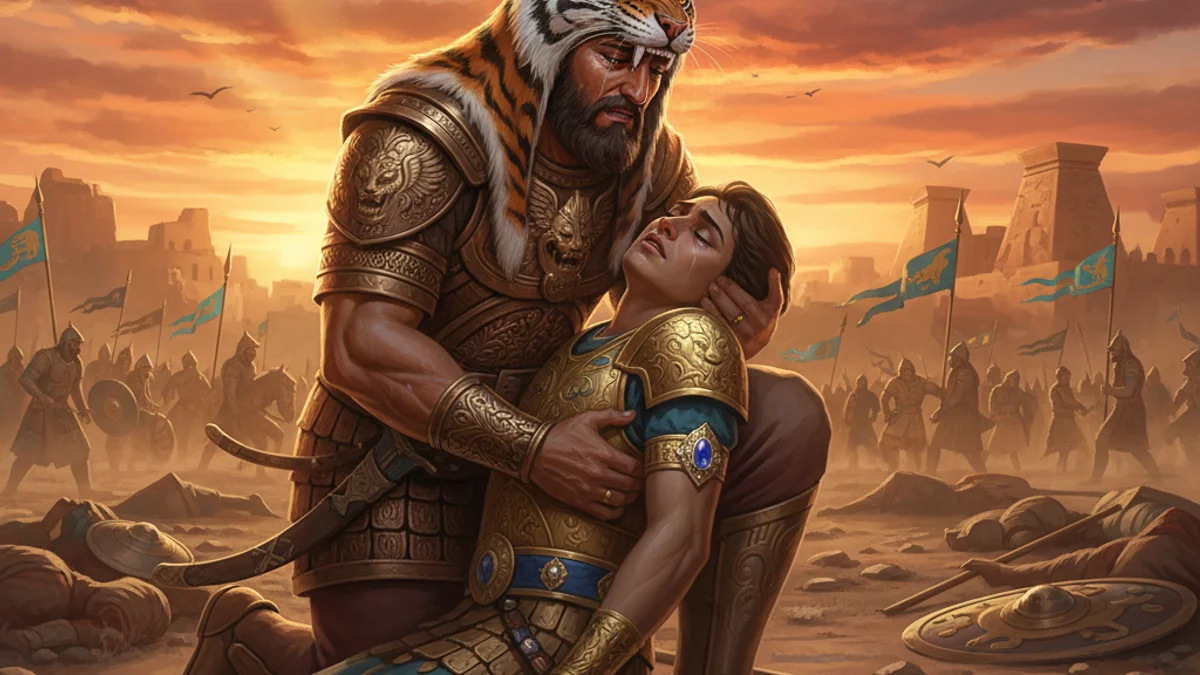
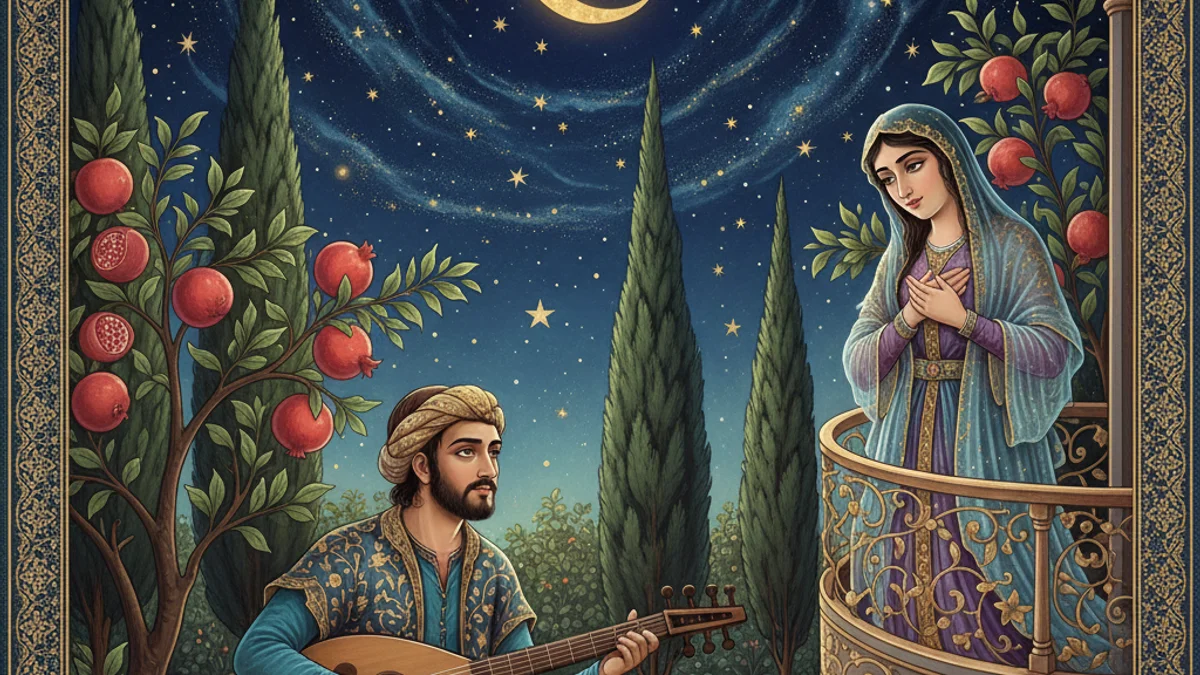
In the ancient courts of Persia, Queen Shahru made a fateful promise to King Mobad: if she ever bore a daughter, the girl would be his bride. Years later, the beautiful Vis was born, but she was wed to her brother Viru before Mobad could claim her. Infuriated, King Mobad seized Vis by force, taking her to his capital. However, it was Mobad’s younger brother, Ramin, who truly captured Vis’s heart after catching a glimpse of her beauty. Assisted by a nurse who used magic talismans to protect their secret, Vis and Ramin embarked on a forbidden and perilous affair. They endured years of separation, the King’s mounting suspicion, and various exiles. Their love was a tempest that defied social order and royal decrees. Eventually, after King Mobad was killed in a hunting accident involving a wild boar, Ramin ascended to the throne. He and Vis finally married and ruled together in harmony for many years, proving that even the most forbidden bonds can be sanctioned by destiny.
The Moral
True love is an unstoppable force of nature that can overcome the strictest social contracts and the power of kings.
“Love is a flame that, once kindled, cannot be extinguished by all the waters of the world.”
Fun Fact
The story of Vis and Ramin is much older than the Islamic period, originating from the Parthian era of Iran, roughly between 247 BC and 224 AD.
Frequently Asked Questions
What is the moral of Vis and Ramin?
The story suggests that love is a predestined force that transcends human laws and promises. It teaches that while forbidden love brings great suffering, its ultimate fulfillment is the highest form of human happiness.
Who wrote the most famous version of Vis and Ramin?
The most famous version was written by the Persian poet Fakhruddin As'ad Gorgani in the 11th century. He translated the tale from an older Middle Persian (Pahlavi) source into verse.
Is Vis and Ramin similar to Tristan and Iseult?
Yes, many scholars believe Vis and Ramin influenced the European legend of Tristan and Iseult. Both stories feature a love triangle involving a king, his wife, and his younger kinsman, aided by a nurse's magic.
What role does the Nurse play in the story?
The Nurse acts as a confidante and a magical facilitator for the lovers. She uses her knowledge of sorcery and talismans to help Vis and Ramin meet secretly and to protect them from the King's wrath.
How does King Mobad die in the story?
King Mobad meets his end during a hunt when he is attacked and killed by a wild boar. His death is often seen as a divine intervention that allows the lovers to finally be together without sin.
Why is this story significant in Persian literature?
It is one of the earliest and most influential romantic epics in Persian literature. Its psychological depth and focus on human emotion rather than just heroic deeds set a standard for future poets like Nizami Ganjavi.
Discussion (0)
Share your thoughts on this story
No comments yet. Be the first to share your thoughts!