Story Summary
Explore the ancient Celtic origins of Samhain and the Veil Between Worlds, exploring the mystical traditions that birthed our modern Halloween celebrations.
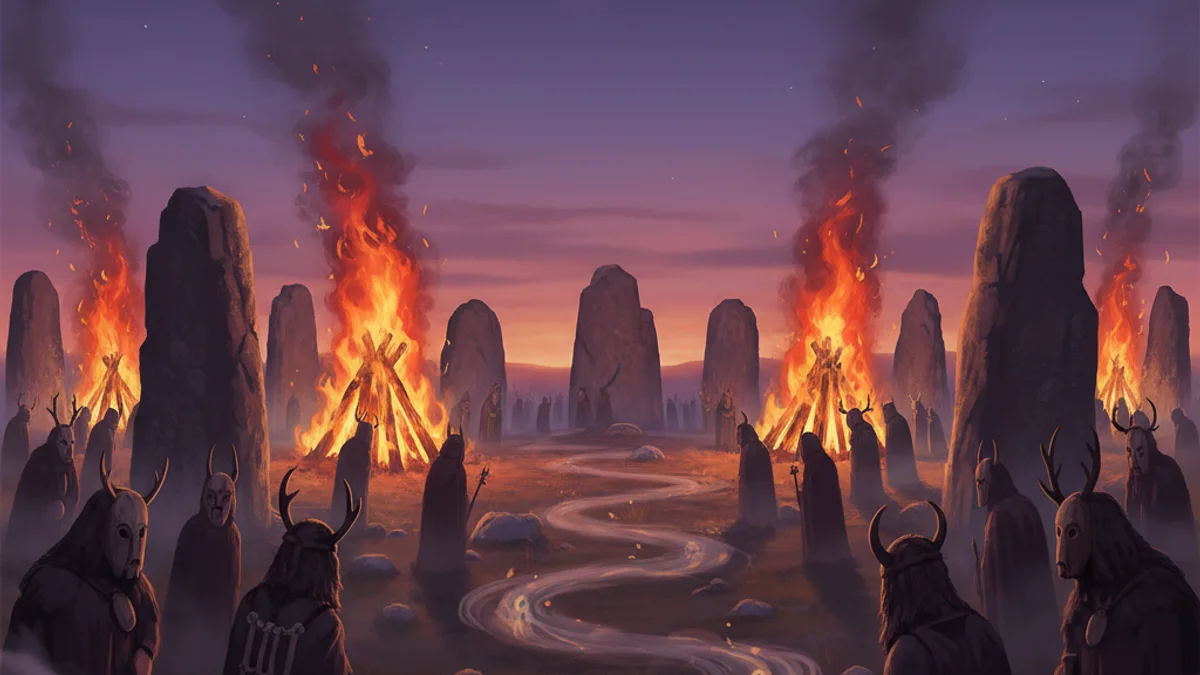
In the ancient green hills of Ireland, as the harvest ended and the sun’s warmth retreated, the Celts prepared for Samhain—the 'summer's end.' This was the most sacred of their four fire festivals, a liminal time when the physical world and the Otherworld collided. As the nights grew longer, the Celts believed the veil between the living and the dead thinned until it was nearly transparent. On this night, the Púca, the Sidhe, and the spirits of ancestors could cross into our realm. Villagers doused their home fires to make their houses uninviting to wandering spirits, gathering instead around massive communal bonfires on the hills. To protect themselves from malevolent entities, they donned masks of animal heads and skins, hoping to be mistaken for fellow spirits. Food was left on doorsteps to appease the hungry dead, and the light of the fire was used to guide friendly souls home. This night of flickering shadows and ancient rituals served as the bridge between the light half of the year and the dark, cold winter ahead.
The Moral
We must respect the cycles of nature and honor our ancestors while remaining vigilant during times of transition.
“When the sun fades and the mists rise, the living and the dead share the same path.”
Fun Fact
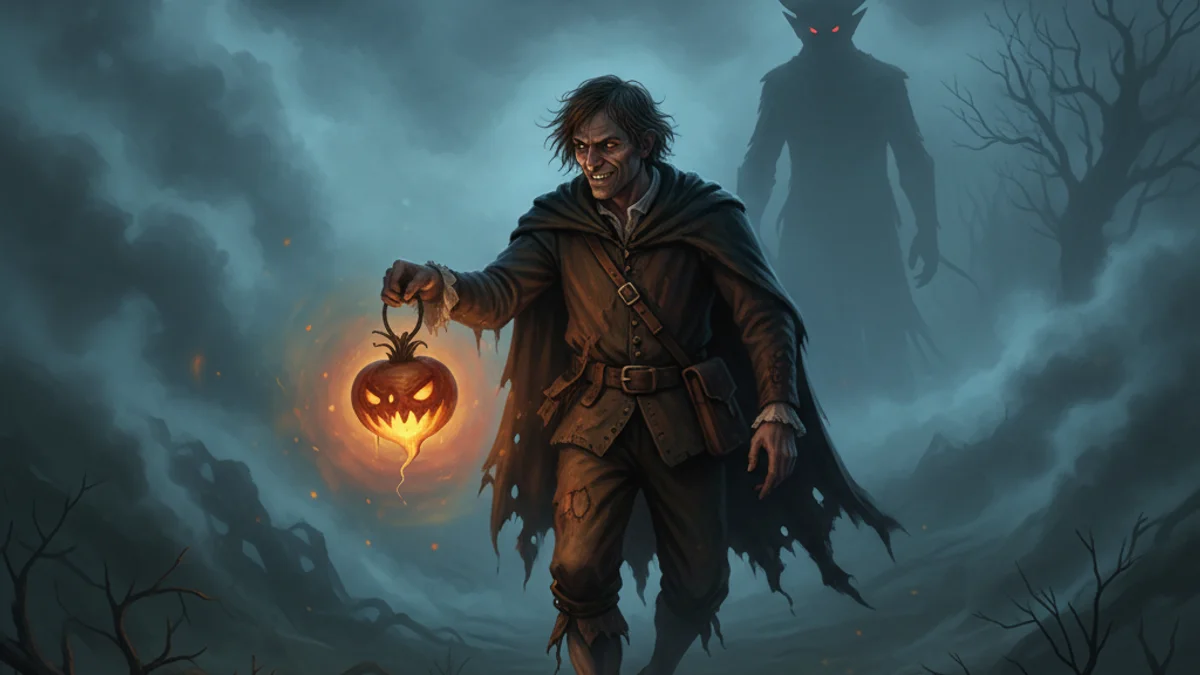
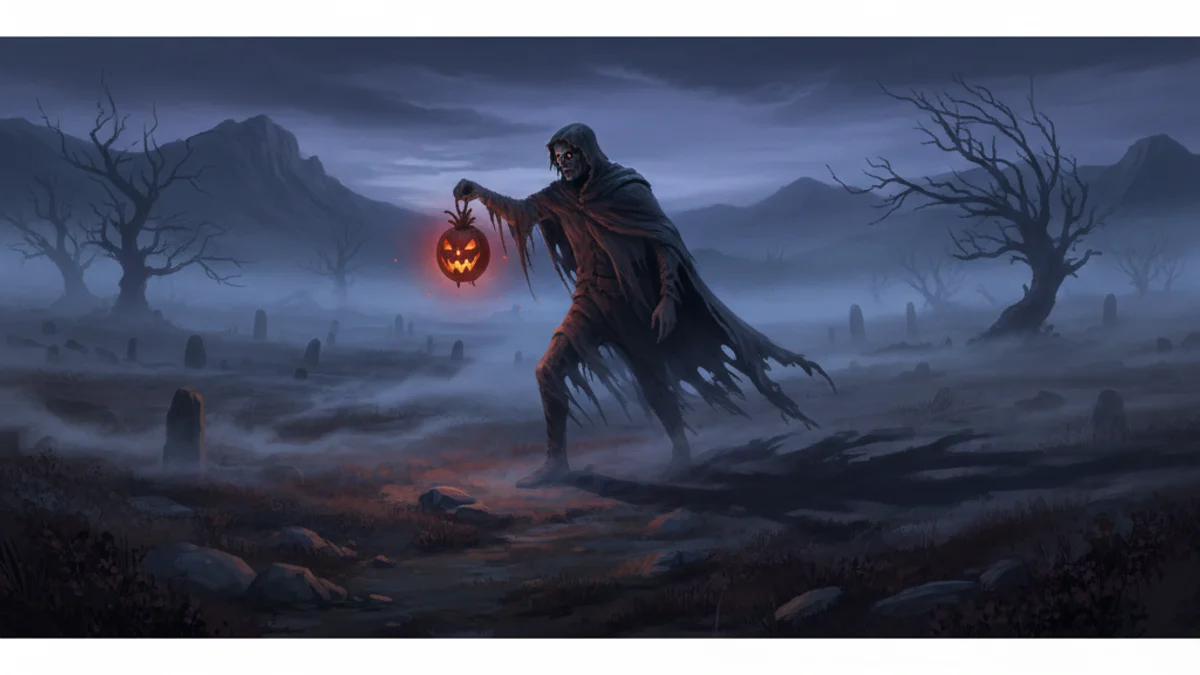
The tradition of carving pumpkins actually started with turnips in Ireland; they were hollowed out and carved with faces to ward off spirits.
Frequently Asked Questions
What is the moral of Samhain and the Veil Between Worlds?
The story teaches that transitions are powerful times requiring both reverence for the past and caution for the future. By honoring the cycle of the seasons, we acknowledge our place in the eternal flow of life and death.
What does the word Samhain mean?
Samhain is an Old Irish word that translates to 'Summer's End.' It officially marked the end of the harvest season and the beginning of the dark half of the year.
How did Samhain influence modern Halloween?
Many traditions, such as wearing costumes and leaving treats, originated from Celtic practices of disguising oneself from spirits and offering food. These customs evolved through the centuries into the holiday we celebrate today.
Why did the Celts light bonfires during Samhain?
Bonfires were believed to have protective and cleansing powers, mimicking the sun to hold back the encroaching winter darkness. They also served as a beacon for ancestral spirits and a place for communal rituals.
What is the 'Veil Between Worlds'?
It is the spiritual boundary that separates the mortal realm from the Otherworld where gods and spirits reside. During Samhain, this barrier was believed to become thin enough for beings from both sides to cross over.
Who were the Sidhe in Celtic folklore?
The Sidhe were a powerful, supernatural race of fairies or spirits who lived in burial mounds and hills. They were particularly active during Samhain and could be either benevolent or dangerous to humans they encountered.
Discussion (0)
Share your thoughts on this story
No comments yet. Be the first to share your thoughts!