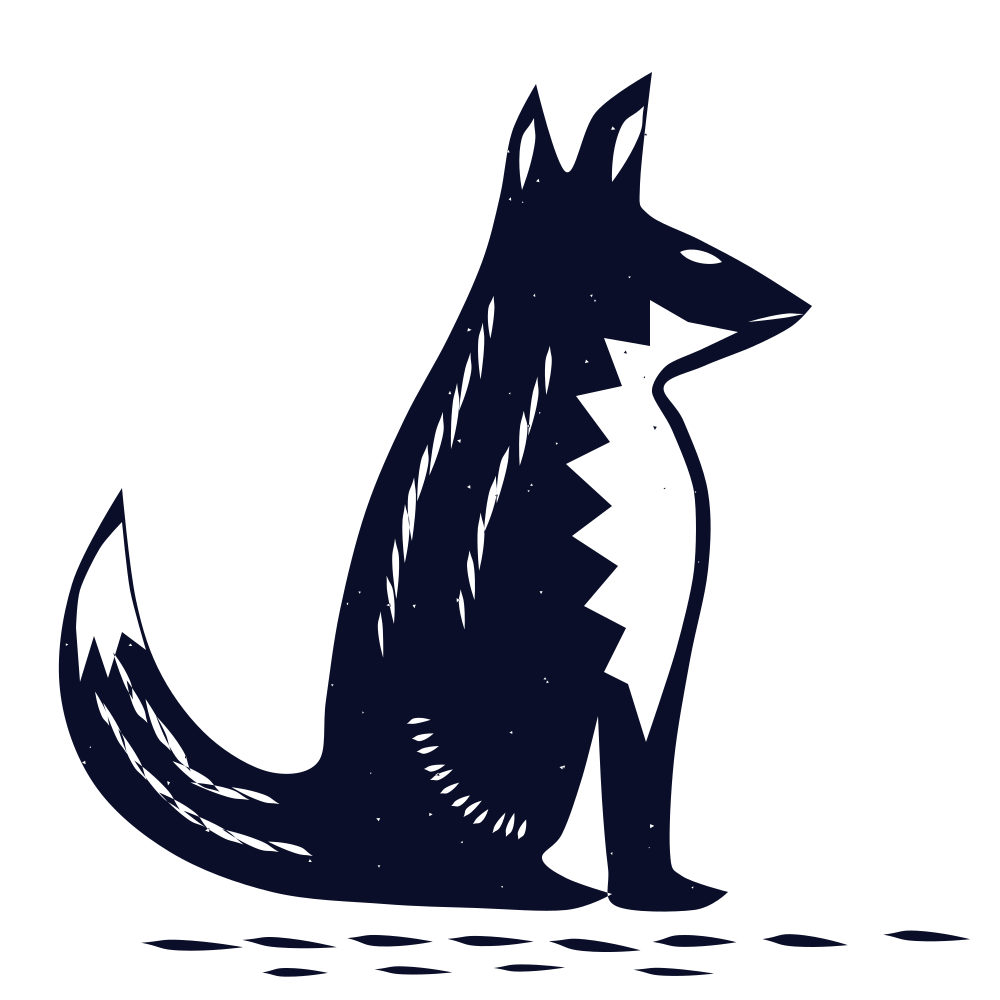

In a remote mountain pavilion, a young scholar named Wang spent his nights studying for the imperial examinations. One evening, a woman of breathtaking beauty appeared at his door, claiming to be a traveler lost in the mist. Enchanted by her grace and wit, Wang welcomed her, and for months they lived in blissful companionship. However, Wang's health began to fail; he grew pale and his energy withered. A passing Taoist priest stopped at the gate and warned Wang that his guest was not human, but a Huli Jing—a fox spirit—draining his life essence to achieve immortality. Terrified, Wang confronted the woman. She wept, confessing her true form but insisting her love had become genuine. To prove her devotion, she spat out her internal alchemical pearl, the source of her power, and gave it to Wang to restore his health. She then transformed into a red fox and vanished into the woods, leaving the scholar to realize that even a beast could possess a heart more noble than many men.
True love is defined by sacrifice rather than possession, and one should look beyond outward appearances to judge a soul.
Questions about this story
What is the moral of The Scholar and the Fox Spirit?
The story teaches that appearances can be deceiving and that true love is found in self-sacrifice. It also warns against being blinded by beauty at the expense of one's well-being.
What exactly is a Huli Jing in Chinese mythology?
A Huli Jing is a fox spirit capable of shapeshifting into a beautiful woman. They are often depicted as either mischievous tricksters or tragic figures seeking human connection or immortality.
Are fox spirits considered evil in Chinese culture?
Not always. While early legends depicted them as malevolent omens or energy vampires, later literature portrayed them as complex characters capable of great loyalty and love.
Who is the most famous author of fox spirit stories?
The most famous collection of these tales is 'Strange Tales from a Chinese Studio' (Liaozhai Zhiyi) written by Pu Songling during the Qing Dynasty.
Advertisement


Good night.
