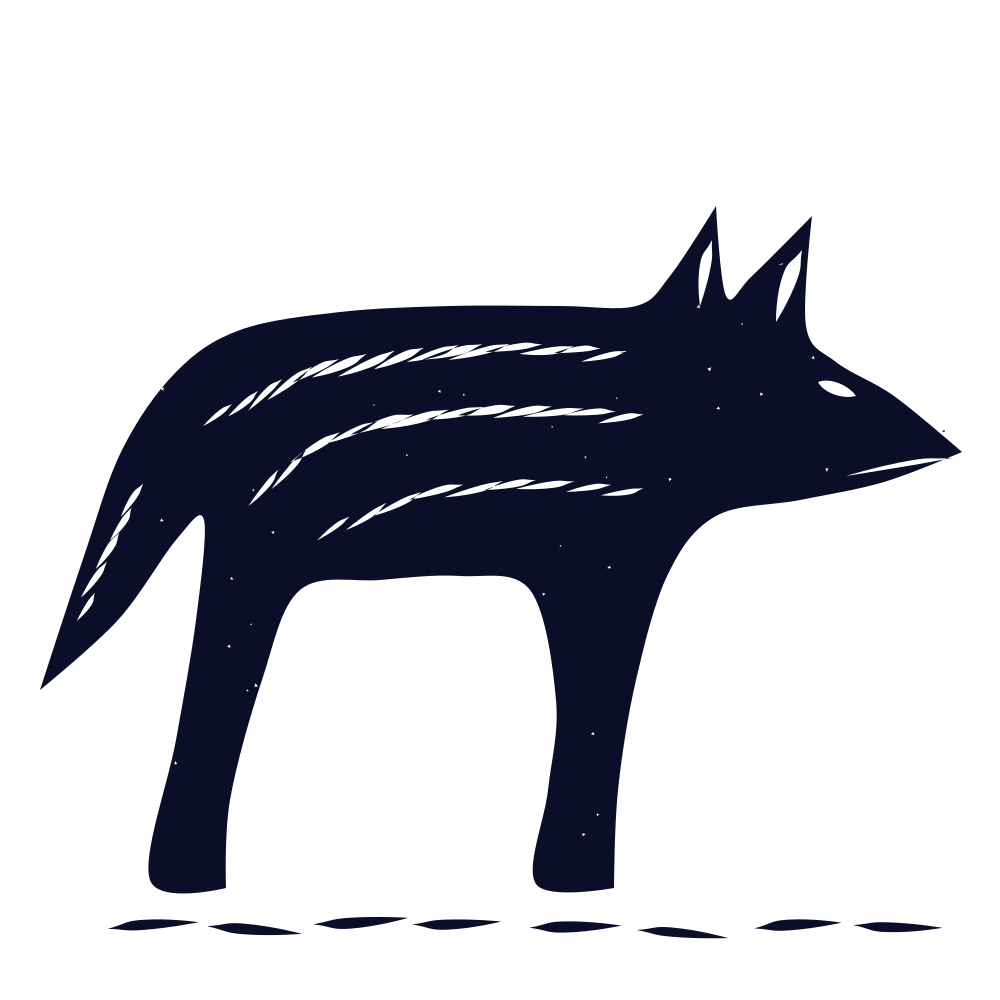

In the beginning, there was a blue-grey wolf, born of high heaven’s destiny, and a fallow doe of radiant white beauty. Together, they crossed the great inland sea, the Tengis, and traveled across the vast, windswept steppes of Central Asia. They made their home at the foot of the sacred mountain Burkhan Khaldun, near the source of the Onon River. From their union was born Batachi Khan, the first of a line of noble chiefs. Generation after generation, the strength of the wolf and the grace of the doe flowed through their descendants, eventually culminating in the birth of Temujin, known to history as Genghis Khan. This foundational myth establishes the Mongols as children of the wild earth and the eternal sky, destined to rule the boundless horizon.
Our origins are a blend of celestial destiny and earthly grace, reminding us that we carry the strength of our ancestors within us.
Questions about this story
What is the moral of The Blue Wolf and White Doe?
The story teaches that great leaders and nations are born from the union of heavenly will and earthly endurance. It emphasizes honoring one's heritage and the divine destiny inherent in every individual’s lineage.
Who are Borte Chino and Goo Maral?
Borte Chino is the 'Blue-Grey Wolf' and Goo Maral is the 'Fallow Doe,' the legendary progenitors of the Mongol people. They represent the symbolic union of heaven and earth in the lineage of Genghis Khan.
Where does the story of The Blue Wolf and White Doe come from?
The myth is the opening passage of 'The Secret History of the Mongols,' the oldest surviving literary work in the Mongolian language. It was written for the Mongol royal family shortly after the death of Genghis Khan.
What does the Blue Wolf symbolize in Mongolian culture?
The wolf symbolizes strength, intelligence, and the connection to 'Tengri' or the Eternal Blue Sky. It represents the fierce, predatory spirit needed to survive and thrive on the open steppe.
Advertisement

Good night.
