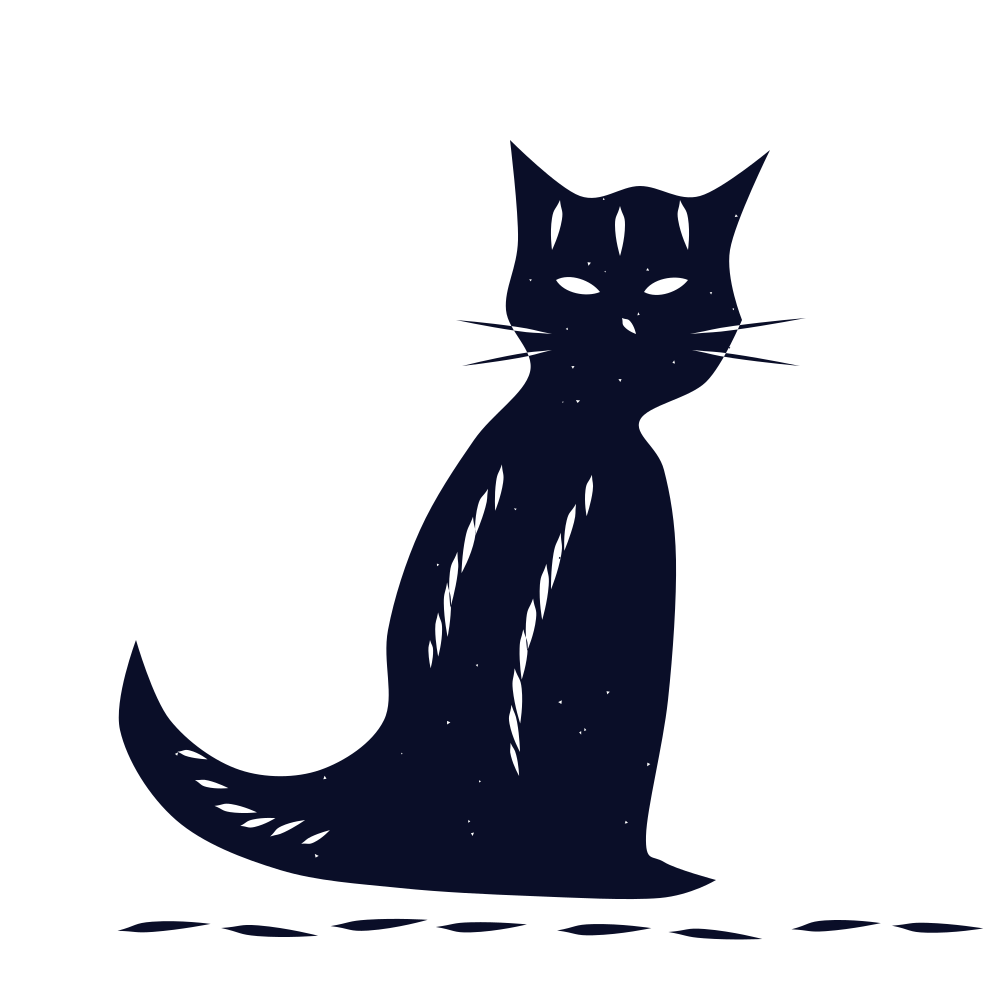

Jack was looking for work when he came upon a miller who offered him a high wage to stay overnight in a mill that everyone said was haunted. Jack wasn't afraid and sat by the fireplace that night to fry some meat for his supper. As the grease began to pop, a large black cat walked in, sat on the hearth, and yelled, 'Sop, doll!' Jack didn't pay it much mind until several more cats joined in, all shouting 'Sop, doll!' and dipping their paws into his hot grease. When the largest cat reached into the pan, Jack grabbed his hatchet and chopped its paw right off. The cats vanished instantly. The next morning, the miller’s wife was found in bed, deathly ill and refusing to show her hands. Jack pulled back the quilt to reveal a missing hand that matched the paw he’d taken, exposing her as a witch and breaking the curse on the mill.
Courage and a sharp wit can expose the hidden evils lurking behind a friendly or familiar face.
Questions about this story
What is the moral of Sop Doll Jack?
The story teaches that bravery and quick thinking can expose hidden evils. It suggests that things are not always what they seem and that justice requires confronting one's fears.
What does 'Sop Doll' mean in the story?
The phrase is a colloquialism for dipping bread or a paw into gravy or fat. In the context of the tale, it serves as a rhythmic, eerie incantation used by the witches in cat form.
Who is the antagonist in Sop Doll Jack?
The primary antagonist is the miller's wife, who is secretly a witch. She transforms into a black cat to terrorize those staying at the mill and steal their food.
Where did the Jack Tales originate?
Jack Tales are a cycle of Appalachian folktales brought over by Scotch-Irish immigrants. They evolved in the Blue Ridge Mountains, featuring a clever protagonist who often outwits giants or witches.
Advertisement

Good night.
