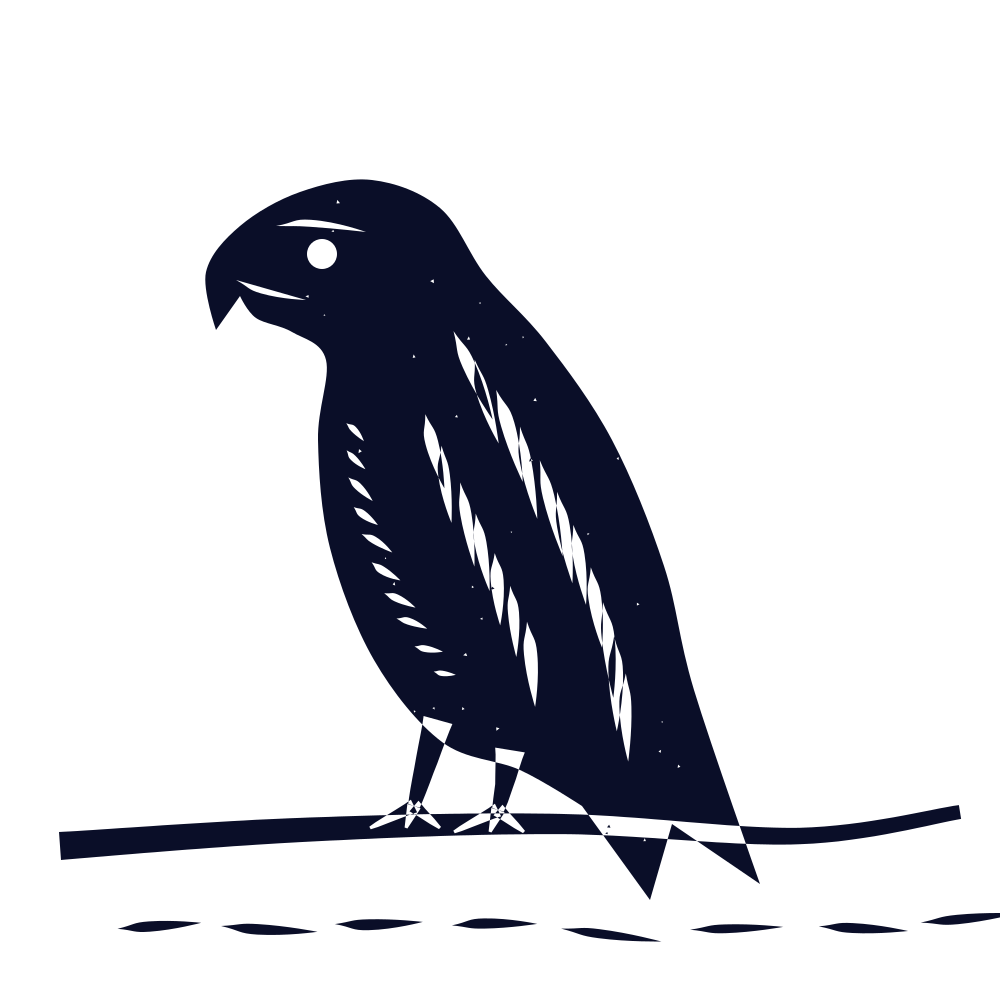

Etana, the pious King of Kish, ruled a land without an heir. Distressed by his lack of a successor, he prayed daily to the sun god Shamash for the 'plant of birth.' Shamash heard his cries and directed Etana to a deep pit where a great eagle lay dying, its wings clipped by a serpent it had betrayed. Etana showed mercy, nursing the eagle back to health over seven months. In gratitude, the eagle offered to carry Etana to the highest heavens to find the plant. Clutching the eagle’s neck, the king ascended until the earth beneath him vanished from sight. Though gripped by a mortal fear as they neared the throne of Ishtar, Etana’s courage and the eagle’s strength eventually secured the sacred plant. Returning to earth, Etana fathered a son, Balih, ensuring his lineage and the stability of his kingdom for generations to come.
Kindness to those in need creates powerful alliances that can help overcome personal limitations and achieve divine favor.
Questions about this story
What is the moral of Etana and the Eagle?
The story emphasizes that acts of mercy and loyalty lead to divine rewards. By saving the eagle, Etana gains the means to achieve what no human could do alone.
Why did Etana need the plant of birth?
Etana was the King of Kish but remained childless, threatening the stability of his dynasty. He sought the mythical plant of birth to ensure he had an heir to succeed him.
How did the eagle end up in the pit?
The eagle and a serpent made a pact of friendship, but the eagle betrayed it by eating the serpent's young. In revenge, the serpent lured the eagle into a pit and clipped its wings.
Is Etana a historical figure?
Etana appears in the Sumerian King List as one of the earliest post-flood kings. While he likely existed, his story is heavily mythologized in ancient cuneiform texts.
Advertisement

Good night.
