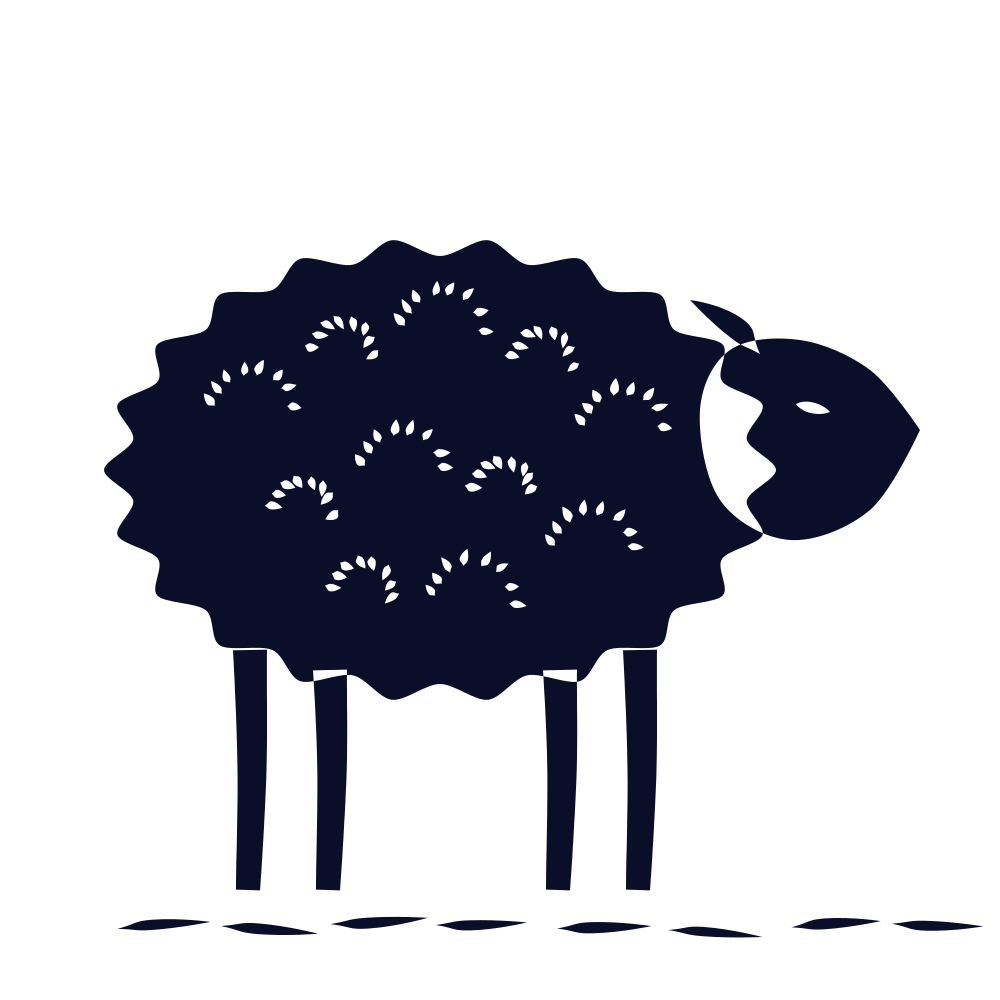

In the vast steppes of ancient Uzbekistan lived Avaz, a humble shepherd known for his honesty and the enchanting melodies he played on his flute. While other shepherds sought to increase their wealth by deceit, Avaz cared for his flock with such devotion that the animals followed him like children. Word of his integrity reached the ears of the great Khan, who decided to test the young man. The Khan disguised himself as a traveler and offered Avaz a chest of gold in exchange for the finest ram in the flock, which belonged to the state. Avaz refused, stating that a man’s word is his bond and he would not sell what was not his, even for a kingdom. Impressed by this unwavering virtue, the Khan revealed himself and appointed Avaz as his chief advisor. Throughout his life in the palace, Avaz kept his old shepherd’s cloak and flute in a locked room, visiting them daily to remind himself of his humble roots and the simple honesty that brought him to power.
True nobility is found in honesty and remembering one's humble beginnings, regardless of one's eventual success.
Questions about this story
What is the moral of Avaz the Shepherd?
The story teaches that integrity and honesty are more valuable than gold. It also emphasizes the importance of humility and never forgetting one's roots even after achieving great success.
Who is Avaz in Central Asian folklore?
Avaz is a recurring hero in Uzbek and Central Asian oral traditions, often depicted as a wise, brave, and honest commoner. He is frequently associated with the 'Gorogly' epic cycle as the adopted son of the hero.
What role does the shepherd's cloak play in the story?
The cloak serves as a symbol of humility. By keeping it and visiting it daily, Avaz ensures that the power of the palace does not corrupt his character or make him forget his origins.
Is Avaz a historical figure?
While Avaz is likely a legendary figure rather than a documented historical person, he represents the cultural values and virtues idealized by the people of Central Asia over centuries.
Advertisement



Good night.
