Story Summary
Discover the journey of Milarepa the Yogi, from a vengeful sorcerer to Tibet’s most beloved saint. A tale of karma, devotion, and ultimate enlightenment.
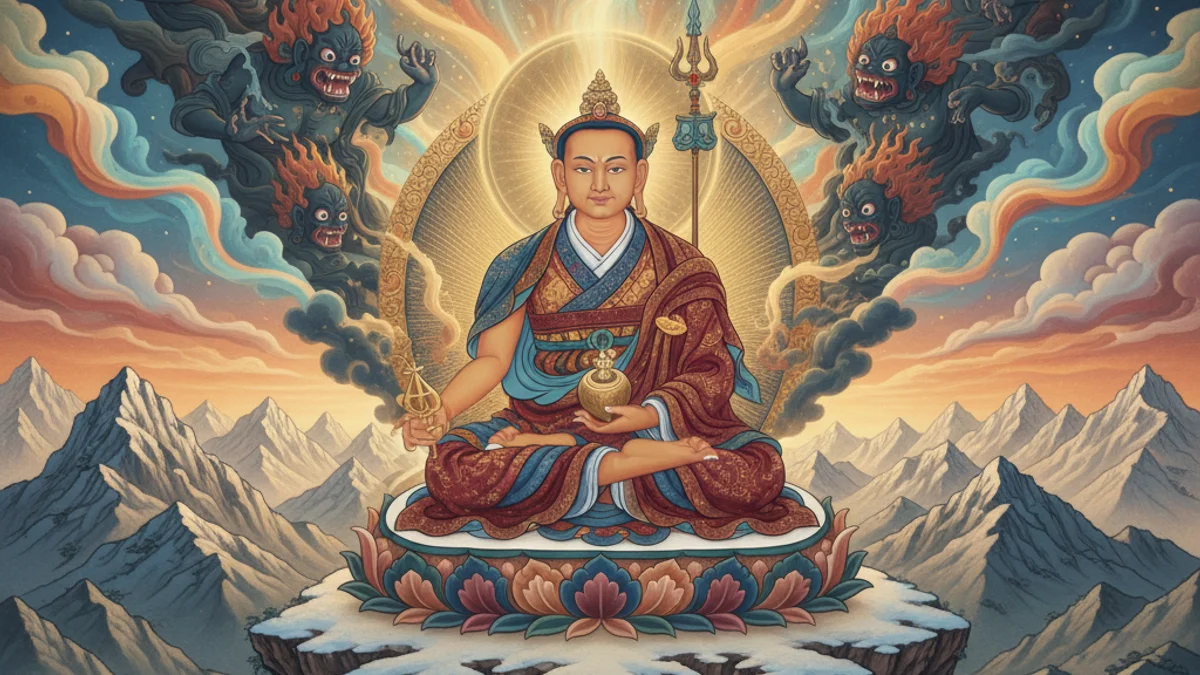
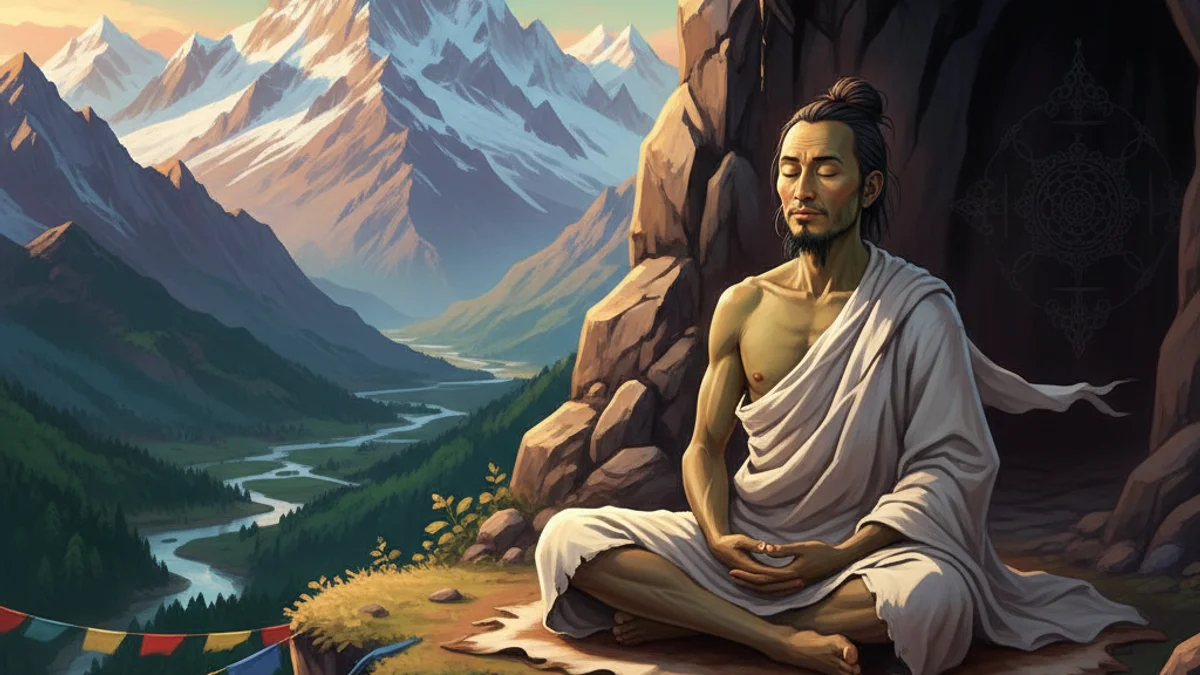
In the rugged mountains of 11th-century Tibet, a young man named Milarepa sought a dark path. After his father's death, his greedy aunt and uncle stole his family’s inheritance, leaving Milarepa and his mother in poverty. At his mother's urging, Milarepa mastered black magic and summoned a hailstorm that destroyed his relatives' house, killing thirty-five people. However, the weight of his sins soon crushed his spirit. Desperate for redemption, he sought the wisdom of the great master Marpa the Translator. Marpa, seeing Milarepa’s potential and his heavy karma, treated him with extreme harshness. He commanded Milarepa to build massive stone towers with his bare hands, only to order him to tear them down and return the stones to their original spots. Milarepa’s body was covered in sores, yet he never wavered in his devotion. Finally, after years of grueling labor and purification, Marpa initiated him into the secret teachings. Milarepa retreated to the high caves of the Himalayas, where he meditated for decades, surviving only on nettle soup until his skin turned green. Through profound discipline and the songs of his realization, he achieved enlightenment, becoming Tibet's most beloved yogi and proof that even the greatest sinner can become a saint.
The Moral
No matter how dark one's past, sincere repentance, unwavering devotion, and hard work can lead to spiritual liberation and inner peace.
“My religion is to live and die without regret.”
Fun Fact
Milarepa is famous for his 'Hundred Thousand Songs,' a massive collection of poetic verses he used to teach complex Buddhist philosophy to common people.
Frequently Asked Questions
What is the moral of Milarepa the Yogi?
The story teaches that through intense dedication and the purification of negative karma, anyone can achieve enlightenment. It emphasizes that our past does not define our future if we are willing to change.
Why did Milarepa use black magic early in his life?
He sought revenge against his aunt and uncle who had stolen his family's wealth and forced them into servitude. His mother encouraged him to learn sorcery to reclaim their dignity through destruction.
Who was Marpa the Translator in the story?
Marpa was a renowned Buddhist teacher who became Milarepa's guru. He used 'skillful means,' including harsh physical labor, to help Milarepa burn away his heavy negative karma quickly.
Why is Milarepa often depicted with green skin?
During his many years of solitary meditation in mountain caves, he ate only wild nettles. This diet lacked pigment variety and eventually gave his skin a distinct greenish hue in traditional depictions.
What were the trials of the towers?
Marpa ordered Milarepa to build and dismantle several stone towers alone. This grueling task was designed to test Milarepa's resolve and physically manifest the purification of his past sins.
Is Milarepa a real historical figure?
Yes, Milarepa is a historical figure from 11th-century Tibet. He is considered one of the founders of the Kagyu school of Tibetan Buddhism and a master of spontaneous spiritual poetry.
Discussion (0)
Share your thoughts on this story
No comments yet. Be the first to share your thoughts!