Story Summary
Explore the legendary Arthur's Court at Camelot, where the Round Table united brave knights under a code of chivalry to defend justice and equality for all.
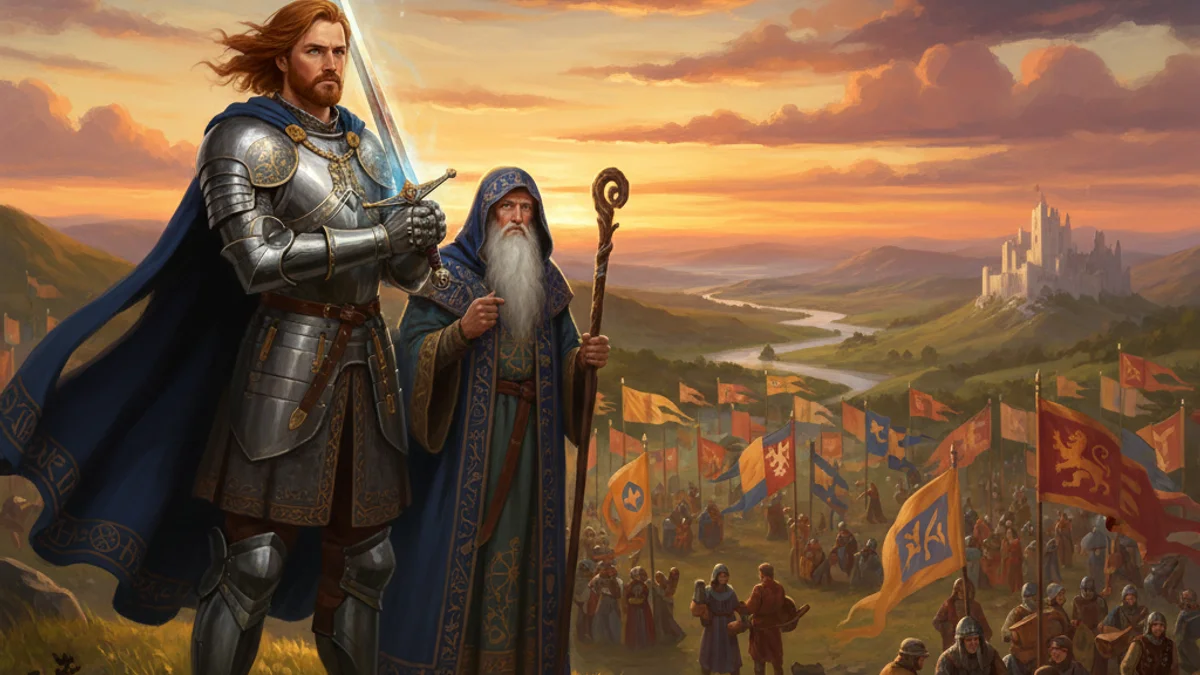
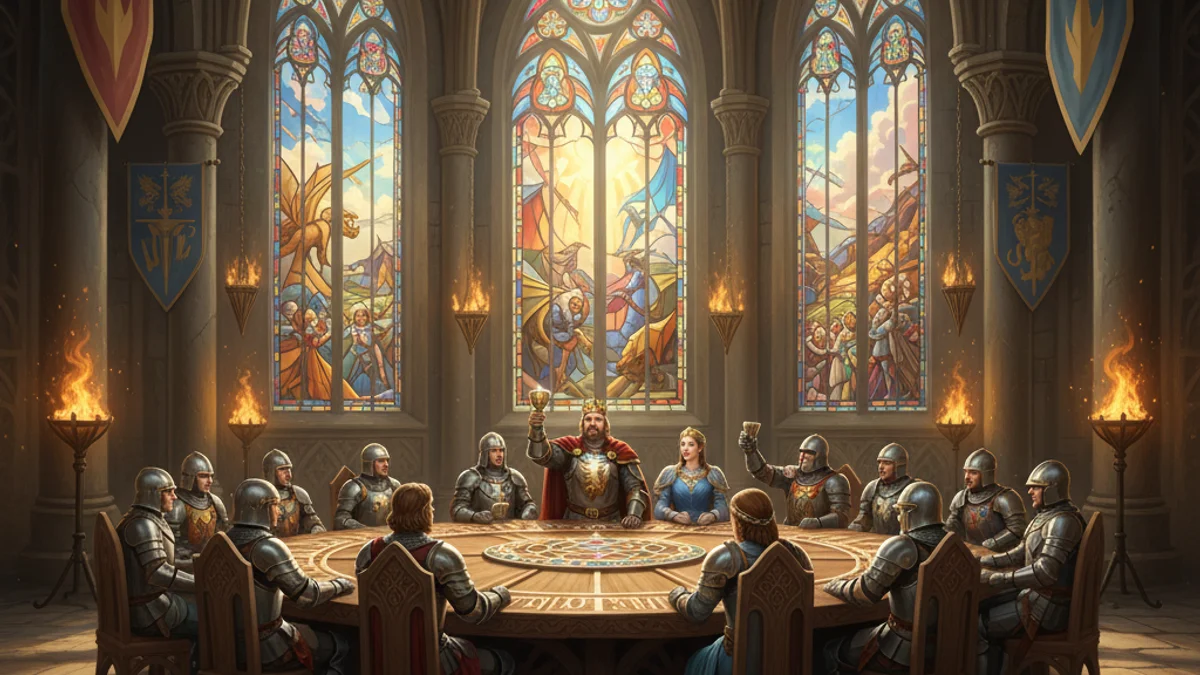
At the heart of Britain stood Camelot, a golden city where King Arthur established a court unlike any the world had seen. Guided by Merlin’s wisdom, Arthur sought to replace the rule of might with the rule of right. Central to this vision was the Round Table, a gift from Queen Guinevere’s father, designed specifically so that no knight could claim precedence over another. Here, legendary figures like Lancelot and Gawain gathered to swear sacred oaths of chivalry—to protect the weak, uphold justice, and remain loyal to the crown. Camelot became a beacon of peace and enlightenment, a brief, shining moment where the ideals of brotherhood and honor flourished amidst a turbulent age. Though the court would eventually face internal trials and the weight of human frailty, the legacy of its united fellowship remains the ultimate symbol of a perfect society grounded in mutual respect.
The Moral
True leadership is found in equality and the collective pursuit of justice rather than individual dominance.
“At this table, every man is equal, and all are bound by honor.”
Fun Fact
The concept of Camelot was not in the earliest Arthurian stories; it was first introduced by the French poet Chrétien de Troyes in the 12th century.
Frequently Asked Questions
What is the significance of the Round Table?
The Round Table symbolized equality among Arthur's knights, ensuring that no one sat at the head or felt superior. It represented a shift from feudal hierarchy to a brotherhood based on shared values and mutual respect.
Where was Camelot located in real life?
Historians have debated Camelot's location for centuries, with sites like Tintagel or Cadbury Castle being popular candidates. However, most scholars agree it is a fictional literary creation representing an idealized British kingdom.
Who were the most famous knights of Camelot?
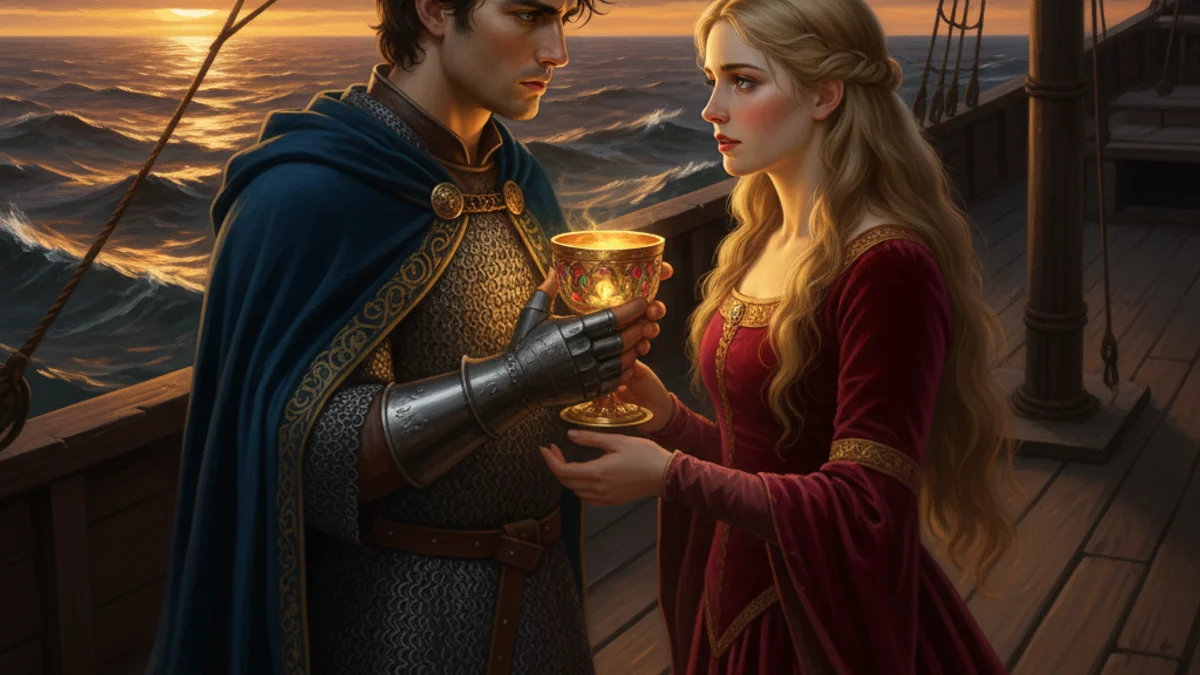
Notable knights included Sir Lancelot, known for his prowess; Sir Gawain, famed for his courage; and Sir Galahad, the purest knight who achieved the Holy Grail. Each embodied different aspects of the chivalric code.
What was the code of chivalry at Arthur's court?
The knights of Camelot swore an oath to never commit outrage or murder, to flee treason, and to give mercy to those who asked. They were also tasked with protecting women and fighting only for just causes.
Did King Arthur really exist?
Arthur is likely a composite figure based on a 5th or 6th-century Romano-British leader who fought against Saxon invaders. While there is no definitive archaeological proof, his legend evolved through centuries of folklore.
Why did the court at Camelot eventually fall?
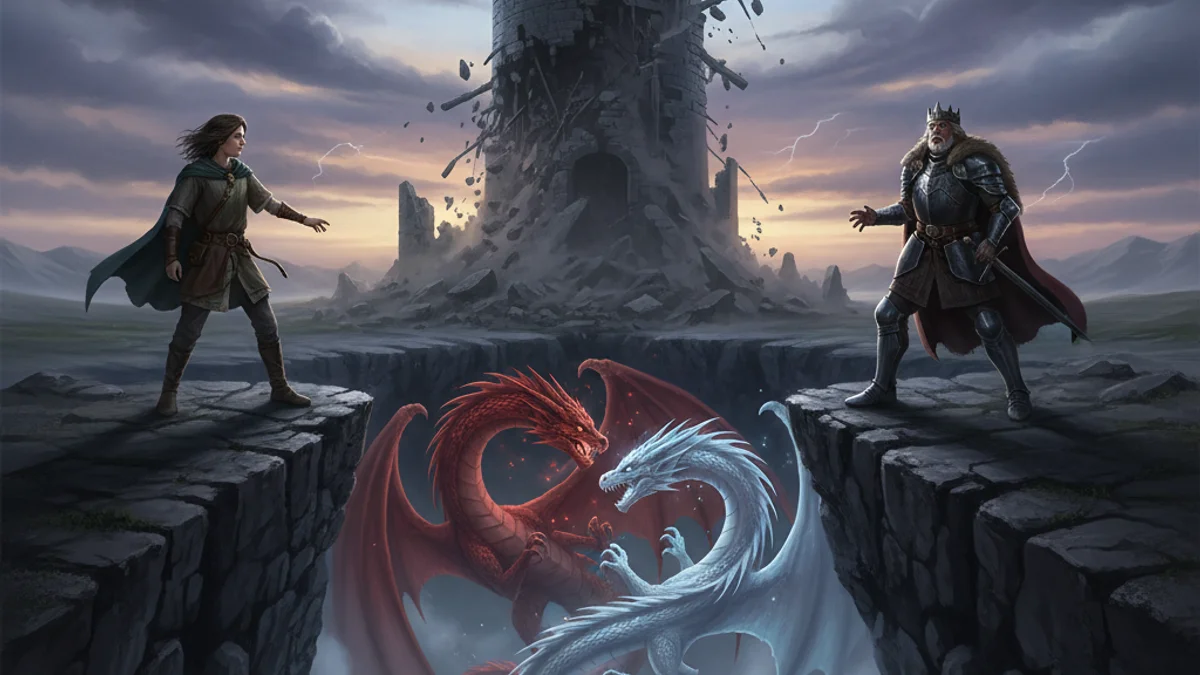
The downfall of Camelot is traditionally attributed to internal conflict, specifically the tragic affair between Lancelot and Guinevere and the betrayal by Mordred. These tensions shattered the unity of the Round Table.
Discussion (0)
Share your thoughts on this story
No comments yet. Be the first to share your thoughts!