Story Summary
In the fable The Belly and the Members, the body parts revolt against the stomach, only to realize that every part must work together for the whole to survive.
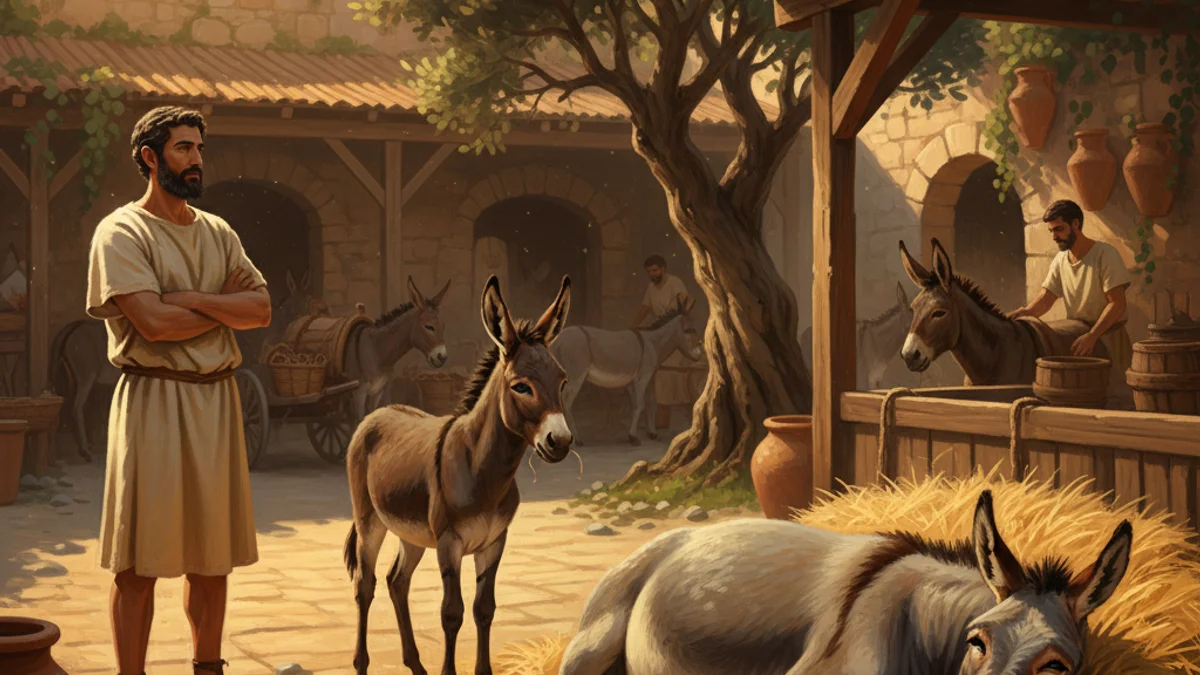
Once, the members of the body began to grumble against the Belly. The Hands felt it was unfair that they did all the heavy lifting, the Feet complained they walked all day to find food, and the Mouth was tired of chewing for another's benefit. They saw the Belly as a lazy, idle glutton that simply sat in the middle and consumed the fruits of their hard labor. To teach the Belly a lesson, the members agreed to go on strike: the Hands would not lift a morsel, the Mouth would not open, and the Teeth would not chew. However, after only a few days of fasting, the Hands grew too weak to move, the Feet could no longer support the frame, and the Mouth became parched and dry. The members realized that while the Belly seemed idle, it was actually busy distributing the very life-blood and energy they needed to function. They learned that by trying to starve the Belly, they were only destroying themselves.
The Moral
In any community or organization, every member plays a vital role, and the success of the whole depends on the cooperation of every part.
“By starving the belly, the whole body perishes.”
Fun Fact
This fable was famously used by the Roman consul Menenius Agrippa in 494 BC to quell a rebellion of the common people against the ruling class.
Frequently Asked Questions
What is the moral of The Belly and the Members?
The moral is that every member of a group is important, regardless of how their role appears. Cooperation is essential for survival, and neglecting one part eventually weakens the entire system.
Who wrote The Belly and the Members?
The story is primarily attributed to Aesop, the ancient Greek fabulist. However, it was also famously adapted by Roman historians like Livy to describe political struggles.
What does the belly represent in the fable?
In a social or political context, the belly often represents the central government or leadership. While it may appear to just consume resources, it is responsible for distributing energy and maintaining order.
Why did the body parts go on strike?
The limbs and mouth believed they were doing all the work while the belly did nothing. They felt it was unfair to provide for someone who did not appear to contribute to the labor.
How is this fable used in history?
The Roman consul Menenius Agrippa famously used this fable to end a strike by the plebeians. He convinced the commoners that the patricians (the belly) were necessary for the survival of the state.
What happens when the members stop working?
The body quickly wastes away, and the members themselves lose their strength. This demonstrates that individual components cannot survive independently of the collective system.
Discussion (0)
Share your thoughts on this story
No comments yet. Be the first to share your thoughts!