Story Summary
Relive the historical fall of the Abbasid Caliphate in The Sack of Baghdad. Discover how Hulagu Khan’s Mongol forces changed the course of world history forever.
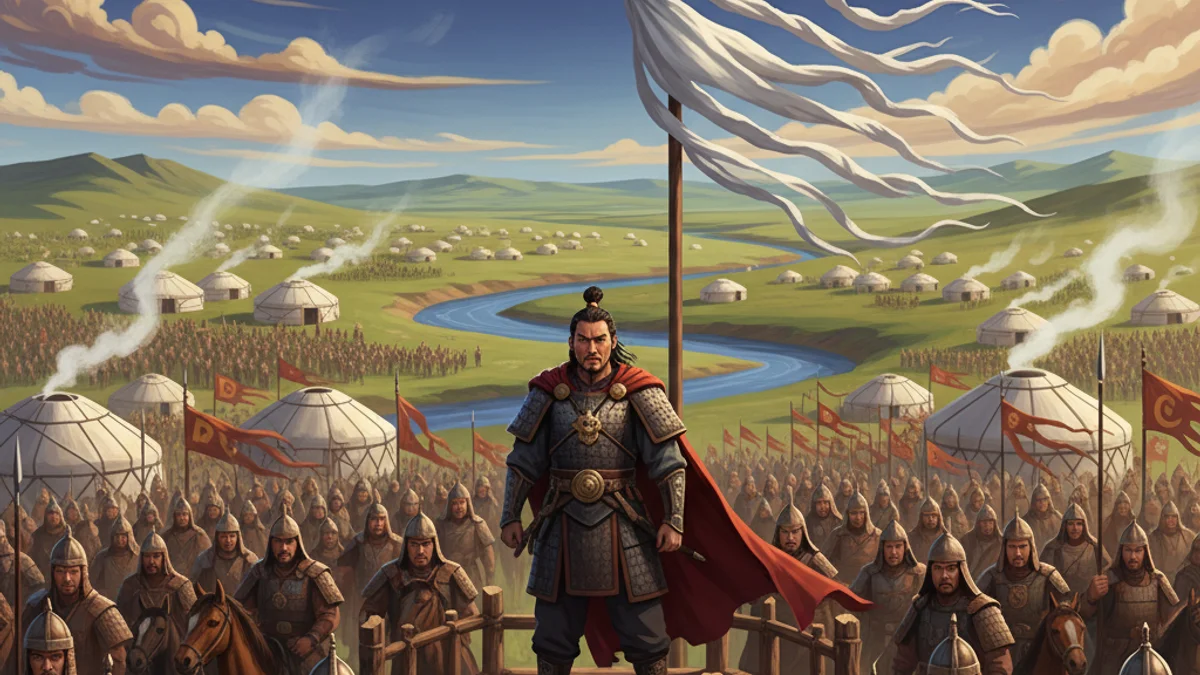
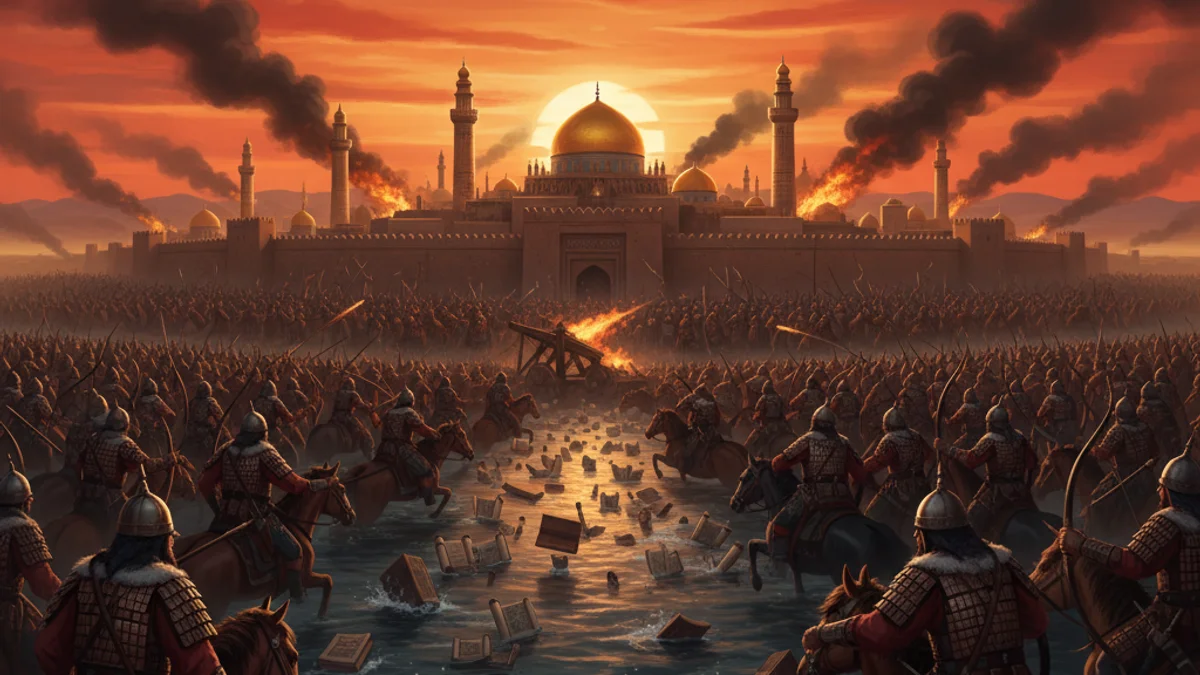
In 1258, the golden spires of Baghdad, the jewel of the Abbasid Caliphate, stood as a testament to centuries of human achievement. Hulagu Khan, the grandson of Genghis, arrived at the gates with a vast Mongol horde, demanding total submission. Caliph Al-Musta'sim, overconfident in the city's prestige and divine protection, ignored the warnings of his advisors and refused the ultimatum. The Mongol siege was methodical and relentless, utilizing advanced siege engines to breach the ancient walls in just days. When the city finally fell, the destruction was absolute. The House of Wisdom, the world’s greatest library, was ransacked. Thousands of irreplaceable manuscripts were cast into the Tigris River; legend says the waters ran black with the ink of the scholars and red with the blood of the inhabitants. This conquest did more than just topple a caliphate; it extinguished the light of the Islamic Golden Age, serving as a grim reminder that even the most brilliant civilizations can be consumed by the fire of war.
The Moral
Arrogance and a lack of preparation can lead to the downfall of even the greatest civilizations, and the loss of knowledge is a tragedy for all mankind.
“The Tigris ran black with the ink of scholars and red with the blood of the fallen.”
Fun Fact
Legend says that after the siege, the Mongol soldiers used the countless books from the city's libraries to create a literal bridge across the Tigris River.
Frequently Asked Questions
What is the moral of The Sack of Baghdad?
The story teaches that intellectual and cultural achievements are fragile and must be protected by wisdom and unity. It also warns against the devastating consequences of political arrogance and isolationism.
Who was Hulagu Khan?
Hulagu Khan was a Mongol ruler and the grandson of Genghis Khan. He founded the Ilkhanate of Persia and led the military campaign that resulted in the destruction of Baghdad.
What was the House of Wisdom?
The House of Wisdom was a major intellectual center in Baghdad during the Islamic Golden Age. it housed a massive library and served as a hub for translation, science, and philosophy.
Why did the Tigris River turn black?
According to legend, the river turned black from the sheer volume of ink used in the manuscripts that the Mongols threw into the water after looting the city's libraries.
How did the Mongol siege tactics work?
The Mongols used a combination of iron discipline, psychological warfare, and sophisticated siege engines, including catapults and battering rams, often operated by engineers from conquered lands.
What was the long-term impact of this event?
The fall of Baghdad marked the end of the Islamic Golden Age and the Abbasid Caliphate. It shifted the center of Islamic power and caused a significant decline in the region's scientific output for centuries.
Discussion (0)
Share your thoughts on this story
No comments yet. Be the first to share your thoughts!