Story Summary
Discover the legend of The Three Sovereigns, the divine rulers Fuxi, Nüwa, and Shennong, who brought wisdom, life, and agriculture to ancient Chinese culture.
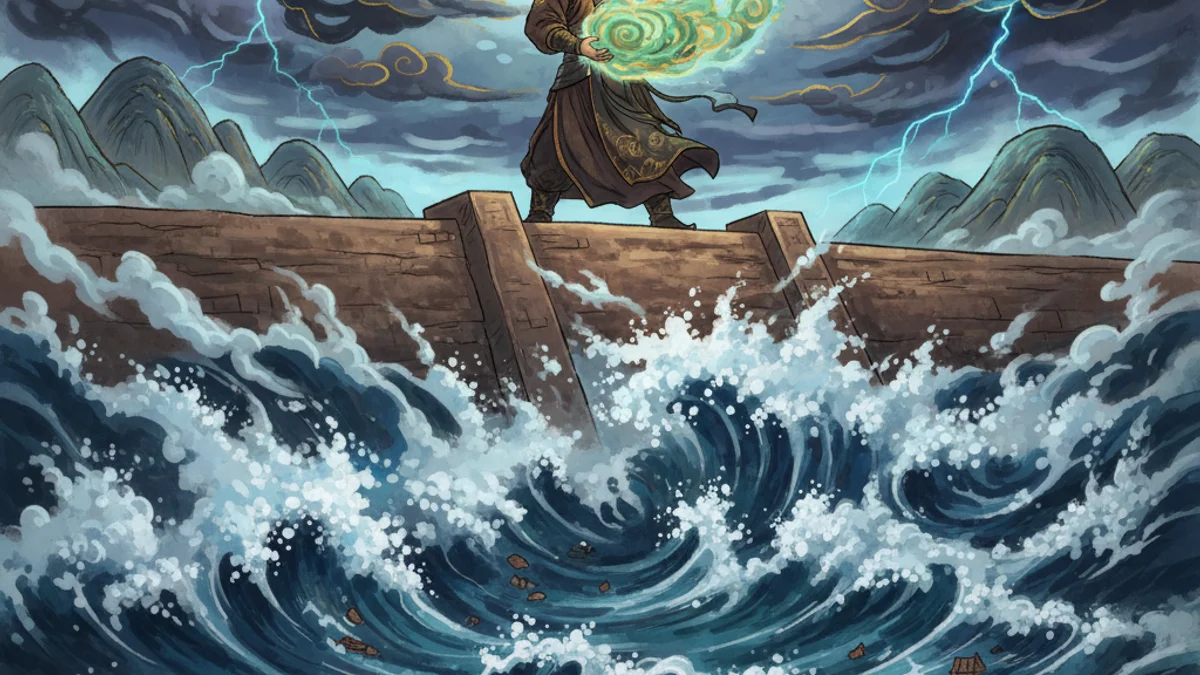
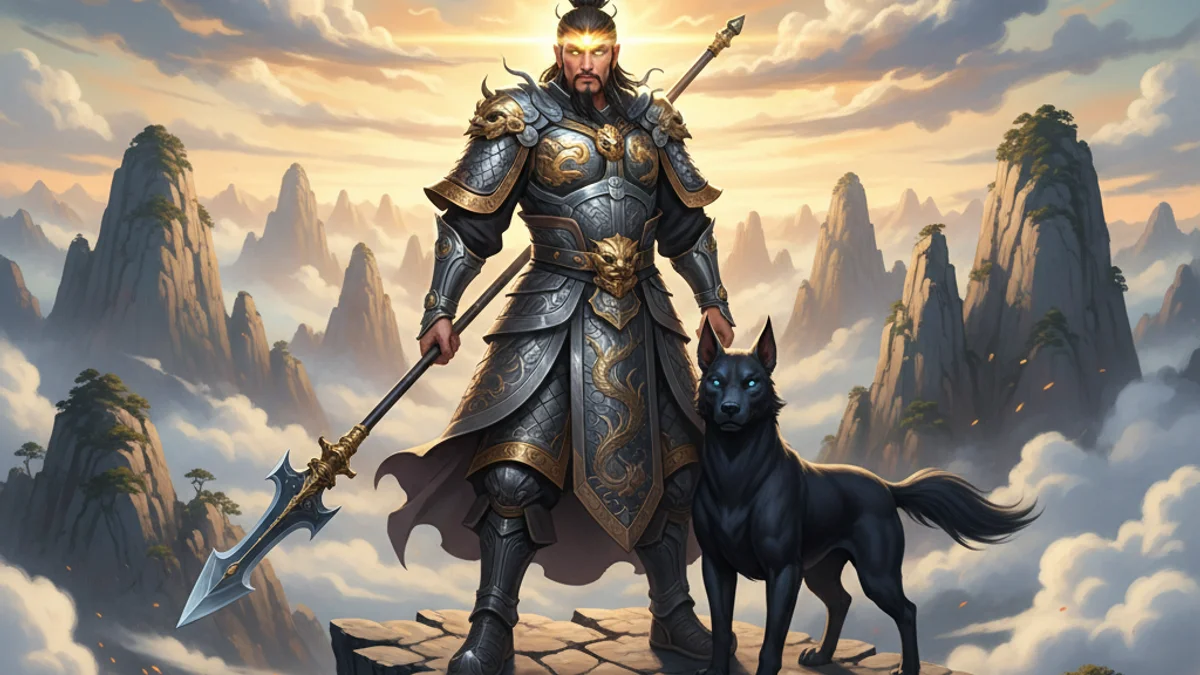
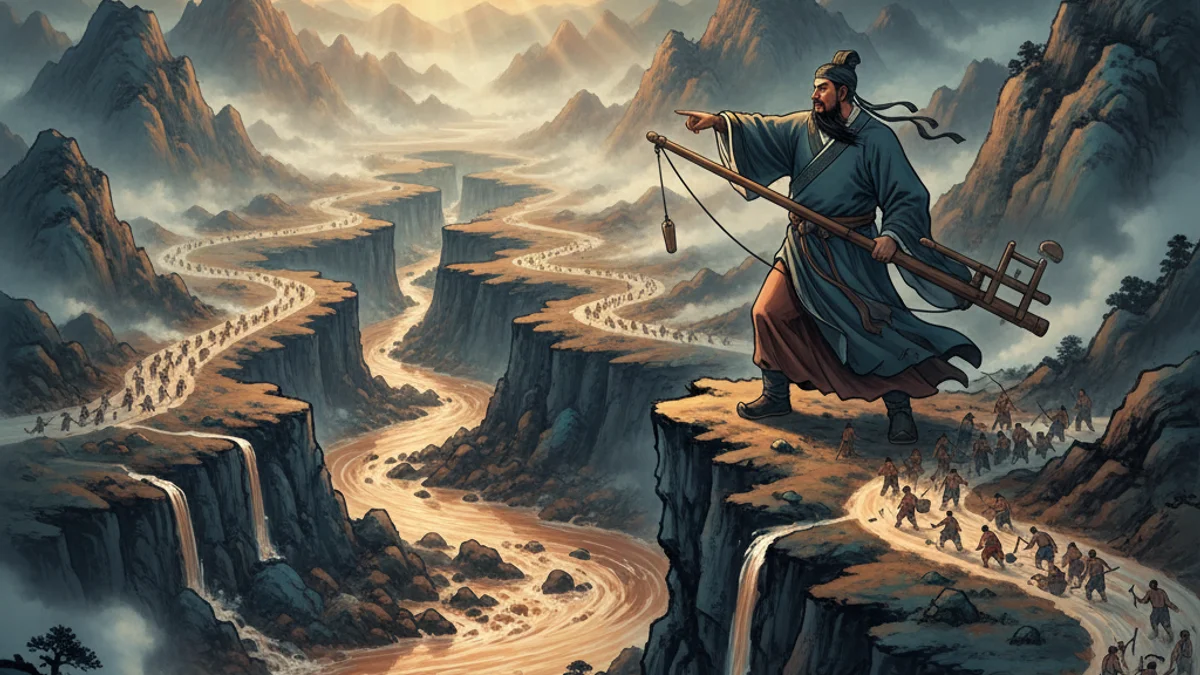
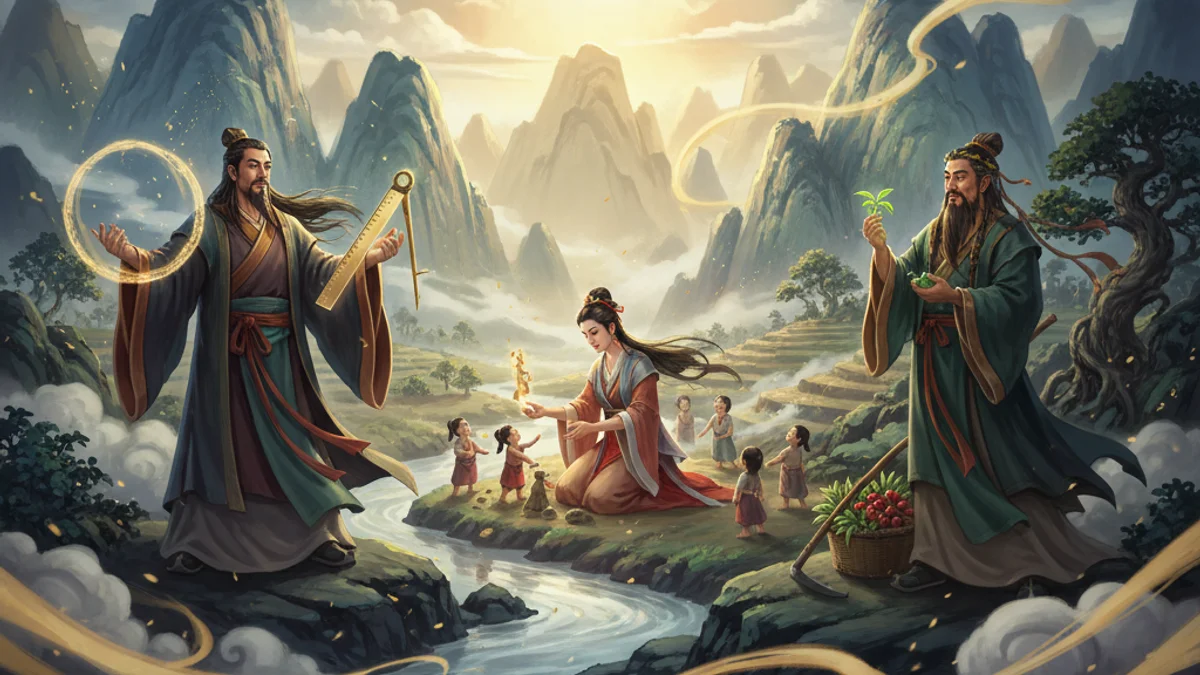
In the primordial era following the separation of heaven and earth, three divine rulers descended to guide humanity from darkness into civilization. First came Fuxi, the Heavenly Sovereign, who bestowed the gifts of hunting, fishing, and the Eight Trigrams, teaching mortals to read the rhythms of the universe. He was followed by Nüwa, the Terrestrial Sovereign, who lovingly molded the first humans from yellow clay and later mended the broken sky with five-colored stones to save her children from extinction. Finally, Shennong, the Human Sovereign and Divine Farmer, appeared. He braved the wilderness to taste hundreds of herbs, discovering medicine and teaching the people to till the earth for grain. Through their wisdom and sacrifice, the Three Sovereigns transformed a wild world into a structured society, establishing the lineage of the Middle Kingdom and the fundamental pillars of human culture.
The Moral
Civilization is built upon the pillars of wisdom, compassion, and tireless innovation for the benefit of all.
“They brought fire to the cold, order to the chaos, and life to the clay.”
Fun Fact
In many artistic depictions, Fuxi and Nüwa are shown with intertwined serpent tails, symbolizing the union of Yin and Yang and the balance of the universe.
Frequently Asked Questions
What is the moral of The Three Sovereigns?
The story teaches that progress and civilization are the results of divine wisdom, hard work, and care for humanity. It emphasizes that leaders should serve their people by providing tools for survival and enlightenment.
Who are the Three Sovereigns in Chinese mythology?
The Three Sovereigns are most commonly identified as Fuxi, Nüwa, and Shennong. They are legendary god-kings who ruled before the Five Emperors and are credited with inventing the essential elements of human life.
What did Fuxi contribute to humanity?
Fuxi is credited with inventing hunting, fishing, and the Eight Trigrams, which became the basis for Chinese philosophy and divination. He is often depicted alongside Nüwa as a half-human, half-serpent being.
How did Nüwa save the world?
Nüwa is the mother goddess who created humans from yellow clay. When the pillars of heaven collapsed during a war between gods, she smelted five-colored stones to repair the sky and save humanity from destruction.
Why is Shennong called the Divine Farmer?
Shennong is known as the father of Chinese agriculture and medicine. He is famous for tasting hundreds of wild herbs to identify their medicinal properties, often poisoning himself in the process to help his people.
Are the Three Sovereigns historical figures?
While they are treated as myths today, ancient Chinese historians often recorded them as real prehistoric rulers. They represent different stages of early human development, such as the transition to settled farming and writing.