Story Summary
Discover the transformative tale of Mahavira and the Serpent, where the power of non-violence and compassion calms the venomous wrath of Chandakaushika.
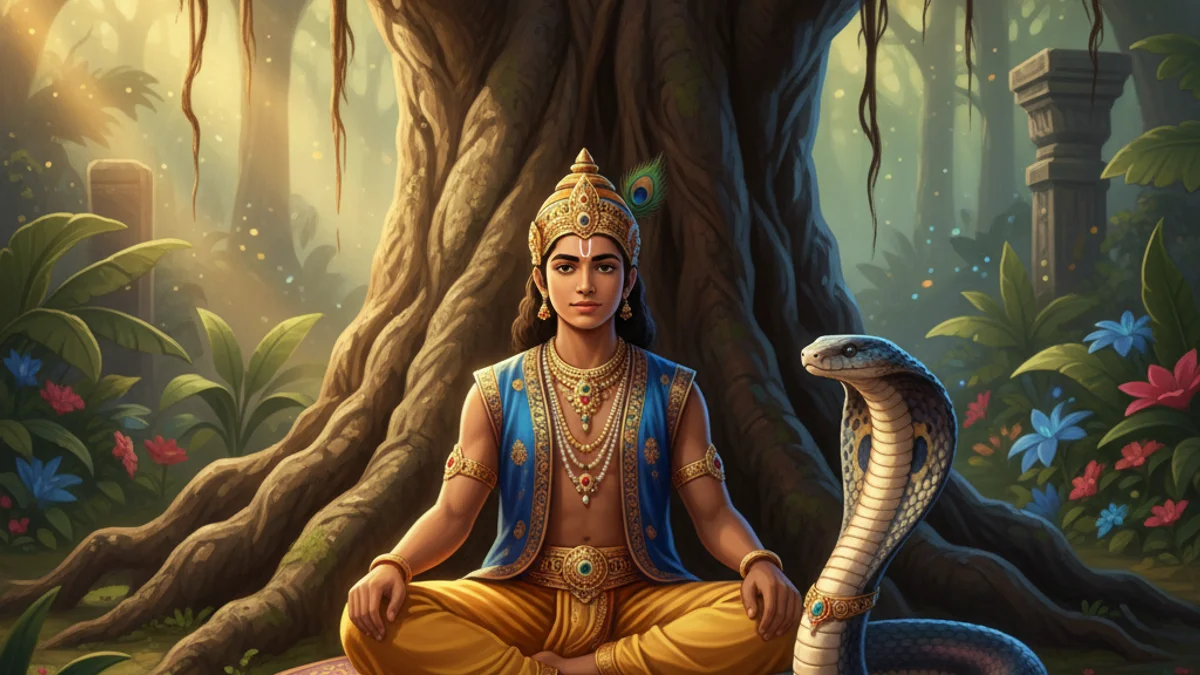
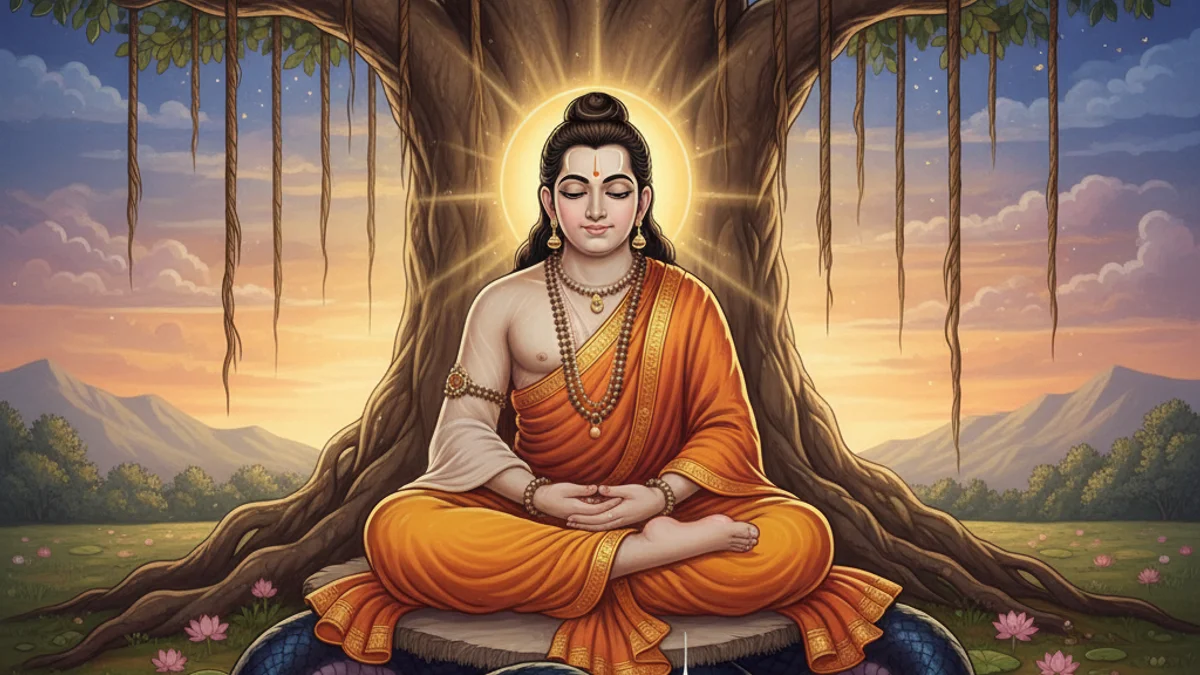
While traveling through the dense forests of Kanakakhala, Lord Mahavira was warned of a fierce, venomous serpent named Chandakaushika, whose very gaze could wither plants and whose bite brought instant death. Ignoring the warnings, Mahavira entered the serpent's territory and sat in deep meditation. Disturbed by his presence, Chandakaushika emerged, hissing and spewing venom. He bit Mahavira’s toe with all his might, but to the serpent's astonishment, instead of blood, pure white milk flowed from the wound. Mahavira opened his eyes, radiating infinite compassion, and spoke gently: 'Bujh, Bujh, Chandakaushika'—meaning, 'Awaken, Chandakaushika, and realize what you are doing.' The serpent, touched by the Lord's divine aura and calm words, suddenly remembered his past lives which were ruined by anger. Realizing his folly, the serpent bowed his head in repentance and spent his remaining days in peaceful meditation until he attained a higher state of existence.
The Moral
True non-violence and compassion have the power to transform even the most venomous hearts and neutralize deep-seated hatred.
“Awaken, Chandakaushika, and realize the truth of your soul.”
Fun Fact
In Jainism, this story is a cornerstone for teaching the concept of 'Samveg,' which is the realization of the repetitive and painful nature of worldly existence through the memory of past lives.
Frequently Asked Questions
What is the moral of Mahavira and the Serpent?
The moral is that compassion (Karuna) and non-violence (Ahimsa) are more powerful than anger. It teaches that even the most aggressive beings can be transformed through kindness and spiritual awakening.
Who was Chandakaushika in this Jain story?
Chandakaushika was a deadly serpent known for his extreme anger and venomous bite. In Jain tradition, he was a monk in his previous lives who was reborn as a snake due to his uncontrollable temper.
Why did milk flow from Mahavira's wound?
The white milk symbolizes Mahavira's absolute purity and lack of worldly passions. It represents the idea that his soul was so filled with peace and love that even his physical body responded with life-giving milk instead of blood.
What does 'Bujh, Bujh, Chandakaushika' mean?
The phrase translates to 'Awaken, Chandakaushika.' Mahavira was urging the serpent to wake up from the slumber of ignorance and anger, and to realize the karmic consequences of its actions.
How did Mahavira defeat the serpent?
Mahavira did not use physical force; he 'defeated' the serpent's anger using spiritual strength, silence, and a compassionate gaze that forced the creature to reflect on its own nature.
What happened to the serpent at the end of the story?
The serpent repented for its past sins and took a vow of peace. It stopped harming others and fasted until its death, eventually ascending to a celestial realm due to its spiritual transformation.
Discussion (0)
Share your thoughts on this story
No comments yet. Be the first to share your thoughts!