Story Summary
Explore the legendary Banda Singh Bahadur's Campaigns, where he led the Khalsa to dismantle oppression and establish the first sovereign Sikh state in India.
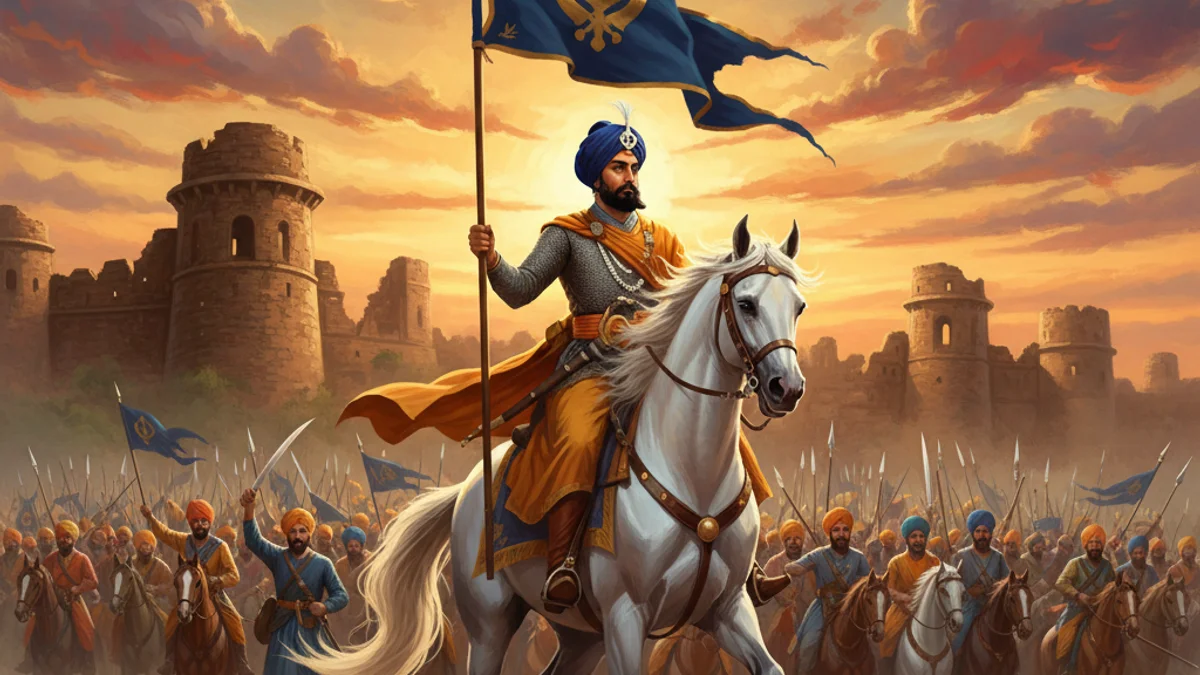
After meeting Guru Gobind Singh Ji at Nanded, the ascetic Madho Das was transformed into Banda Singh Bahadur. The Guru sent him to Punjab with five arrows from his own quiver and a council of five Sikhs to lead the Khalsa against the oppressive Mughal rule. Banda Singh's mission was clear: to punish the tyrants and establish justice. His campaigns began with the capture of Samana and culminated in the historic Battle of Chappar Chiri. There, he defeated Wazir Khan, the Governor of Sirhind who was responsible for the martyrdom of the younger Sahibzadas. Banda Singh Bahadur did not just win battles; he revolutionized the social order. He abolished the cruel Zamindari system, giving land ownership back to the farmers who tilled it. He established the first sovereign Sikh state, minting coins in the name of the Gurus and proving that the Khalsa could govern as well as fight. His campaigns were a thunderous response to centuries of subjugation, igniting a spirit of independence that would eventually lead to the Khalsa Raj.
The Moral
True strength lies in using power to dismantle systemic oppression and restore dignity to the marginalized.
“I am the slave of the Guru, sent to punish the tyrants and establish the rule of righteousness.”
Fun Fact
Banda Singh Bahadur was the first ruler to issue Sikh coinage, which bore the names of Guru Nanak Dev Ji and Guru Gobind Singh Ji instead of his own.
Frequently Asked Questions
What is the moral of Banda Singh Bahadur's Campaigns?
The moral is that righteousness must eventually triumph over tyranny through courage and organization. It teaches that leadership should focus on justice for the common people and the removal of oppressive systems.
Why did Banda Singh Bahadur attack Sirhind?
He targeted Sirhind to bring Wazir Khan to justice for his role in the execution of the younger sons of Guru Gobind Singh. It was a mission to avenge the innocent and end the reign of a cruel governor.
What was the significance of the five arrows?
The five arrows were a gift from Guru Gobind Singh Ji, symbolizing his blessing, authority, and the divine support of the Guru. They served as a reminder of his mission to protect the righteous and destroy the wicked.
How did Banda Singh Bahadur change the land system?
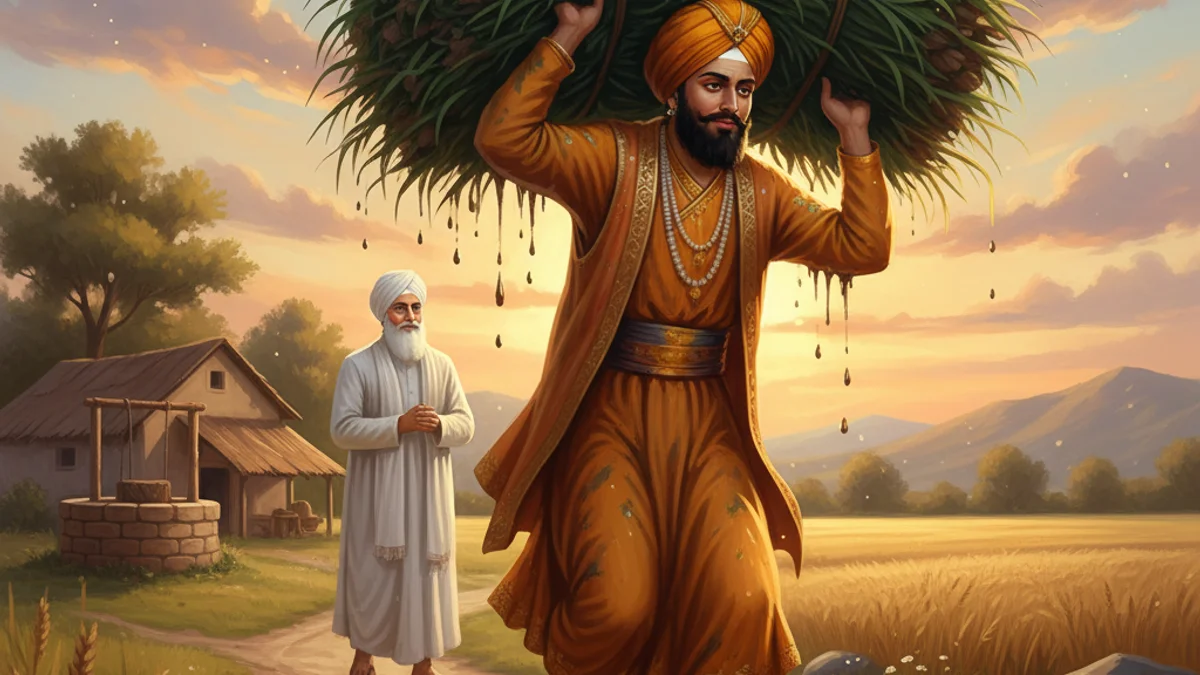
He abolished the Zamindari system, which had kept peasants in a state of near-slavery to wealthy landlords. By making the tillers the actual owners of the land, he brought about a massive social and economic revolution.
What was the Battle of Chappar Chiri?
This was the decisive battle fought in 1710 where the Sikh forces defeated the larger Mughal army of Sirhind. This victory led to the establishment of the first Sikh rule in the Punjab region.
What does the name 'Banda' signify?
The name 'Banda' means 'slave' or 'servant.' By calling himself Banda Singh, he declared that he was now a humble servant of the Guru and the Khalsa, abandoning his previous life as a recluse.