The Shipwrecked Man and the Sea
Story Summary
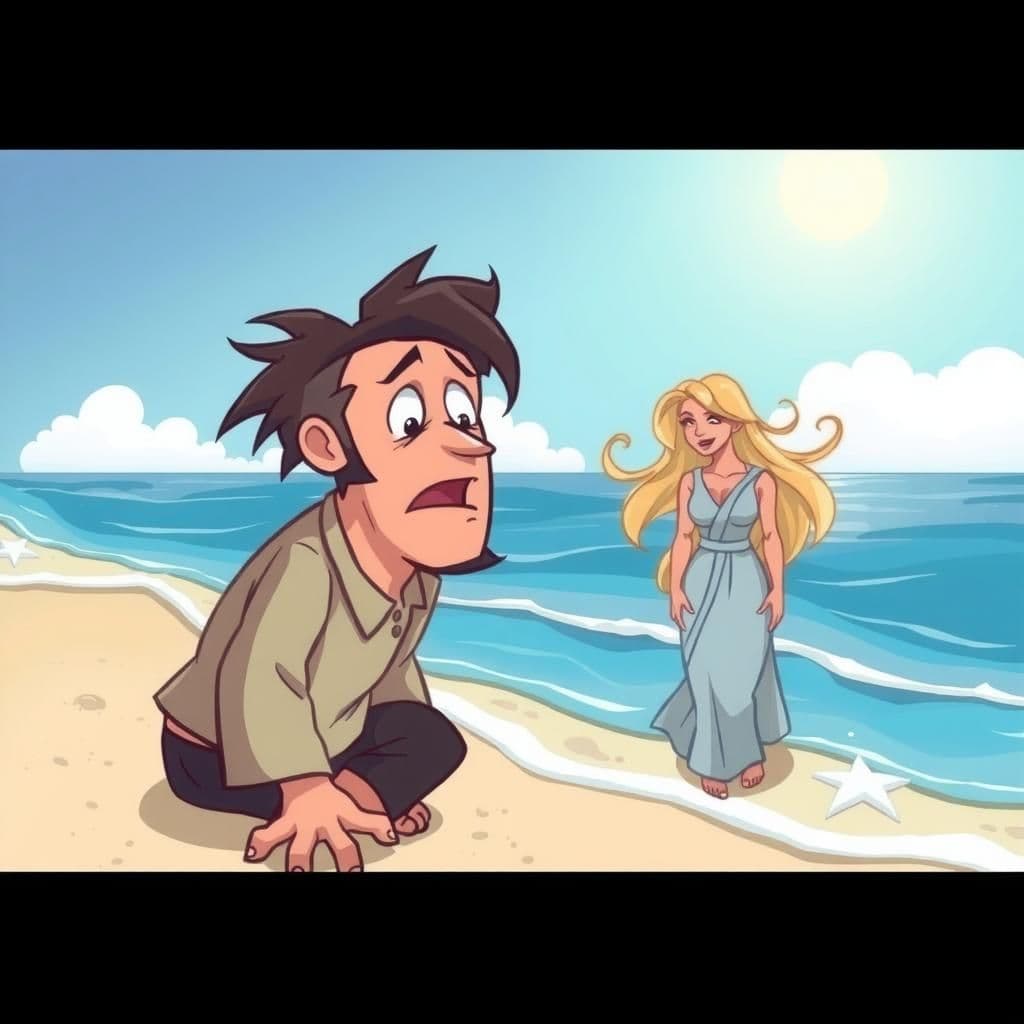
In "The Shipwrecked Man and the Sea," a shipwrecked man awakens on the shore and blames the Sea for its deceptive calmness that leads sailors to disaster, making it a compelling example of well-known moral stories. The Sea, taking the form of a woman, defends itself by explaining that it is the winds that disturb its natural tranquility and create perilous waves. This short story serves as a quick read with moral lessons suitable for class 7, illustrating the importance of understanding the true causes behind appearances.
Click to reveal the moral of the story
The moral of the story is that one should not blame external forces for misfortunes, as they may be influenced by factors beyond their control.
Historical Context
This story reflects themes found in ancient maritime myths and folklore, where the sea is often personified and depicted as both a nurturer and a destroyer. The dialogue between the shipwrecked man and the sea, which takes on feminine attributes, echoes elements from classical literature, such as Homer's "Odyssey," where the sea serves as a powerful force influencing human fate. This tale also resonates with broader cultural narratives about nature's dualities, highlighting the tension between human vulnerability and the unpredictable elements of the natural world.
Our Editors Opinion
This story reflects the modern truth that we often misplace blame on external circumstances rather than recognizing the underlying factors that contribute to our challenges. For example, a person might fault their job for stress and dissatisfaction, overlooking the role of workplace dynamics or their own responses to challenges; like the sea, the job itself could be fundamentally stable and calm, but influenced by turbulent "winds" such as office politics or personal expectations.
You May Also Like
The Little Boy and Fortune
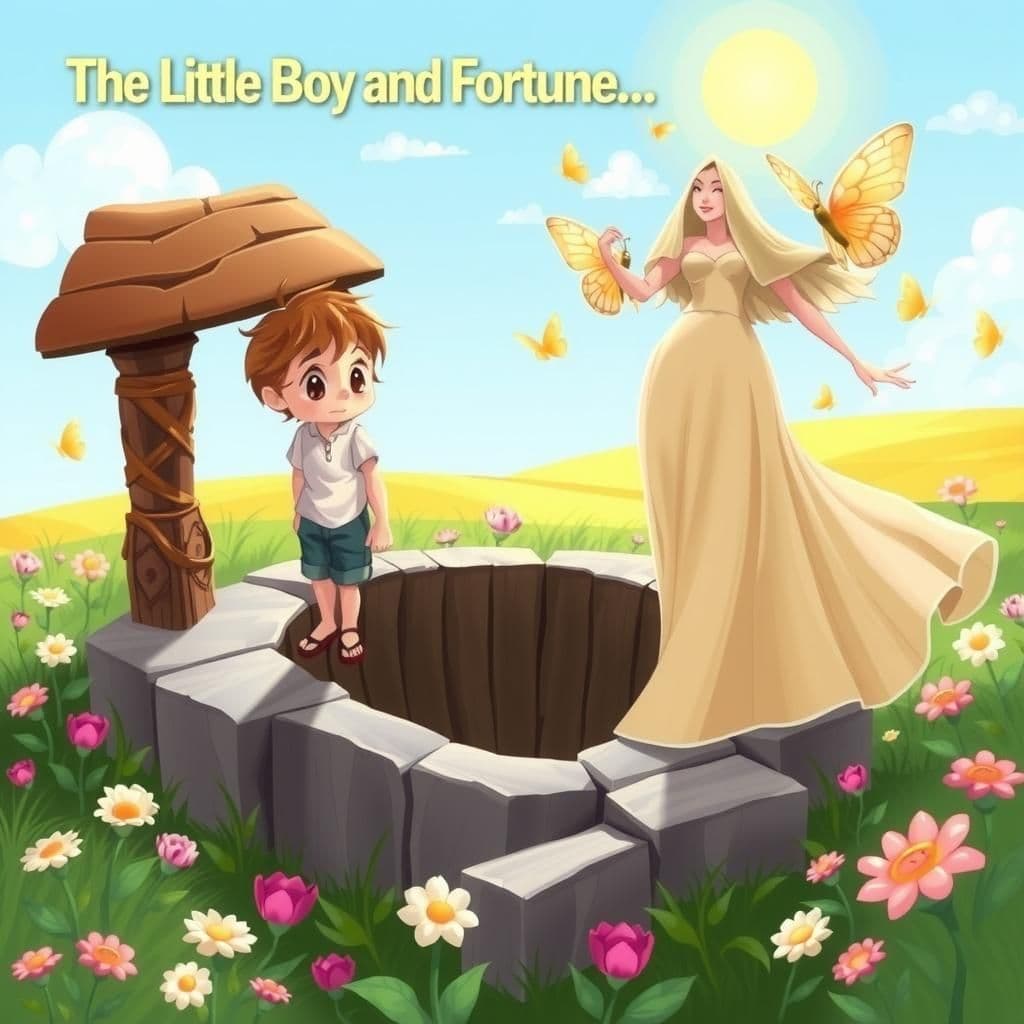
In this inspirational short story with a moral, a weary little boy on the brink of a deep well is awakened by Dame Fortune, who warns him about the tendency of people to blame her for their misfortunes caused by their own foolishness. She emphasizes that each individual is ultimately the master of their own fate, highlighting a key lesson found in popular moral stories: personal responsibility is essential for avoiding calamity.

The Two Dogs
In this concise moral story, a Hound complains to a Housedog about receiving a share of the spoils despite not hunting. The Housedog explains that it is the master's choice to teach him to rely on others, highlighting the lesson that children should not be held accountable for their parents' actions. This easy small story with moral serves as a reminder for class 7 students about fairness and responsibility.
Hercules and the Carter
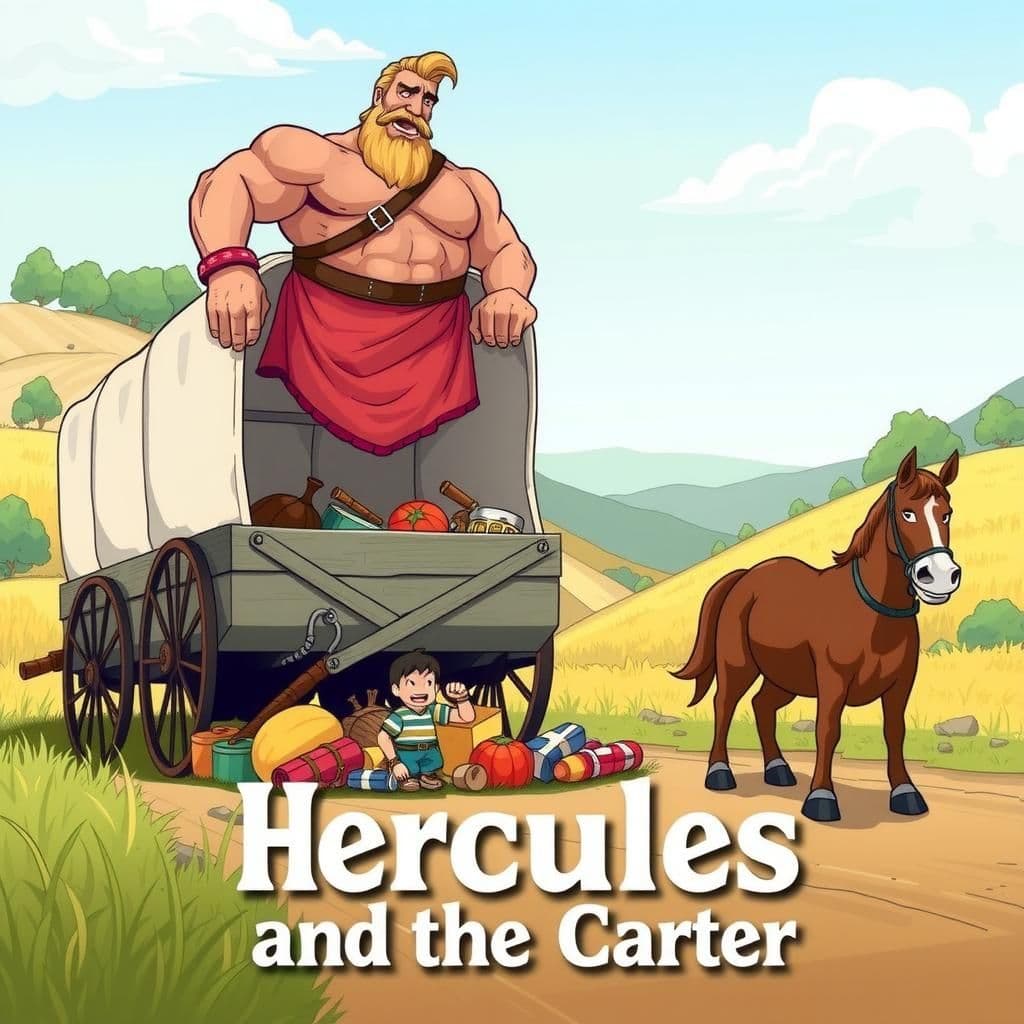
In this simple short story with a moral, a Carter finds his wagon stuck in a rut and, instead of taking action, prays to Hercules for help. Hercules scolds him for his laziness, prompting the Carter to unload valuable goods, which allows the horses to easily pull the wagon free. This short moral tale emphasizes the importance of self-reliance and taking initiative in the face of challenges, making it a noteworthy entry among top 10 moral stories in folklore.
Related Collections
Other names for this story
"Calm Seas, Troubled Waters", "Waves of Blame", "The Sea's True Nature", "Shipwrecked and Reproved", "Harsh Currents of Fate", "The Tempest Within", "Stormy Seas, Quiet Heart", "Echoes of the Shipwreck"
Did You Know?
This story illustrates the theme of misattribution of blame, as the shipwrecked man initially holds the sea accountable for his misfortune, while the sea itself reveals that external forces, like the winds, are responsible for the chaos. It serves as a metaphor for understanding that not all turmoil is a result of the immediate circumstances we perceive; often, there are unseen influences at play.
Subscribe to Daily Stories
Get a new moral story in your inbox every day.