Hercules and the Carter

Story Summary
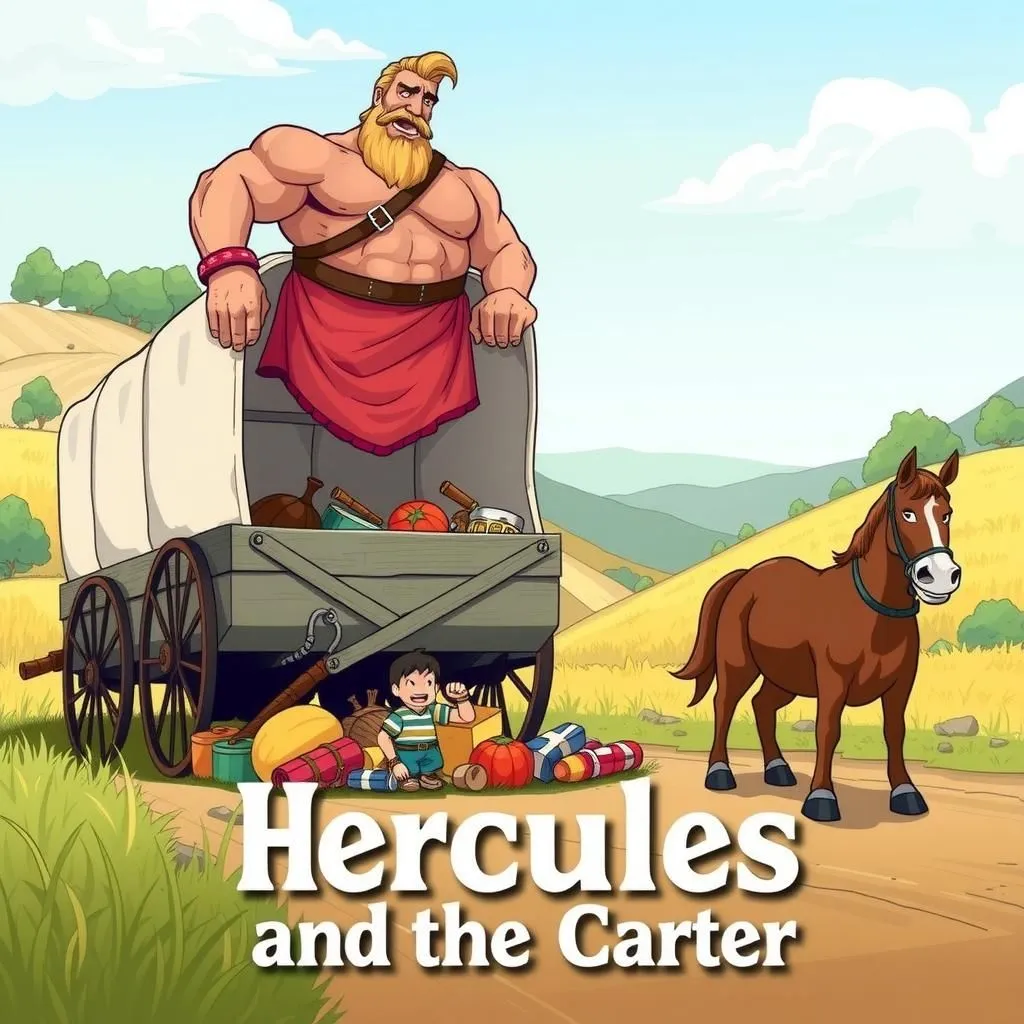
In this simple short story with a moral, a Carter finds his wagon stuck in a rut and, instead of taking action, prays to Hercules for help. Hercules scolds him for his laziness, prompting the Carter to unload valuable goods, which allows the horses to easily pull the wagon free. This short moral tale emphasizes the importance of self-reliance and taking initiative in the face of challenges, making it a noteworthy entry among top 10 moral stories in folklore.
Click to reveal the moral of the story
The moral of the story is that one must take initiative and put in effort to overcome difficulties rather than relying solely on external help.
Historical Context
This fable, attributed to Aesop, reflects the cultural values of ancient Greece, where self-reliance and hard work were emphasized alongside divine assistance. The story has been retold and adapted throughout history, illustrating the moral lesson that one must take initiative and not solely rely on external help to overcome challenges. Such themes are common in fables, where anthropomorphized characters convey ethical teachings relevant across cultures and eras.
Our Editors Opinion
This fable illustrates the importance of personal effort alongside seeking help, a lesson that resonates in modern life where reliance on external support without taking initiative often leads to stagnation. For example, a student might pray for good grades while neglecting to study; only by putting in the effort to learn can they truly achieve their goals, just as the Carter learned to help himself to overcome his predicament.
You May Also Like

The Two Travelers and the Axe
In this short story with a moral, two men traveling together find an axe, and one claims it as his own. When the rightful owner pursues them, the other traveler reminds him to take responsibility for his earlier claim, illustrating that those who share in the gain must also share in the consequences. This short and sweet moral story emphasizes the importance of accountability in both fortune and misfortune.

The Shipwrecked Man and the Sea
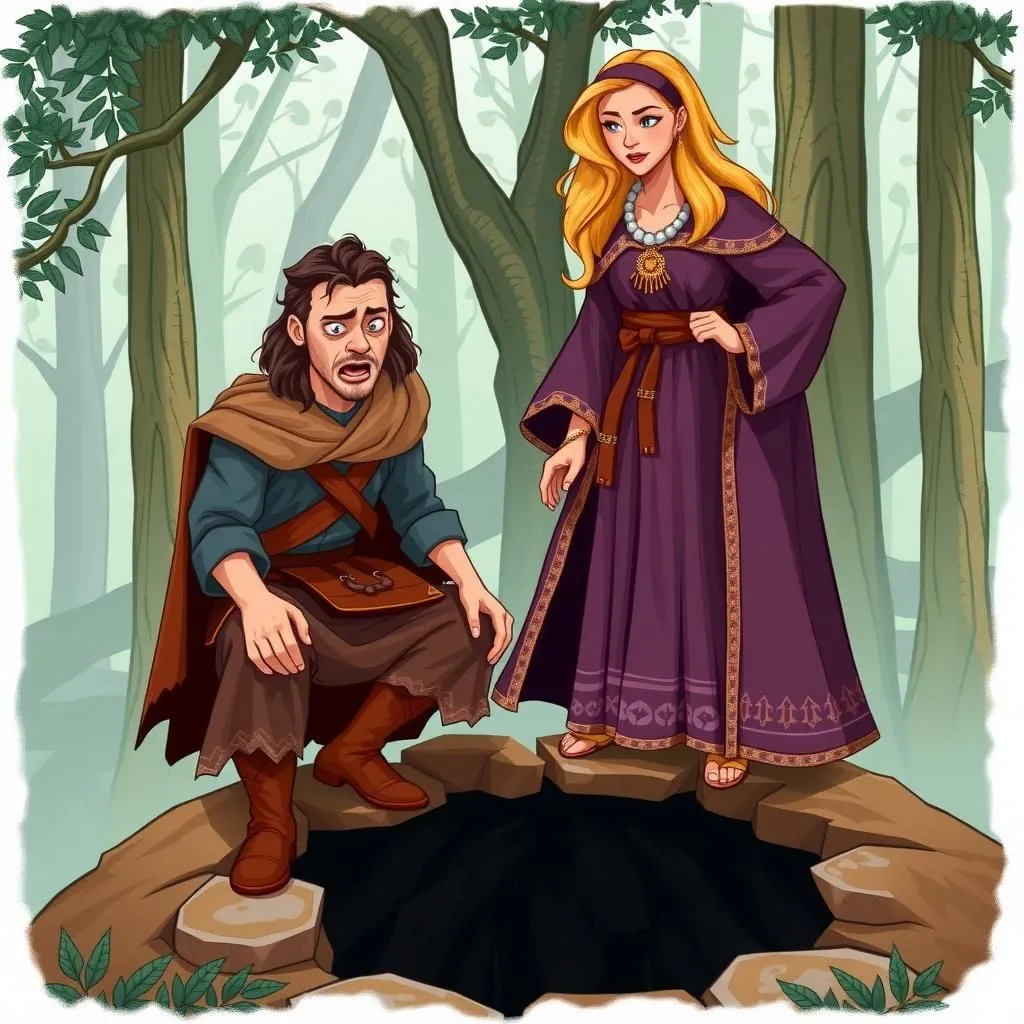
In "The Shipwrecked Man and the Sea," a shipwrecked man awakens on the shore and blames the Sea for its deceptive calmness that leads sailors to disaster, making it a compelling example of well-known moral stories. The Sea, taking the form of a woman, defends itself by explaining that it is the winds that disturb its natural tranquility and create perilous waves. This short story serves as a quick read with moral lessons suitable for class 7, illustrating the importance of understanding the true causes behind appearances.

The Little Boy and Fortune
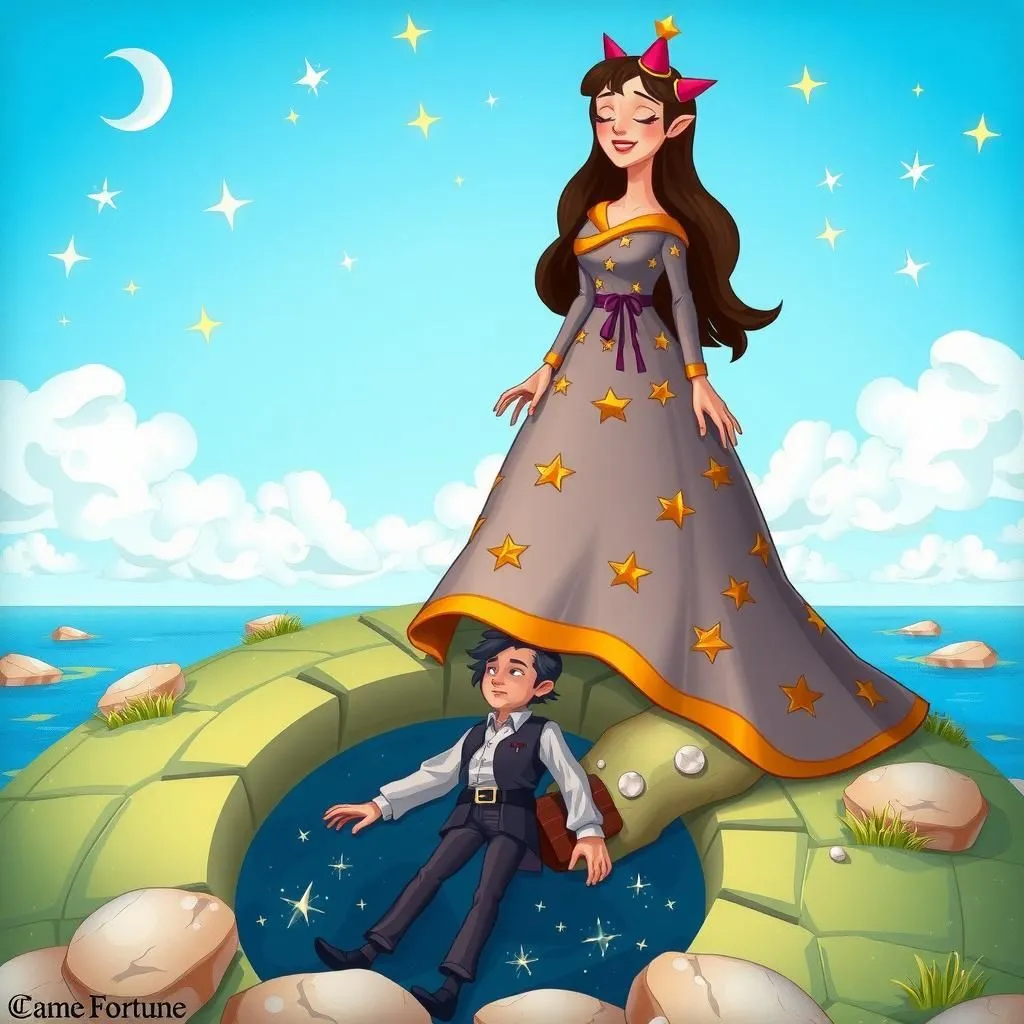
In this inspirational short story with a moral, a weary little boy on the brink of a deep well is awakened by Dame Fortune, who warns him about the tendency of people to blame her for their misfortunes caused by their own foolishness. She emphasizes that each individual is ultimately the master of their own fate, highlighting a key lesson found in popular moral stories: personal responsibility is essential for avoiding calamity.
Other names for this story
Hercules and the Lazy Carter, The Indolent Carter's Lesson, Hercules: A Tale of Self-Reliance, The Carter's Dilemma, Hercules and the Stuck Wagon, The Power of Self-Help, Hercules: The Call to Action, A Carter's Fate with Hercules
Did You Know?
This fable highlights the theme of self-reliance and the importance of taking initiative; it illustrates that while seeking help can be valuable, personal effort is often essential for overcoming obstacles. Hercules' response emphasizes the idea that one must first take action before expecting assistance from others.
Subscribe to Daily Stories
Get a new moral story in your inbox every day.