Loading...
The Cage Bird and the Bat
moral story
2 min read
0 comments
0:000:00
Story Summary
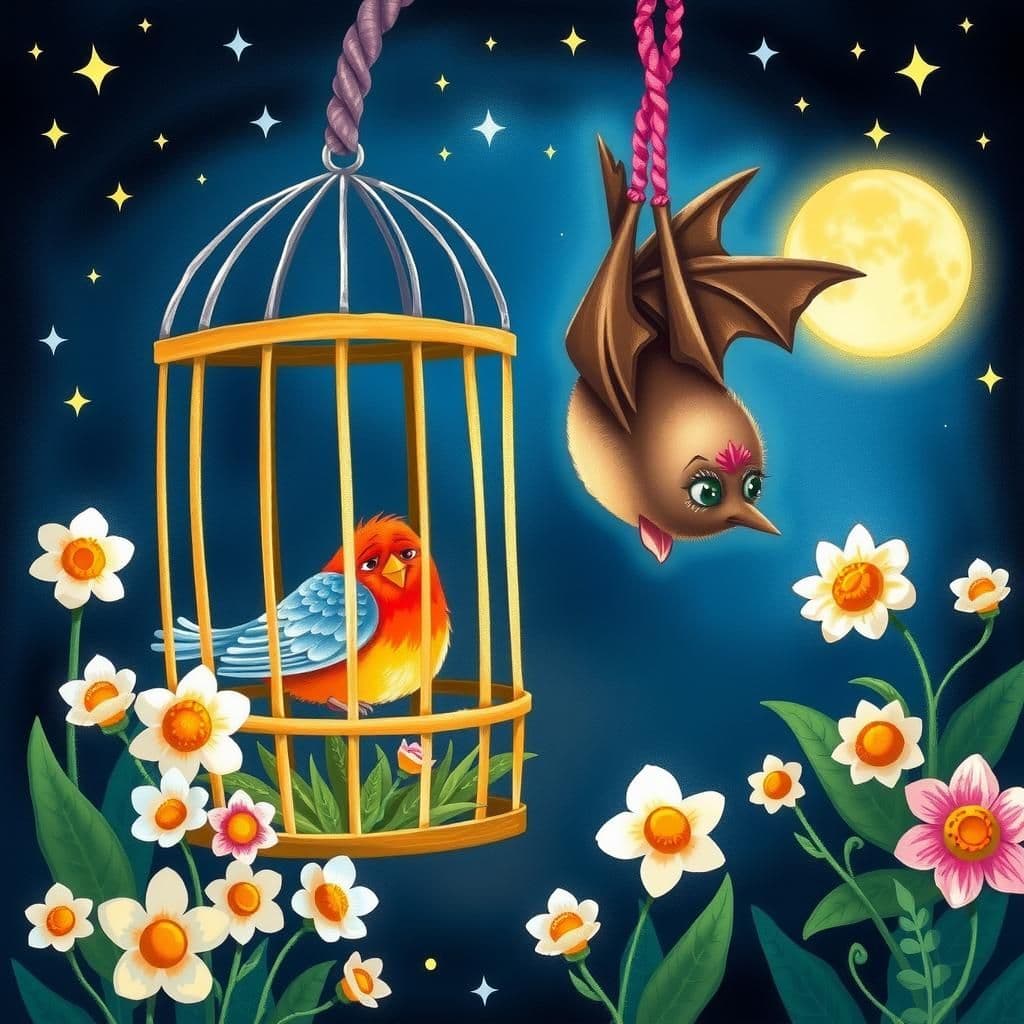
In this timeless moral story, a caged bird sings only at night, having learned the hard way that singing during the day led to her capture by a fowler. When a bat questions her precautions, it highlights the futility of taking such measures after already being imprisoned. This short story serves as a powerful reminder that precautions are meaningless once one is already in danger, making it a valuable addition to any collection of famous moral stories for kids.
Click to reveal the moral of the story
Taking precautions only matters before a crisis occurs; once caught, it is too late to change past actions.
Historical Context
This story draws from Aesop's Fables, a collection of moral tales attributed to the ancient Greek storyteller Aesop, who lived around the 6th century BCE. The narrative explores themes of caution and the futility of regret, illustrating how one’s choices can have lasting consequences. Similar moral lessons can be found in various cultural adaptations, emphasizing the universal relevance of the fable's message about the importance of foresight and action before a crisis occurs.
Our Editors Opinion
This story highlights the importance of taking proactive measures to prevent negative outcomes before it's too late. In modern life, this could be reflected in a scenario where an individual neglects to save money or invest in their education, only to find themselves in a difficult financial situation later on—realizing that the time to act was long before the crisis arose.
You May Also Like
The Dove and the Crow
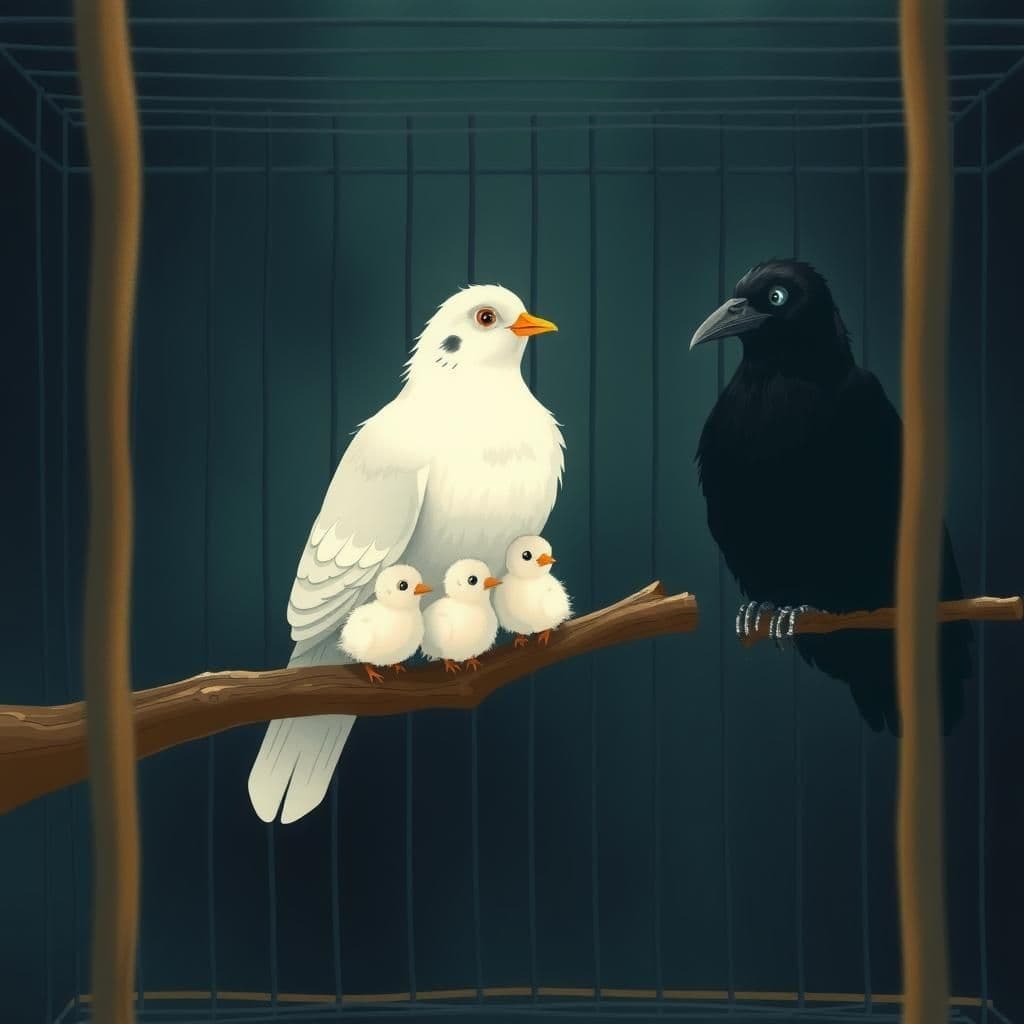
In "The Dove and the Crow," a captive dove boasts about her numerous hatchlings, only to be reminded by a crow that such pride in her family's size only deepens her sorrow due to their confinement. This poignant tale serves as a unique moral story, emphasizing that abundance can lead to greater distress, making it a short and sweet moral story with a culturally significant message.
boasting
freedom
Dove
Crow

The Labourer and the Nightingale
In the fable "The Labourer and the Nightingale," a Labourer captures a Nightingale to enjoy its beautiful song, only to find that the bird refuses to sing in captivity. After releasing the Nightingale, it imparts three valuable lessons: never trust a captive's promise, appreciate what you have, and do not grieve over what is lost forever. This well-known moral story emphasizes the importance of freedom and gratitude, making it a fitting tale for moral stories for class 7.
Freedom
Wisdom
Labourer
Nightingale
The Thrush and the Fowler
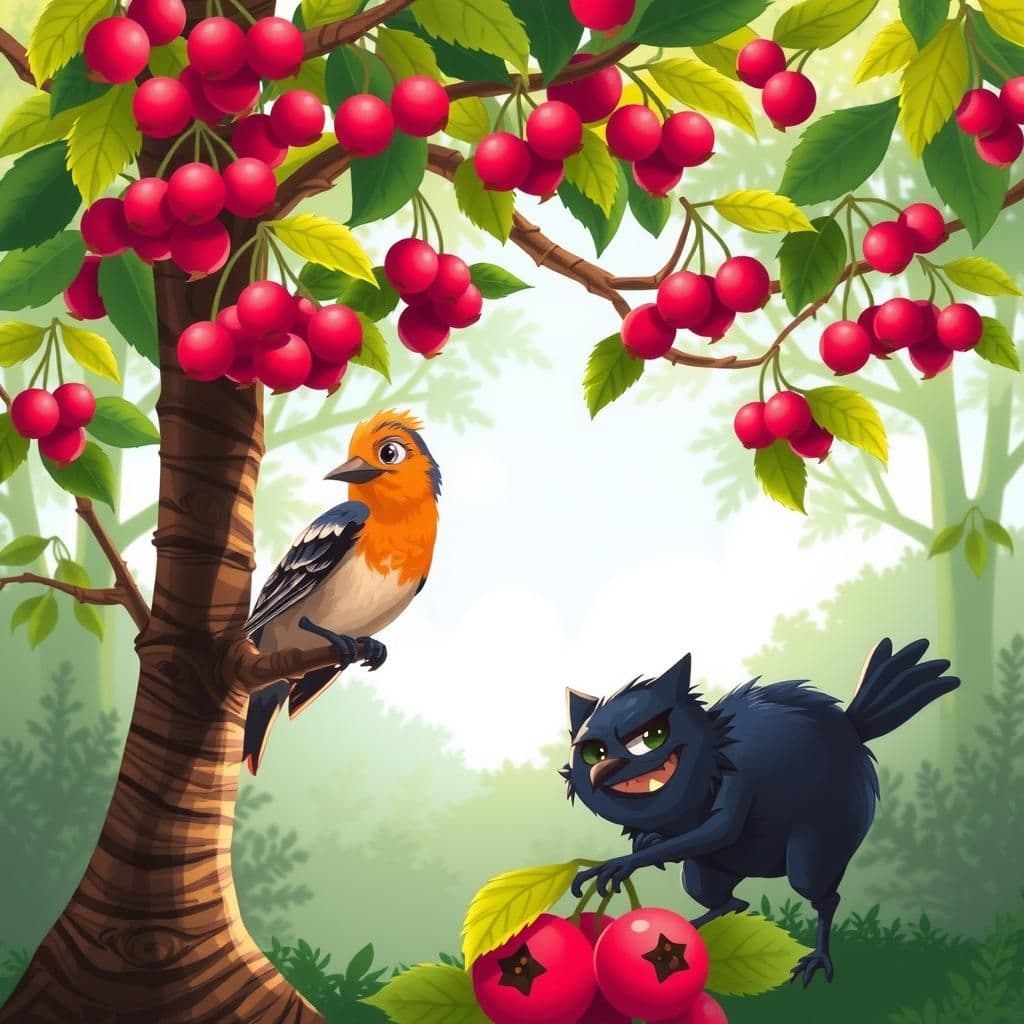
In this short moral tale, a Thrush becomes so captivated by the delicious berries of a myrtle-tree that she fails to notice a Fowler setting a trap. Ultimately caught, she reflects on her foolishness, realizing that her pursuit of temporary pleasure has cost her life. This poignant story serves as a reminder of the dangers of indulgence, making it one of the best moral stories for children.
gluttony
regret
Thrush
Fowler
Other names for this story
Caged Melody, Nightingale's Lament, Bat's Wisdom, Night Song Escape, Songs of the Captive, Lessons from the Cage, Twilight Serenade, Silent Days,
Did You Know?
This story highlights the theme of regret and the importance of taking preventive actions before a crisis occurs, illustrating how hindsight often reveals the futility of measures taken too late. The Bird's choice to sing only at night serves as a poignant reminder that once one is trapped by circumstances, it may be too late to change past decisions.
Subscribe to Daily Stories
Get a new moral story in your inbox every day.