Story Summary
Discover the spiritual journey of Mahavira's Renunciation. Learn how Prince Vardhamana gave up his kingdom and wealth to seek the ultimate path of non-violence.
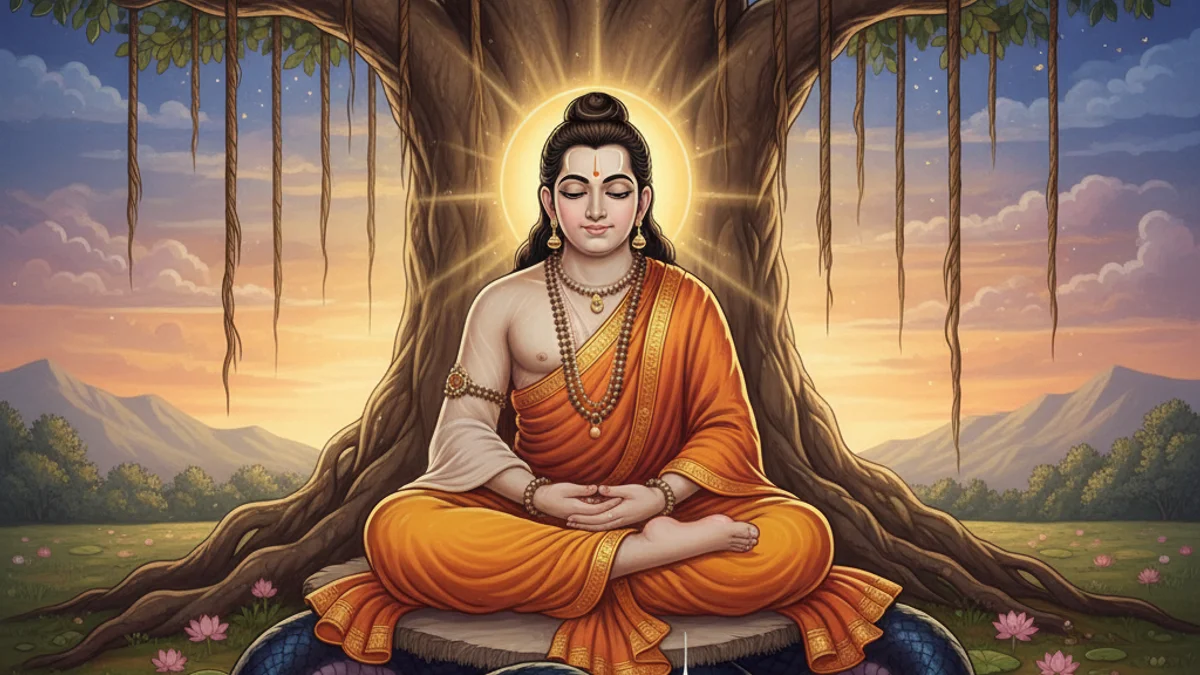
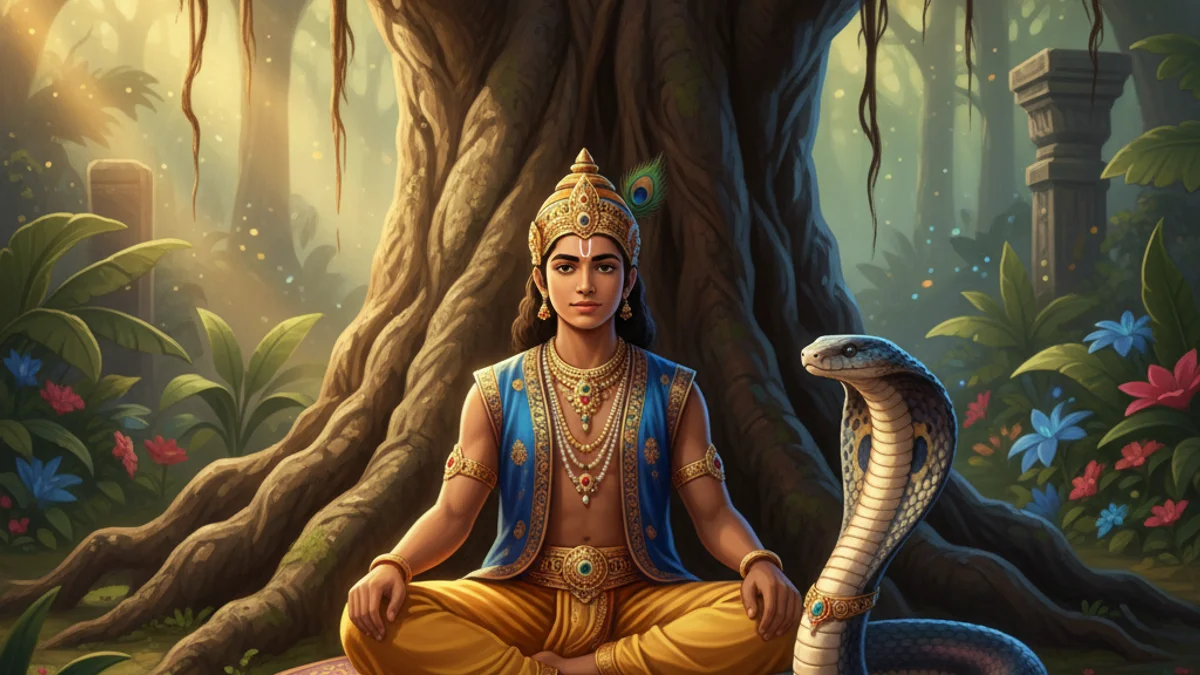
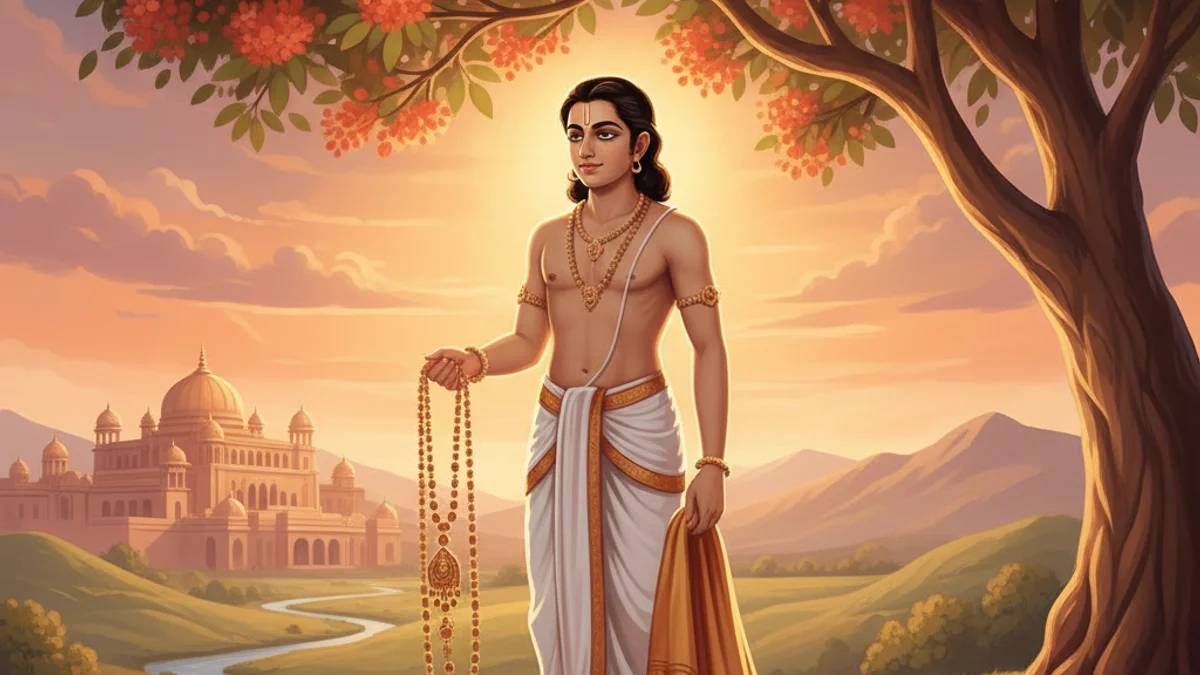
Prince Vardhamana, born into the royal family of Kshatriyakunda, lived a life of immense luxury and power. Despite being a beloved prince, his heart remained detached from worldly pleasures. He felt a profound calling to find the path to eternal liberation and end the cycle of birth and death. However, out of deep respect for his parents, he waited until their passing to pursue his spiritual quest. After their death, he sought permission from his elder brother, King Nandivardhana. For one full year, the prince gave away all his wealth and possessions to the poor, symbolizing his complete detachment. Finally, at the age of thirty, on the tenth day of the dark half of the month of Kartika, Vardhamana left the palace. Under a sacred Ashoka tree, he discarded his royal garments, plucked out his hair in five handfuls, and took a vow of silence and non-possession. He stepped into the forest as a wandering ascetic, setting the foundation for his journey to becoming Mahavira, the twenty-fourth Tirthankara.
The Moral
True liberation and inner peace can only be achieved by letting go of worldly attachments and conquering the ego.
“Renounce the temporary to realize the eternal.”
Fun Fact
The event of Mahavira's renunciation is known as 'Diksha Kalyanak' and is one of the five most auspicious events celebrated by Jains worldwide.
Frequently Asked Questions
What is the moral of Mahavira's Renunciation?
The moral is that spiritual fulfillment and ultimate truth are found through the renunciation of material attachments and worldly desires. It teaches that the greatest conquest is the conquest of one's own self.
At what age did Mahavira renounce his royal life?
Mahavira renounced his royal life and became an ascetic at the age of thirty. He spent the next twelve years in intense meditation and penance before achieving enlightenment.
Why did Mahavira wait to become a monk?
Mahavira possessed 'Manah-paryaya jnana' (knowledge of others' thoughts) and knew his parents would be heartbroken if he left. He waited until after their passing out of compassion and filial duty.
What did Mahavira do with his royal wealth?
Before his renunciation, Mahavira performed 'Varshidan,' which involved giving away all his gold, jewels, and possessions to the needy for an entire year.
What does the plucking of hair symbolize in the story?
The act of plucking hair (Locha) symbolizes a total disregard for physical appearance and bodily comfort. It represents the monk's commitment to enduring pain and shedding social status.
Who gave Mahavira permission to seek renunciation?
After the death of his parents, Mahavira sought and received permission from his elder brother, King Nandivardhana, who was initially reluctant but eventually understood his brother's higher calling.
Discussion (0)
Share your thoughts on this story
No comments yet. Be the first to share your thoughts!