Story Summary
Discover the epic of Koroglu the Rebel, a Turkic legend who fought tyranny and injustice to avenge his father and protect the oppressed with his horse, Kyrat.
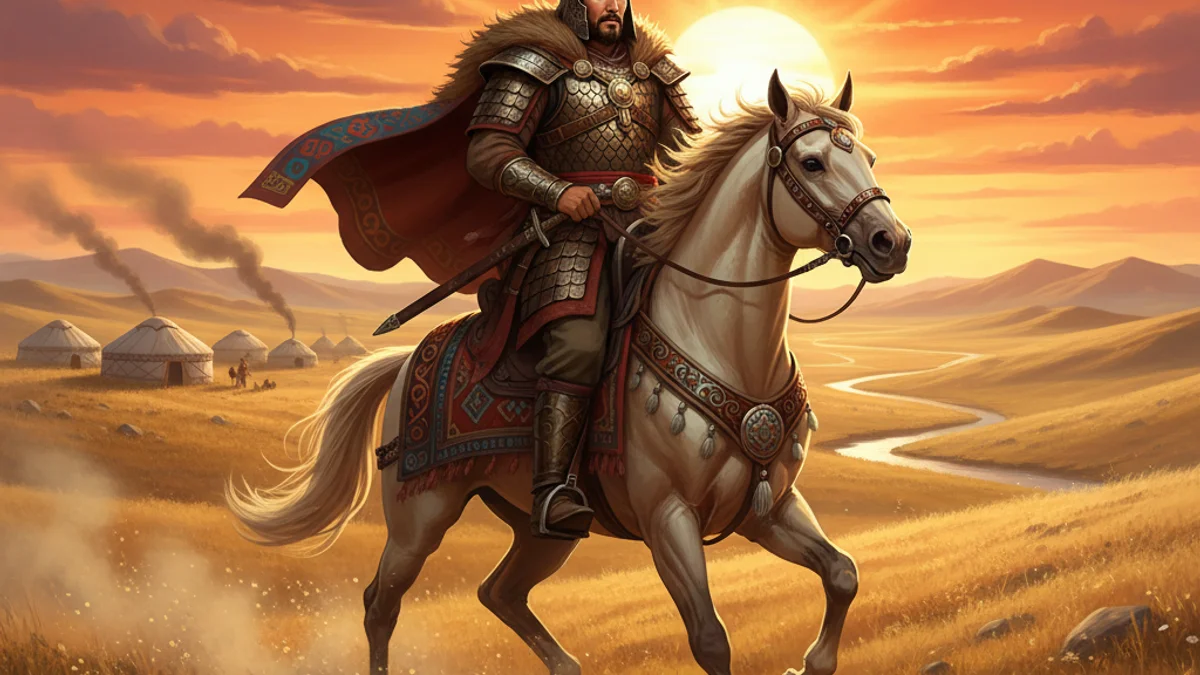
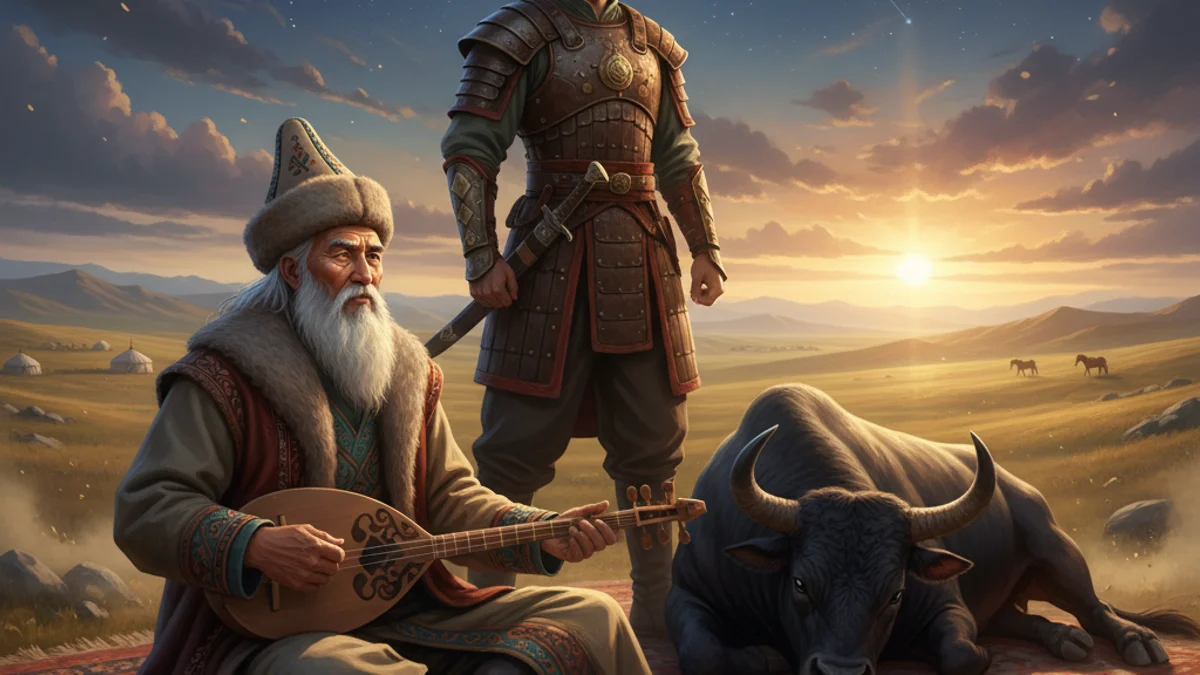
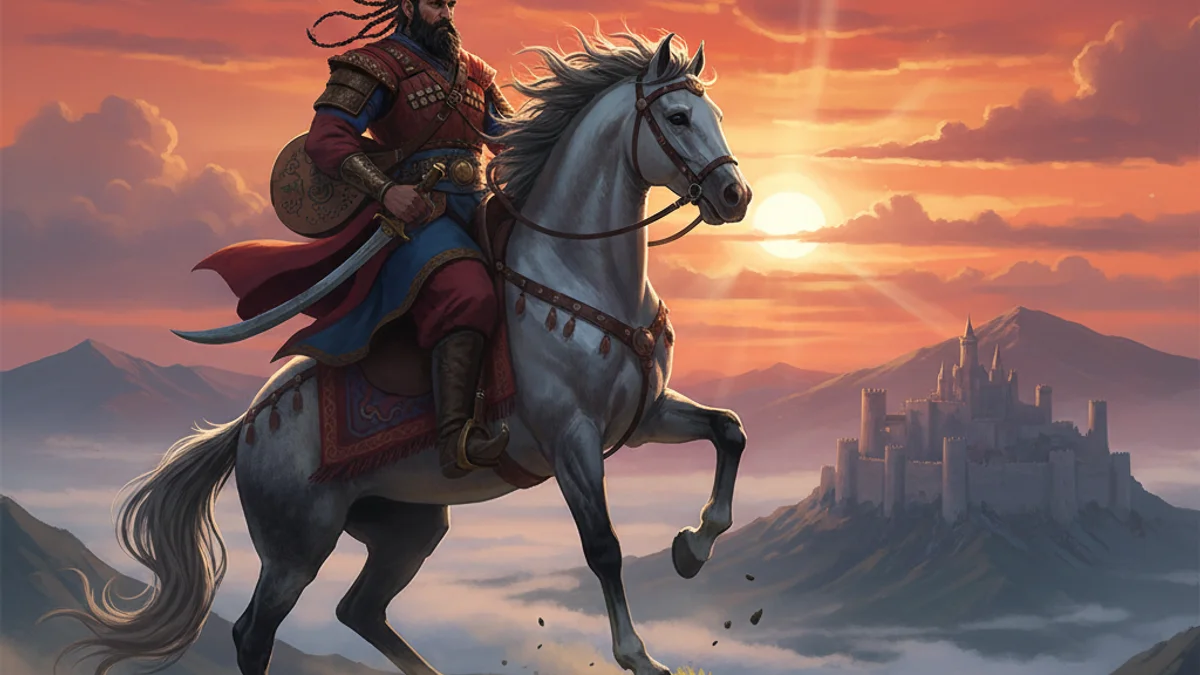
Yusuf, a master stableman for the cruel Bolu Bey, discovered two unremarkable colts born from a mystical sea-stallion. Seeing their hidden potential, he presented them to his master, but Bolu Bey felt insulted by their scrawny appearance and ordered Yusuf to be blinded in rage. Yusuf’s son, Ali, vowed to avenge his father's suffering. He raised the colts in total darkness as his father instructed, and one grew into the legendary, peerless horse known as Kyrat. Ali took the name Koroglu—meaning 'Son of the Blind Man'—and established a rebel fortress at Chamlibel. From his mountain stronghold, he led a band of brave warriors, robbing the wealthy and cruel to provide for the oppressed poor. With his magical horse and his ashik’s lute, Koroglu became an immortal symbol of defiance, proving that the vision of a righteous man is more powerful than a tyrant's sight.
The Moral
True strength and nobility are found in the courage to fight for justice and the resilience to turn personal tragedy into a shield for the oppressed.
“Let the mountains echo my name, for the son of the blind man sees justice more clearly than any king.”
Fun Fact
The epic of Koroglu is so significant that it was inscribed on the UNESCO Representative List of the Intangible Cultural Heritage of Humanity in 2015.
Frequently Asked Questions
Who is Koroglu in Turkic mythology?
Koroglu is a legendary hero, poet, and singer who fought against unjust rulers. He is a central figure in the oral traditions of Turkey, Azerbaijan, Turkmenistan, and other Central Asian cultures.
Why is he called Koroglu?
The name Koroglu translates to 'Son of the Blind Man.' It refers to his father, Yusuf, who was blinded by the cruel Bolu Bey for selecting horses that appeared weak but were actually magical.
What is special about Koroglu's horse, Kyrat?
Kyrat was a magical grey stallion sired by a sea-horse. He possessed incredible speed, was loyal only to Koroglu, and was said to be able to jump over mountains and fly like the wind.
Is Koroglu based on a real person?
While the stories are mythological, historians believe Koroglu may be based on a real rebel leader from the 16th-century Jalali revolts against the Ottoman Empire.
What is the significance of the lute in the story?
Koroglu was an 'ashik,' a wandering bard. He used his lute (saz) to compose poems and songs that inspired his warriors and spread the message of freedom across the lands.
What was Chamlibel in the legend?
Chamlibel was the legendary mountain fortress where Koroglu and his band of 'delis' (brave warriors) lived. It served as a sanctuary for the poor and a base for their raids against tyrants.