Story Summary
Discover the epic legend of The Invasion of Japan, where Kublai Khan’s Mongol fleet faced samurai warriors and the legendary Kamikaze divine winds in 1281.
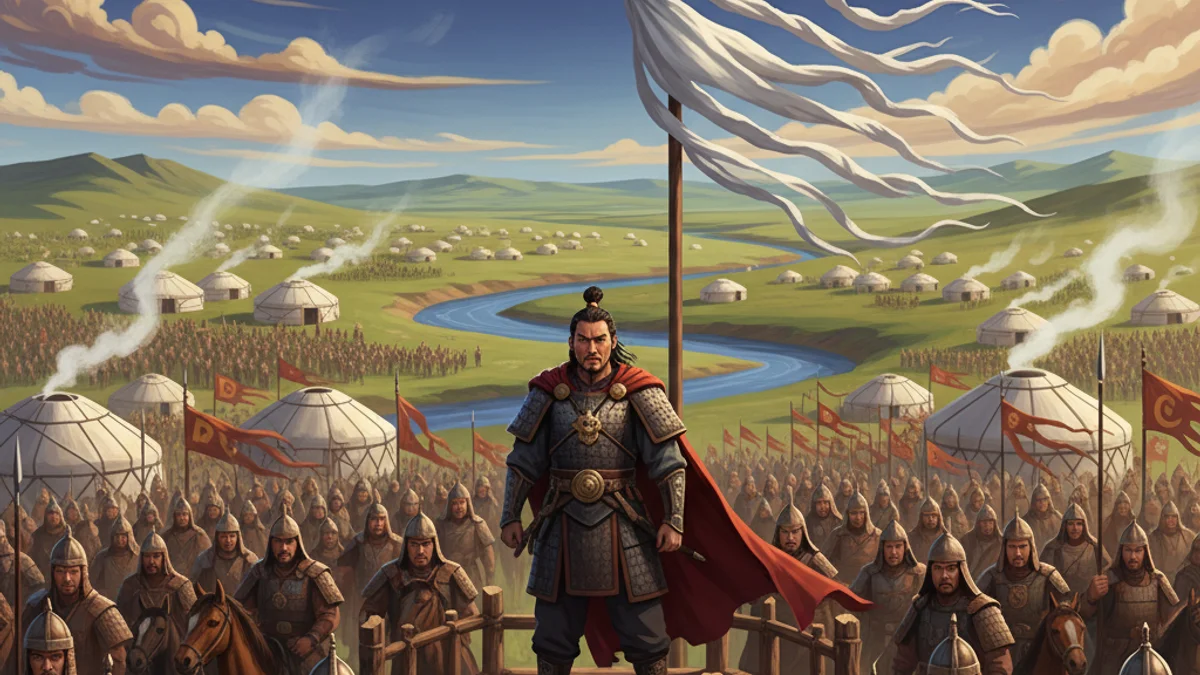
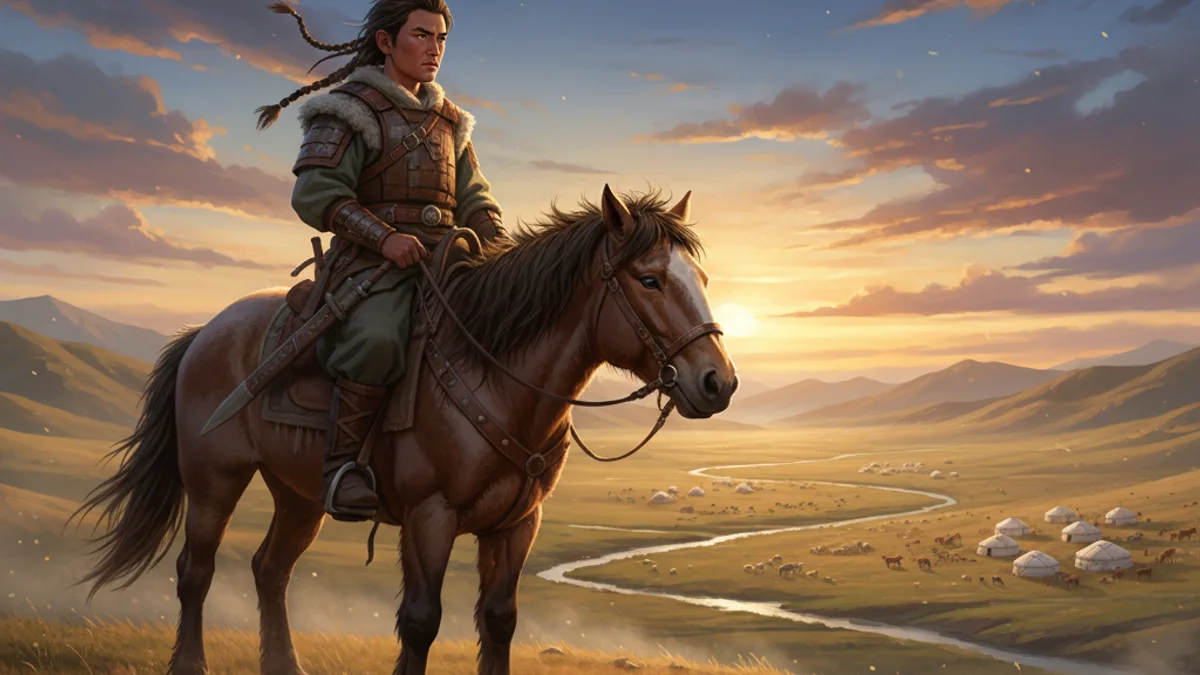
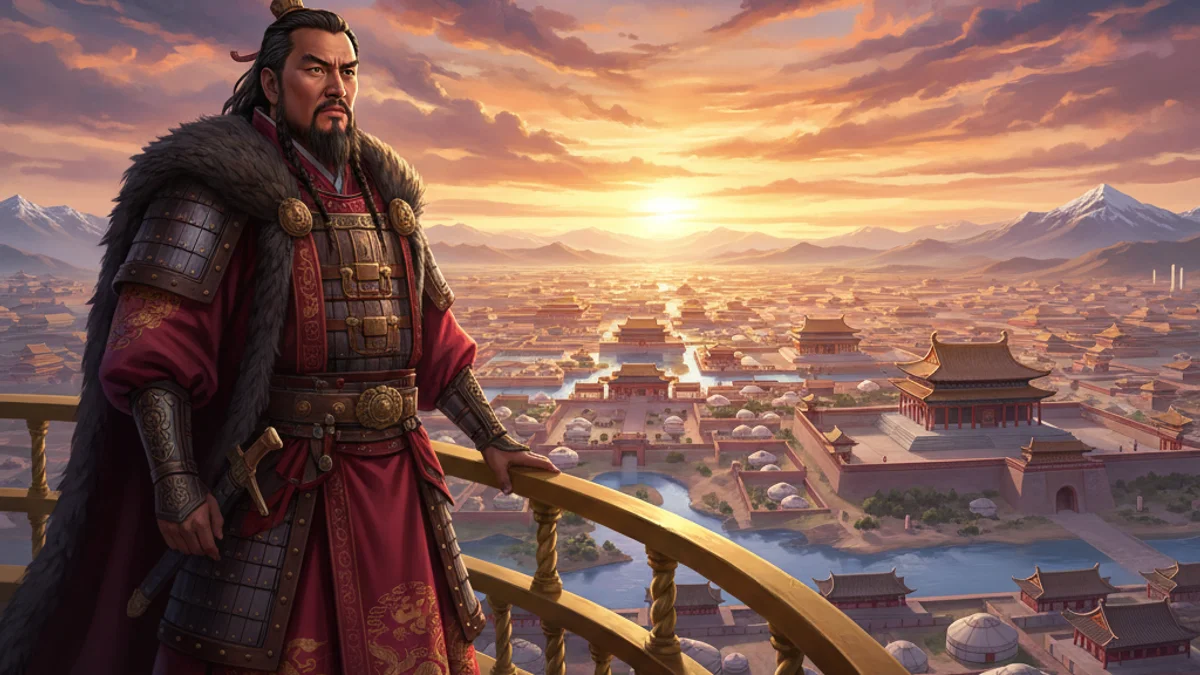
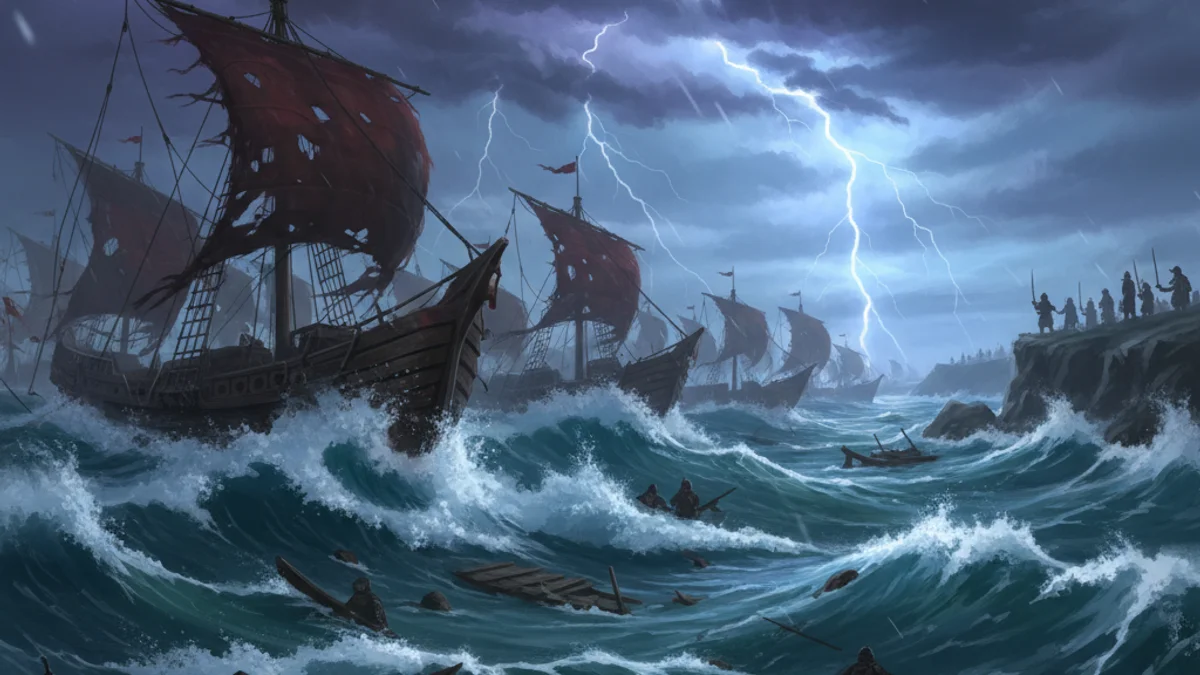
Kublai Khan, the Great Khan of the Mongol Empire and grandson of Genghis, turned his gaze toward the island nation of Japan. After his diplomatic emissaries were repeatedly rebuffed, he launched a massive fleet in 1274. At Hakata Bay, the Mongols' superior technology, including gunpowder bombs and coordinated archery, initially overwhelmed the individualistic samurai. However, a sudden storm forced the Mongols to retreat to their ships, many of which were wrecked against the coast. Undeterred by nature's warning, Kublai returned in 1281 with an even larger force—the greatest naval invasion in history until modern times. For seven weeks, the samurai held the defensive stone walls under the leadership of Hojo Tokimune. Just as the Mongol fleet prepared for a final, crushing assault, a second, even more powerful typhoon struck. This 'Kamikaze' or Divine Wind shattered the Mongol armada, scattering their dreams of conquest across the sea and leaving Japan unconquered, forever changing the course of Asian history.
The Moral
True power must respect the forces of nature, and destiny often favors those who defend their home against overwhelming odds.
“The heavens themselves rose to defend the islands, exhaling a divine wind that no conqueror could withstand.”
Fun Fact
The Mongol invasions introduced the concept of hand-thrown gunpowder bombs to Japan, which were previously unknown to the samurai. Artifacts of these 'tetsuhau' bombs have been recovered from shipwrecks in Hakata Bay.
Frequently Asked Questions
What is the moral of The Invasion of Japan?
The story teaches that even the most powerful empires cannot conquer the elements of nature. It also highlights how unity and defensive resolve can overcome a much larger invading force.
Who led the Mongol invasion of Japan?
The invasions were ordered by Kublai Khan, the ruler of the Yuan Dynasty and the Mongol Empire. He sought to bring Japan into his tributary system after conquering China.
What was the 'Kamikaze' in this historical context?
In this context, 'Kamikaze' means 'Divine Wind.' It refers to the two major typhoons that decimated the Mongol fleets in 1274 and 1281, which the Japanese believed were sent by the gods to protect them.
Did the Mongols ever successfully set foot on Japanese soil?
Yes, during both invasions, Mongol forces landed on several islands and at Hakata Bay. However, they were unable to push deep into the mainland due to samurai resistance and the eventual storms.
How did the samurai fight back against the Mongols?
The samurai built a massive stone wall along Hakata Bay to prevent landings and used small, agile boats to board and burn the larger, slower Mongol ships at night.
Why did Kublai Khan fail to conquer Japan?
His failure was caused by a combination of fierce Japanese resistance, the difficulty of maintaining a massive sea-borne supply chain, and the catastrophic timing of two major typhoons.
Discussion (0)
Share your thoughts on this story
No comments yet. Be the first to share your thoughts!