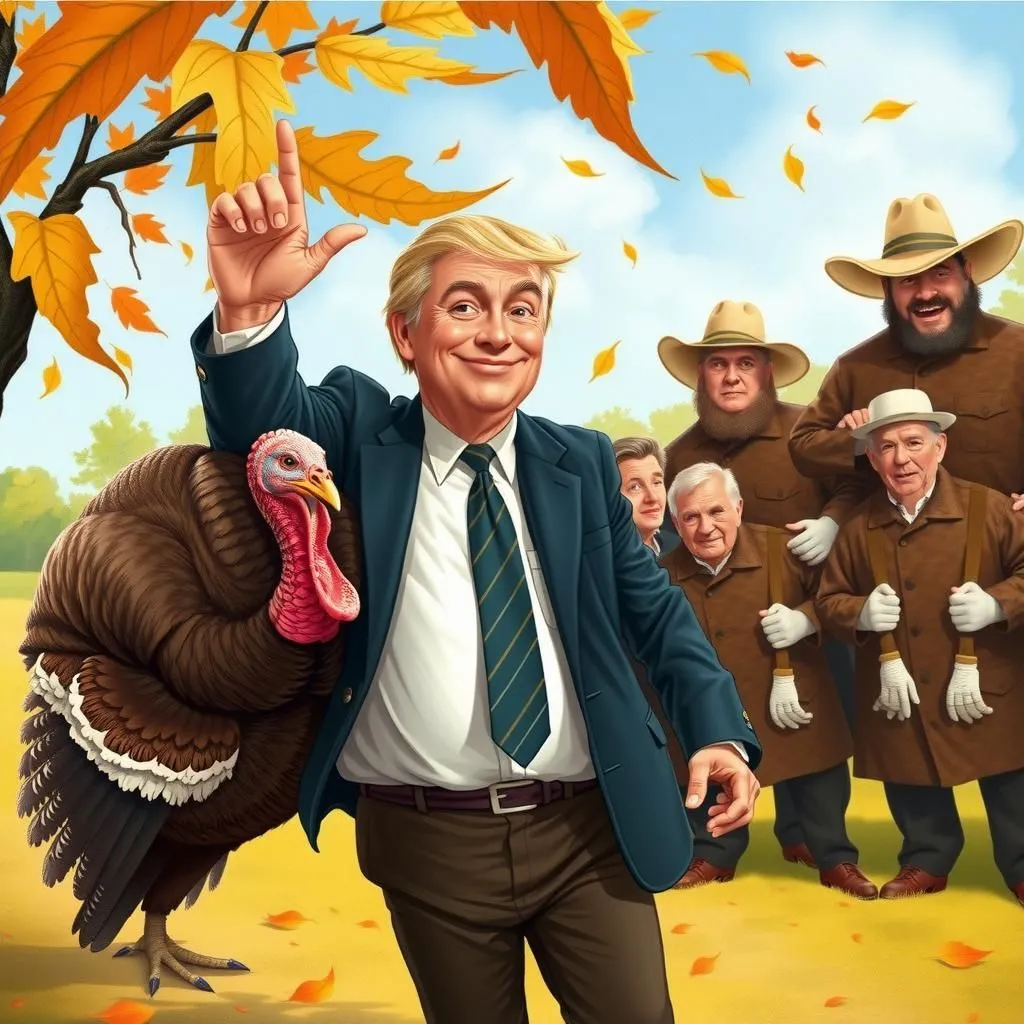
In "The Seeker and the Sought," a clever politician uses bait to catch a turkey for dinner, humorously claiming that the bird sought him instead. This fable highlights his manipulative tactics and serves as a meaningful story with moral implications, showcasing the irony in his presentation while embodying the essence of popular moral stories.
The moral of the story is that deception can lead to unintended consequences, as those who seek to exploit others may find themselves ensnared instead.
This story draws on the tradition of fables, particularly those popularized by Aesop in ancient Greece, which often feature animals and convey moral lessons about human behavior and societal norms. The tale reflects a satirical commentary on political manipulation and the art of persuasion, echoing other literary works that critique the nature of politicians and their tactics, such as those found in the writings of Jonathan Swift or George Orwell. By anthropomorphizing the turkey and presenting the politician's cunning strategy, the story underscores themes of deception and the often exploitative relationship between leaders and their constituents.
This fable illustrates the dangers of being lured by superficial benefits without recognizing the hidden traps that come with them, a lesson that resonates in modern life where individuals often pursue instant gratification or seemingly advantageous opportunities without fully understanding the consequences. For instance, a recent scenario could involve a young professional accepting a seemingly perfect job offer with a high salary but later discovering that the role comes with excessive demands and a toxic work environment, ultimately leading to burnout and dissatisfaction.

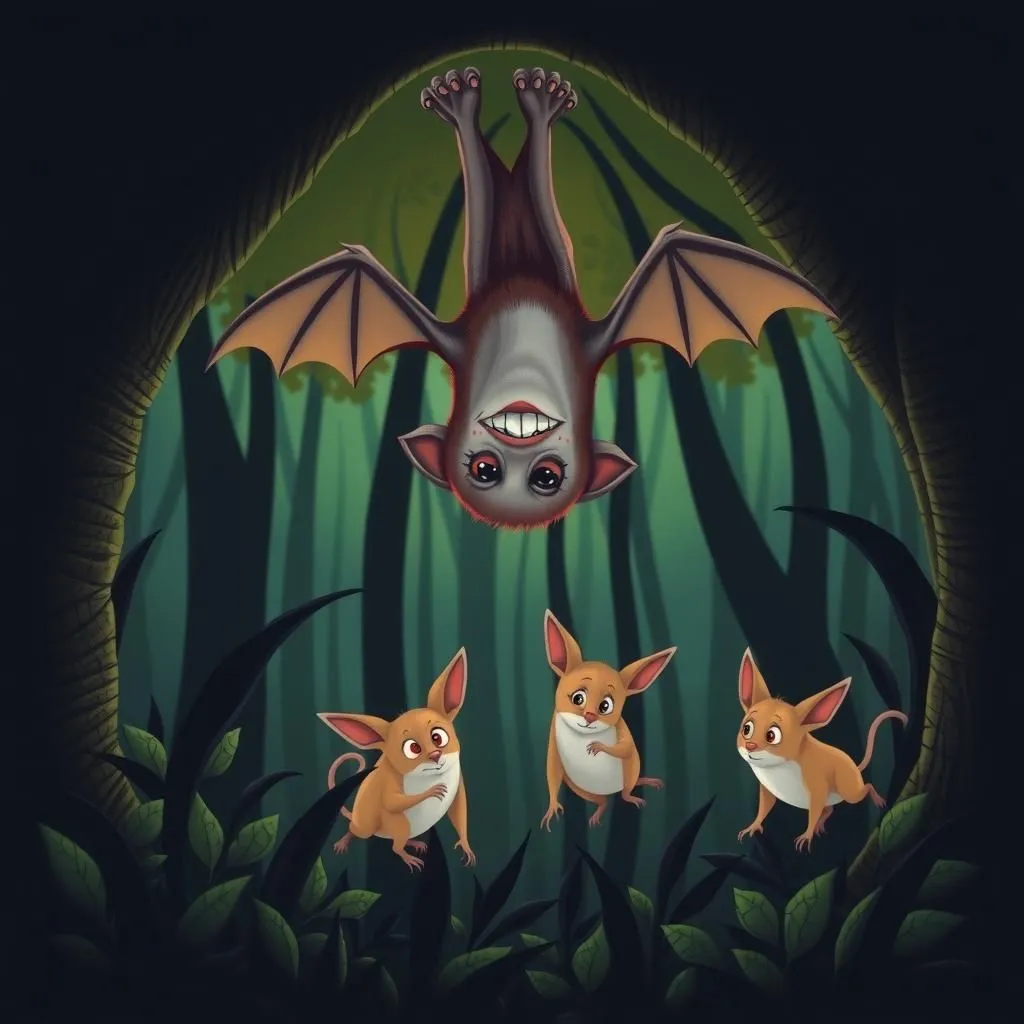
In "The Tyrant Frog," a clever fable with a moral, a snake being swallowed by a frog pleads for help from a passing naturalist, who misinterprets the situation as a simple dining scenario. The naturalist, more focused on acquiring a snakeskin for his collection, highlights the importance of understanding context before jumping to conclusions. This easy small story serves as a valuable lesson in awareness and perspective, making it a fitting addition to short story collections with moral themes for personal growth.

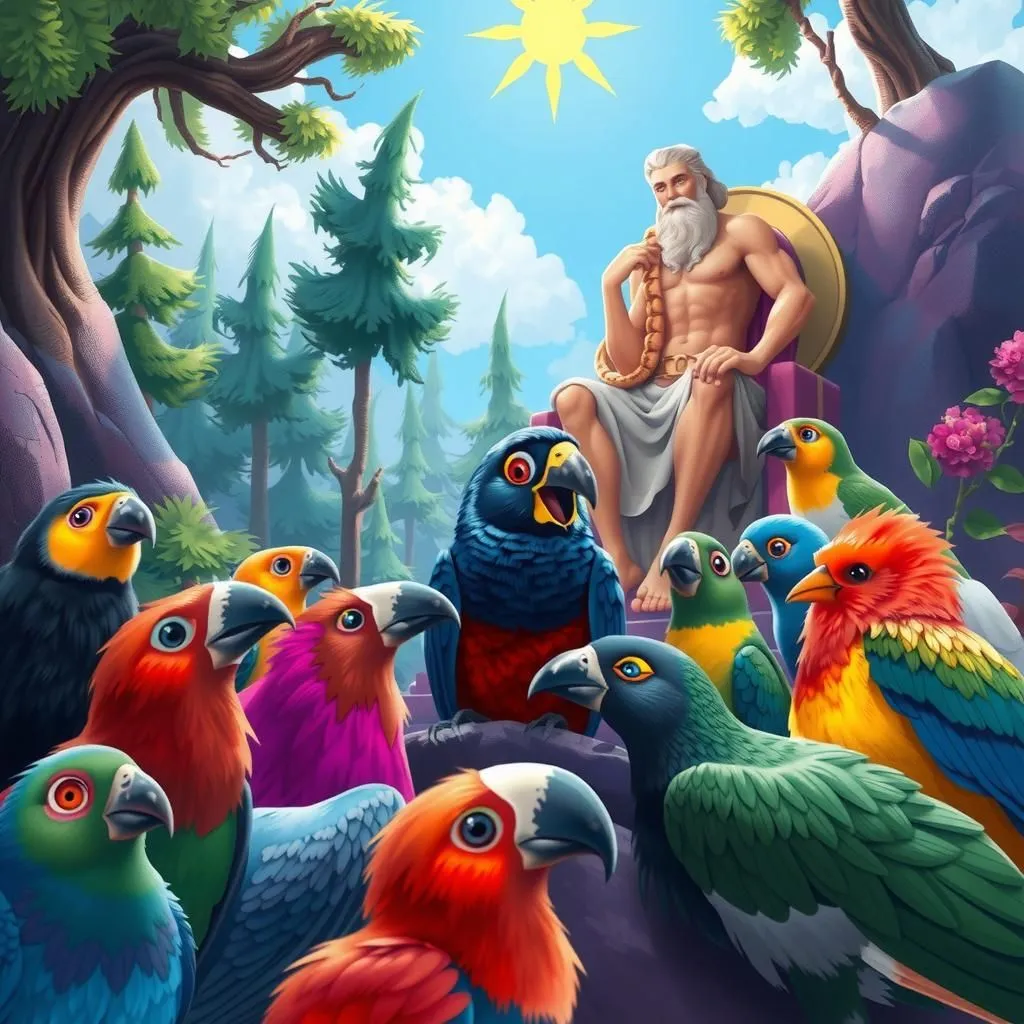
In this famous moral story, a Jackdaw paints himself white to fit in with a group of Doves and enjoy their abundant food. However, when he inadvertently reveals his true identity by chattering, the Doves reject him, and he finds himself unwelcome among his own kind as well. This quick moral story illustrates that by trying to belong to two groups, he ultimately achieved neither, emphasizing the importance of authenticity and acceptance.

In the fable "The Eagle and the Kite," a sorrowful Eagle, in search of a suitable mate, is deceived by the Kite's boastful claims of strength and ability to catch prey. After their marriage, the Kite fails to deliver on his promise, bringing only a worthless mouse instead of the promised ostrich, revealing the moral of the story: deceit can lead to disappointment. This tale illustrates the essence of moral-based storytelling found in well-known moral stories and animal stories with moral lessons.
The Politician's Turkey Trap, Baited Ambitions, Dinner Deception, The Turkey Scheme, Hooked by Desire, The Pursuit of Dinner, A Politician's Feast, The Unwanted Pursuit
This story satirizes the manipulative tactics often employed by politicians, illustrating how they can exploit natural desires and vulnerabilities to achieve their own ends, ultimately revealing the deceptive nature of such interactions in politics.
Get a new moral story in your inbox every day.