The Lost Wig

Story Summary
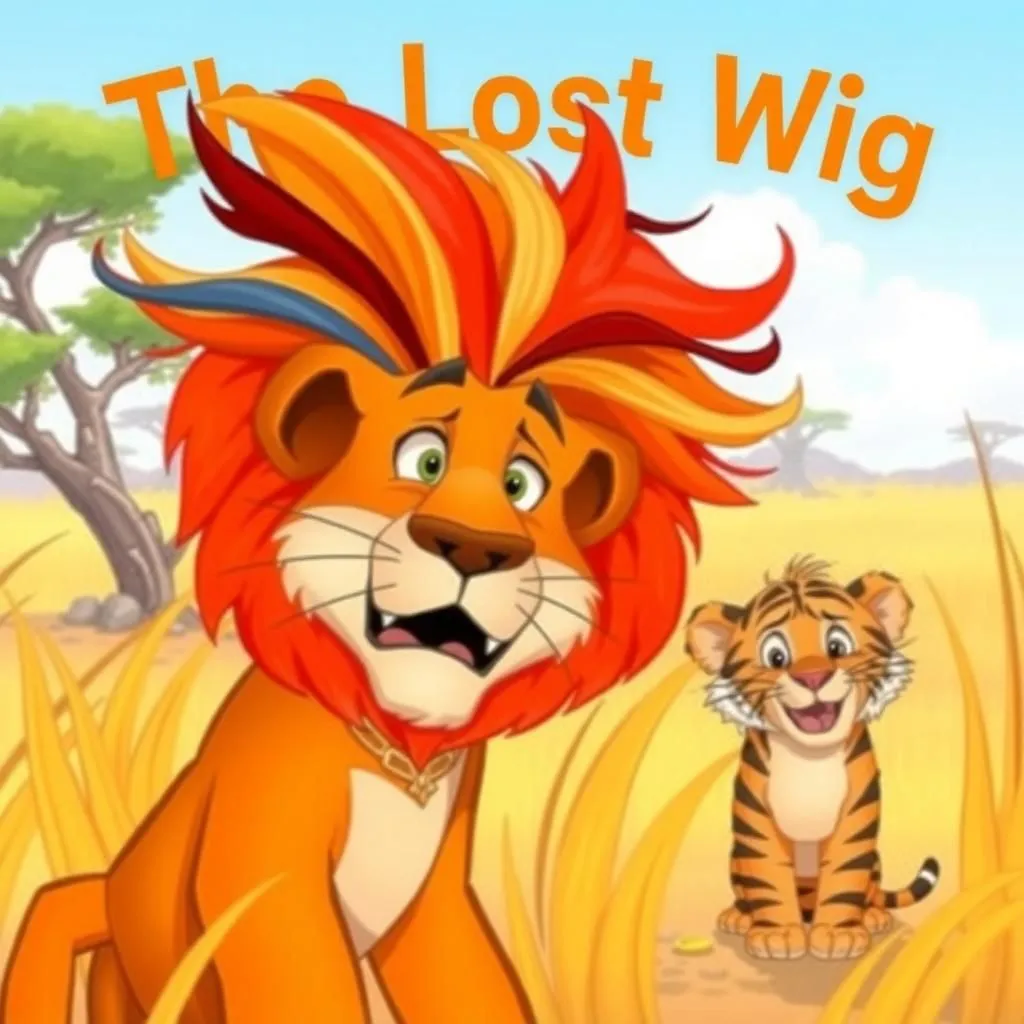
In "The Lost Wig," a humorous old lion, who wears a wig to hide his baldness, tries to impress a tiger sister with a bow on a windy day. When a gust of wind blows his wig away, he feels foolish but cleverly quips about his predicament, showcasing the wit found in many famous moral stories. This short story embodies the charm of small moral stories and famous fables with moral lessons about embracing one's flaws.
Click to reveal the moral of the story
Embrace your imperfections with humor and wit, as they can turn a potentially embarrassing situation into a charming moment.
Historical Context
This story draws on timeless themes found in fables and folk tales, particularly those featuring anthropomorphic animals, which often serve as allegories for human traits and follies. The humorous mishaps of the lion reflect the rich tradition of animal tales in literature, such as Aesop's Fables and the works of La Fontaine, where wit and wisdom emerge from absurd situations, emphasizing the importance of resilience and self-acceptance in the face of embarrassment. This playful narrative also highlights cultural values related to appearance and social interactions, revealing how humor can diffuse tension and promote connection.
Our Editors Opinion
This story highlights the importance of embracing our imperfections and using humor to navigate awkward situations in modern life. For instance, imagine a professional giving a presentation who suddenly experiences a technical glitch; instead of panicking, they could lightheartedly joke about their "technical difficulties" to ease the tension, demonstrating that confidence and wit can turn a potentially embarrassing moment into a memorable one.
You May Also Like

The Citizen and the Snakes
In "The Citizen and the Snakes," a disheartened citizen, frustrated by his failure to secure a national political convention for his city, inadvertently shatters a druggist's show-window filled with snakes. As the reptiles spill into the street, he learns a valuable lesson: even when faced with setbacks, taking action—however unexpected—can still lead to meaningful change. This unique moral story serves as a timeless reminder for students in class 7 that when we can't achieve our primary goals, we should still strive to make a difference in other ways.

The Oak and the Woodcutters
In "The Oak and the Woodcutters," a Mountain Oak laments its fate as it is cut down and split apart by woodcutters wielding wedges made from its own branches. This poignant tale serves as one of the impactful moral stories often shared in childhood, illustrating that the misfortunes caused by one's own actions are the hardest to endure, making it a culturally significant moral story for class 7.

Jupiter and the Monkey
In "Jupiter and the Monkey," a culturally significant moral story, Jupiter promises a reward for the handsomest offspring in the forest. The Monkey proudly presents her ill-featured son, asserting that he is the most beautiful in her eyes, despite the laughter of others. This short and sweet moral story teaches kids that a mother's love transcends appearances, highlighting simple lessons from stories about self-acceptance and inner beauty.
Other names for this story
The Mane Mishap, Wigged Out in the Wind, The Wig That Flew Away, A Lion's Hairy Dilemma, The Great Wig Escape, Bald and Bold, A Wig's Wild Adventure, The Windy Wig Woes
Did You Know?
This story illustrates the theme of self-acceptance and the importance of humor in overcoming embarrassment; despite losing his wig and feeling foolish, the lion's witty response showcases his ability to embrace his situation and maintain his dignity.
Subscribe to Daily Stories
Get a new moral story in your inbox every day.