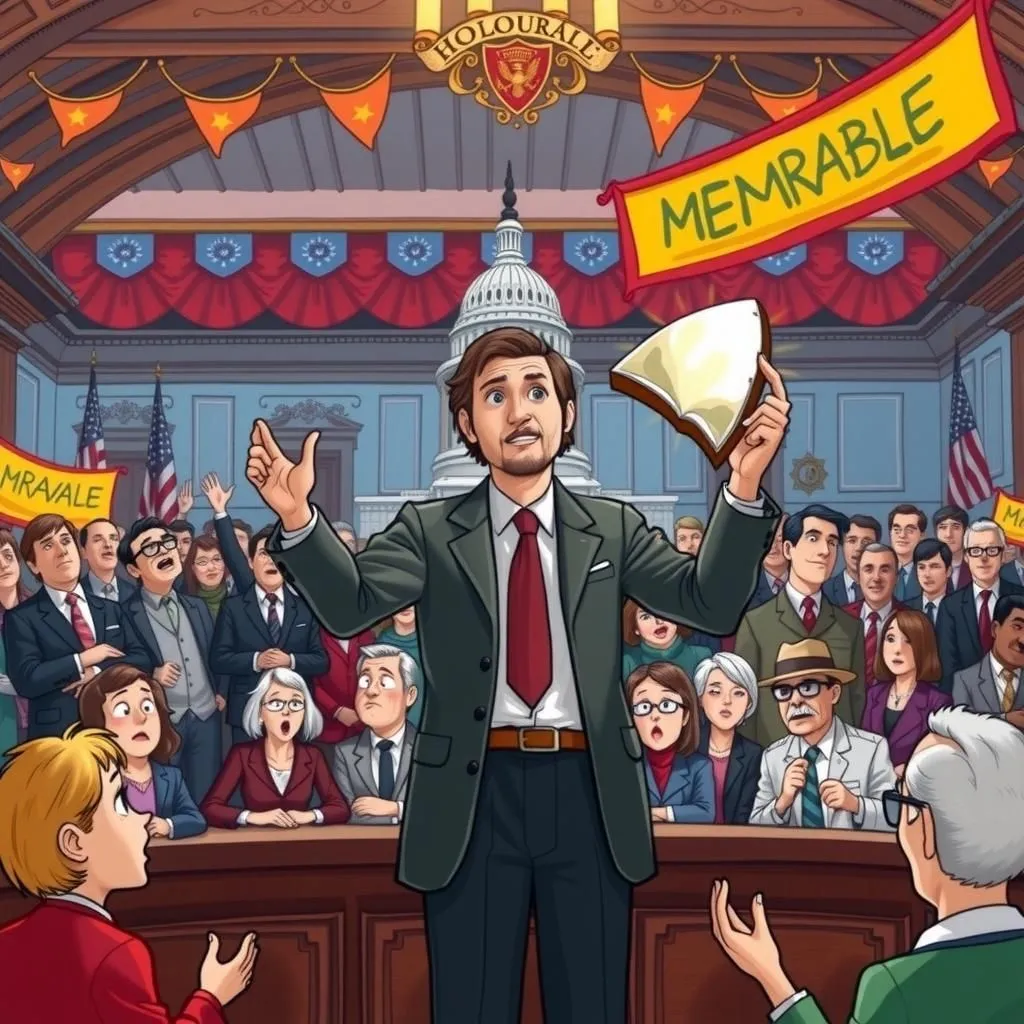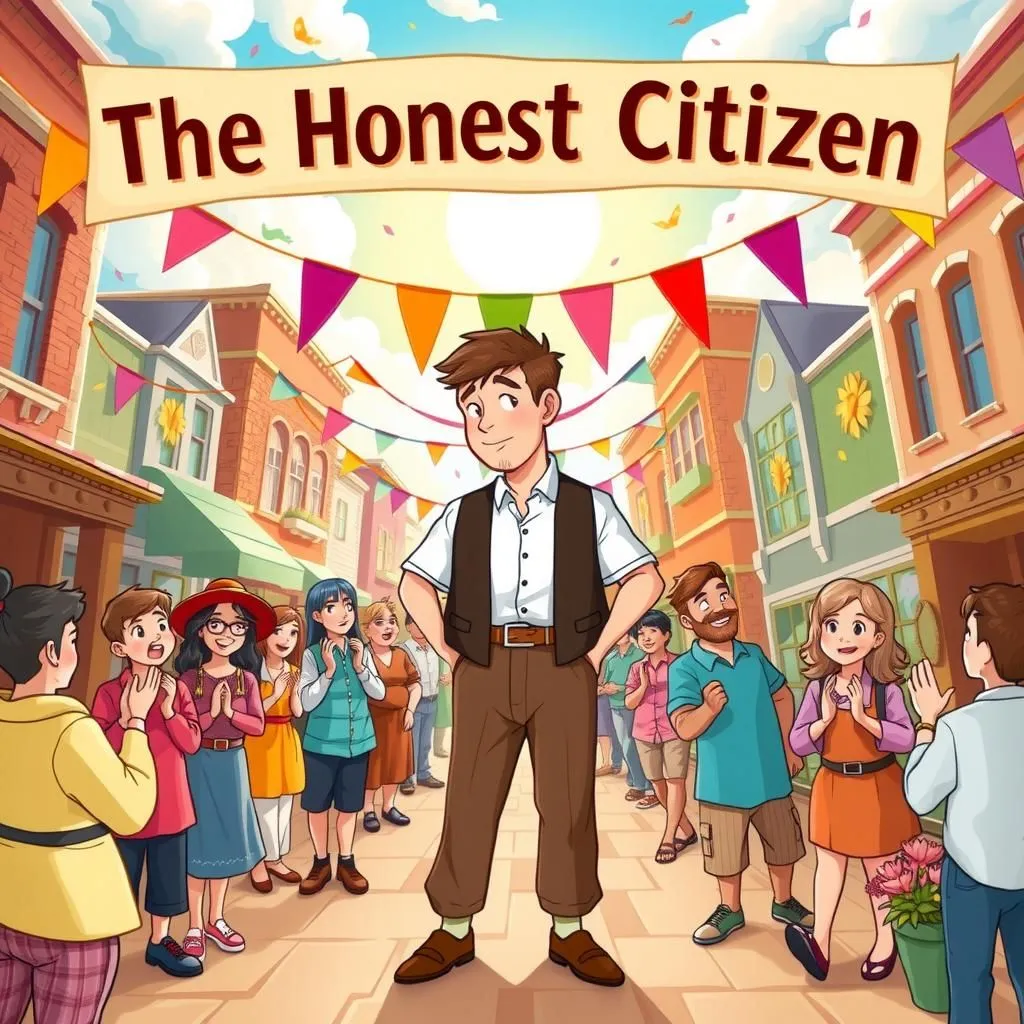
In "The Honest Citizen," a wisdom-packed moral story, a political position is up for sale, but a Truly Good Man refuses to purchase it when he finds the price exceeds his moral limits. The people commend him for his integrity, recognizing him as an honest citizen, while he humbly accepts their praise. This short moral tale serves as a powerful lesson on the importance of staying true to one's principles in the face of temptation.
The moral of the story is that true integrity is demonstrated by refusing to compromise one's values, even when faced with enticing offers.
This story reflects the satirical tradition of political commentary found in literature, particularly in the context of early 20th-century America, where corruption in politics was rampant. It echoes themes from works like Aesop's Fables and the writings of Mark Twain, which critiqued the moral failings of individuals in positions of power and the societal reverence for perceived integrity, emphasizing the tension between personal ethics and political expediency.
This story highlights the importance of integrity and the value of staying true to one's principles in a world where ethical compromises are often tempting. In modern life, a real-life scenario could involve a corporate employee who discovers their company is engaging in unethical practices to boost profits. Despite the potential for personal advancement and financial gain, the employee chooses to report the misconduct, prioritizing integrity over ambition, earning the respect of their peers and the community.

In "The Patriot and the Banker," a former politician, having grown rich from questionable gains, tries to open a bank account but is confronted by an Honest Banker who insists he must repay the money he stole from the government first. Realizing the bank's share of the loss is minimal, the Patriot deposits just a dollar, humorously illustrating the lessons learned from stories about accountability and the often feeble attempts at restitution by those who prioritize wealth over integrity. This funny story with a moral serves as a big moral tale, teaching valuable lessons that can resonate with kids and adults alike.

In "Congress and the People," a simple short story with moral lessons, the impoverished populace laments their losses to successive Congresses, weeping for all that has been taken from them. An Angel observes their sorrow and learns that, despite their despair, they cling to their hope in heaven—something they believe cannot be stripped away. However, this hope is ultimately tested with the arrival of the Congress of 1889, echoing themes found in famous fables with moral teachings about resilience and faith.

In "The Justice and His Accuser," a Supreme Court Justice in Patagascar faces allegations of securing his position through fraud, sparking a thought-provoking moral debate. While the Justice dismisses the significance of his appointment's legitimacy, the Accuser emphasizes that the Justice's misconduct on the Bench is far more critical, illustrating a classic moral lesson about the importance of integrity in leadership. This life-changing story encourages reflection on how power should be wielded responsibly, making it a compelling addition to inspirational short stories with moral lessons.
"Integrity in Politics, The Price of Honesty, A Good Man's Choice, The True Cost of Integrity, Rejecting Corruption, The Value of Honesty, An Honest Decision, The Price of Principle"
This story highlights the theme of integrity and the moral dilemmas individuals face in politics, suggesting that true virtue often involves rejecting corrupt opportunities, even when societal recognition is at stake. The irony lies in how the public's admiration for the Truly Good Man underscores their own complicity in a system that values political gain over ethical principles.
Get a new moral story in your inbox every day.